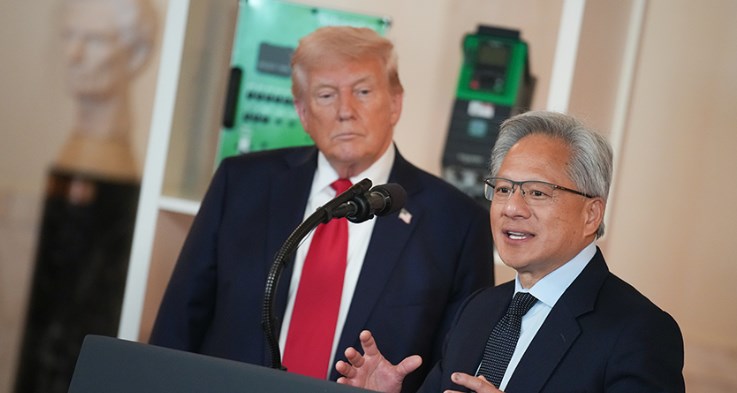
Trump says he could pardon Jensen Huang, but might not be needed – When a sitting president floats the idea of a pardon days before a major corporate chief heads to Capitol Hill, Washington pays close attention. In late November 2026, President Donald Trump kept the door open to pardoning Nvidia CEO Jensen Huang while simultaneously suggesting such a move probably will not be required. Trump says he could pardon Jensen Huang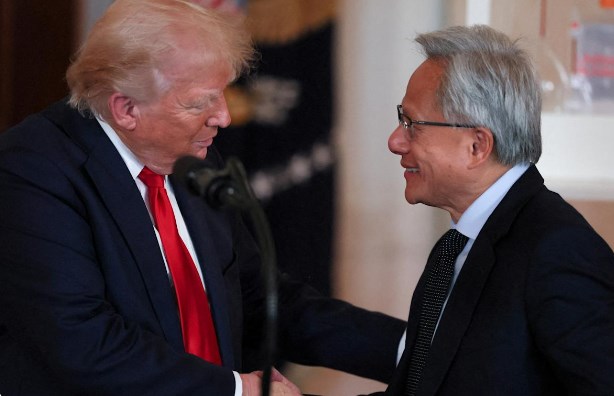
Speaking to the New York Post on November 24, Trump said a pardon is “always an option,” before adding, “But I don’t think it’ll be necessary”. The remark landed just days after Huang returned to the helm of Nvidia following a dramatic boardroom reversal, and right ahead of scheduled appearances before congressional committees.
A Rapid Turnaround at Nvidia
To understand why a pardon even came up in conversation, it helps to trace the whirlwind around Nvidia in November 2026. Scrutiny over Huang’s personal life and alleged connections involving former Megaspeed executive Alice Huang—whom intelligence reports linked to potential ties with Chinese intelligence—triggered corporate upheaval and a brief departure from his role as chief executive.
During the turbulence, Nvidia shares slid, rattling broader tech markets and drawing intense political attention. Then, on Monday, November 23, Nvidia’s board reinstated Huang as president and CEO after Trump personally pressed the board to bring him back.
Trump has defended Huang vocally, calling him “100 percent aboveboard” and a smart leader. In the same interview, the president said he did not believe Huang needed to invoke his Fifth Amendment right against self-incrimination during upcoming congressional questioning, encouraging him instead to tell the truth.
Why Officials Say No Pardon Is Needed
While Trump left the hypothetical option on the table, senior administration figures quickly played down any actual need for clemency. Vice President JD Vance told reporters on November 25 that Huang does not need a pardon at all, noting he had seen no evidence that Huang committed a crime.
Vance said multiple officials across the government and national security apparatus, including Attorney General Todd Blanche, assured him that Huang was under no investigation. Huang has not been indicted or charged with a crime, though scrutiny continues around export control rules, past chip sales, and how the government weighed in on his reinstatement. Trump says he could pardon Jensen Huang
When a reporter pressed Justice Department officials on investigation questions, Blanche pushed back, questioning what crime or probe was even being implied. From the administration’s perspective, floating a pardon as a theoretical option is different from acknowledging legal jeopardy.
Congressional Scrutiny and Market Stakes
Even without criminal charges against Huang, the political fallout is far from settled. Lawmakers from both parties have raised questions about national security vetting, export compliance, and the behind-the-scenes lobbying that led to Huang’s return.
For critics, any hint of a presidential pardon for a prominent CEO—especially when the president holds Nvidia stock and markets swung sharply on the news—raises tough questions about norms, conflicts of interest, and executive power. For supporters, Trump’s backing reflects a pragmatic effort to stabilize a flagship American AI company and keep U.S. technology competitive.
As congressional committees prepare to question Huang, the episode highlights a central tension of modern Washington: when politics, national security, and trillion-dollar tech companies collide, even hypothetical talk of a pardon can become a story of its own. Trump says he could pardon Jensen Huang
About the Author