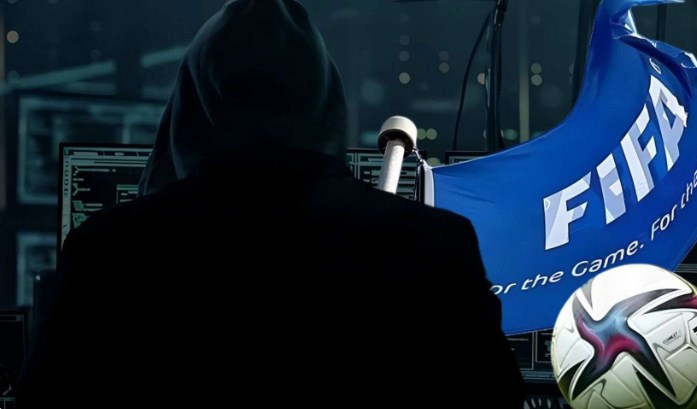
FIFA confirms cyberattack that stole ‘personal and business information’ – Global soccer’s governing body has acknowledged a security breach after an external threat actor gained unauthorized access to internal data. On Thursday, November 26, 2026, FIFA confirmed that it was targeted in a criminal cyberattack that compromised a limited set of personal and business information, prompting coordination with law enforcement and relevant authorities.
The confirmation arrived days after an obscure cybercriminal group claimed online to have stolen more than 12 gigabytes of FIFA files. While FIFA’s statement was brief and deliberately cautious, the incident highlights the growing cyber risks facing major international sports organizations. FIFA confirms cyberattack that stole ‘personal and business information’
What FIFA Confirmed—and What Remains Unclear
In its public statement, FIFA described the intrusion as a criminal cyberattack resulting in unauthorized access to a “limited set of personal and business information”. The organization condemned the unlawful acquisition and publication of data—especially personal records—warning that privacy violations can carry serious consequences for the people involved.
Despite confirming the breach, FIFA left several key details unanswered. The Zurich-based organization did not disclose when the intrusion took place, how long attackers remained inside its systems, or how many individuals and partner entities were affected.
At the same time, reporting pointed to a narrower overall footprint than the headline leak claims might suggest. A person familiar with the matter told Reuters that less than 0.1% of FIFA’s total data holdings were affected, and reports indicated that files tied to the shelved FIFA Forward Enterprise project—an earlier proposal involving a potential outside stake in tournament operations—were not accessed.
Claims From the Hacking Group
The confirmation followed claims made the previous week by a newly surfaced threat group calling itself the Handsome Boy Hacking Club (HBHC). The group posted screenshots on social media, claimed to have broken into FIFA’s Microsoft environment, and alleged that an extortion attempt failed before more than 12 gigabytes—cited in reports at roughly 12 GB to 12.2 GB—of material was posted on a cybercriminal forum.
According to cyber threat reports, the alleged archive purportedly contained identity and immigration records, financial and legal documents, governance files, and management details. However, FIFA has not verified those specific file categories or the size of the stolen cache, and independent security researchers have not publicly confirmed the full contents of the leaked dump.
Some reporting also suggested the intrusion involved human manipulation and impersonation rather than a straightforward technical flaw in core infrastructure. Whether achieved through social engineering, credential compromise, or another entry vector, such attacks often rely on convincing staff or bypassing routine verification steps before investigators detect unusual activity.
Why Personal Data Exposure Matters
Even when a breach affects a small fraction of an organization’s overall archive, exposed personal information creates real risks for affected individuals. Identity documents, contact details, or internal records can be weaponized for targeted phishing, impersonation, financial fraud, or identity theft—especially when attackers combine leaked details with publicly available information about executives, staff, or associates.
For business partners and contractors, leaked commercial or legal records can also create sensitive exposure around negotiations, internal correspondence, or vendor relationships. That is why security specialists often stress strict access controls, multi-factor authentication, and limiting sensitive files to only the employees who genuinely need them. FIFA confirms cyberattack that stole ‘personal and business information’
A Broader Pattern Across Football
FIFA’s disclosure comes amid a string of cyber incidents affecting soccer organizations and leagues. High-profile governing bodies, clubs, and leagues have repeatedly become attractive targets because they manage valuable commercial contracts, travel and accreditation logistics, fan or staff databases, and intense public attention. FIFA confirms cyberattack that stole ‘personal and business information’
For FIFA, the immediate priority is working alongside law enforcement and investigators to contain any lingering exposure, assess which individuals or partners require notification, and prevent further misuse of the accessed files. As investigations continue, the episode serves as a stark reminder that even global institutions with extensive resources face persistent pressure from online extortionists and data thieves.
About the Author