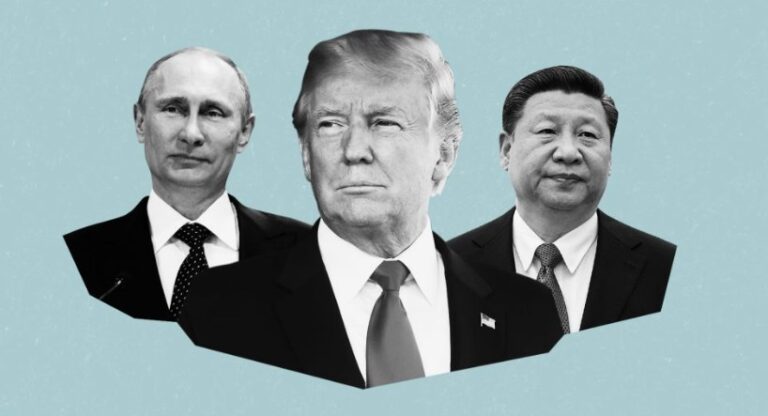
Trump to talk denuclearization, Iran and Ukraine with Putin and Xi – In the world of international diplomacy, summits are usually choreographed down to the last handshake, napkin fold, and talking point. Yet, as Donald Trump, Vladimir Putin, and Xi Jinping prepare to sit down together in Shenzhen on the sidelines of the APEC summit, the air feels less like a polite diplomatic tea party and more like a high-stakes poker game where nobody agreed on the rules beforehand.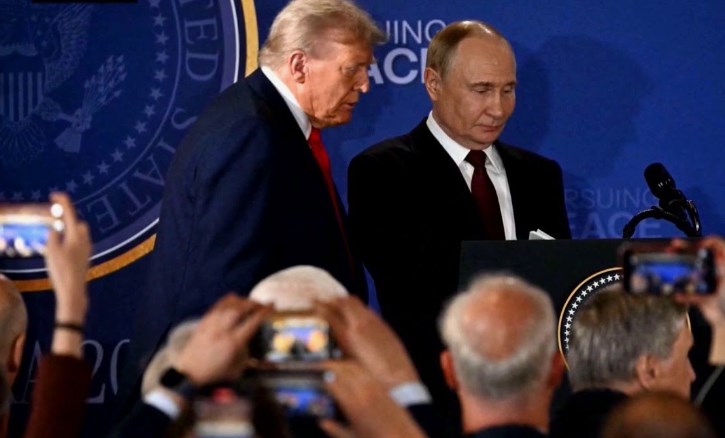
For months, rumors swirled about a historic trilateral meeting among the leaders of the United States, Russia, and China. Now, the reality is here. With the world watching closely, this rare “Big Three” gathering promises to tackle some of the most dangerous flashpoints of our era: nuclear arms control, the ongoing conflict with Iran, and the war in Ukraine. Each leader arrives in southern China with a vastly different agenda, a set of domestic pressures, and a shared desire to reshape the global order on their own terms.
The Push for Denuclearization
At the top of Donald Trump’s wishlist is a word that carries the weight of the entire planet: denuclearization. For years, Washington has watched nervously as the old Cold War arms treaties unraveled and China quietly, yet rapidly, expanded its own nuclear arsenal. Trump has made it clear that any meaningful nuclear arms control deal in the twenty-first century cannot just be a two-way street between Washington and Moscow anymore; Beijing has to be in the room.
Getting Xi Jinping to sign on, however, is easier said than done. China’s stance has remained remarkably consistent: why should Beijing cap its nuclear stockpile when the United States and Russia still possess thousands more warheads? From Beijing’s perspective, entering a reduction agreement now would lock China into permanent strategic inferiority. Meanwhile, Vladimir Putin views Russia’s nuclear capabilities as his ultimate leverage on the world stage, especially as his conventional military remains tied down in Eastern Europe. If these three leaders manage to walk away with even a modest commitment to keep talking about nuclear risk reduction, diplomats will call it a minor miracle. Trump to talk denuclearization
Navigating the Crisis in Iran
While nuclear weapons represent a long-term existential threat, the crisis in Iran is an immediate, burning fire. Facing mounting political pressure at home over the protracted conflict with Tehran, Trump is looking for an off-ramp that allows him to claim a decisive foreign policy victory. Bringing Putin and Xi into the conversation is a calculated gamble.
Both Russia and China hold significant sway in Tehran, though for very different reasons. Moscow has leaned heavily on Iranian drones and military cooperation to sustain its own war efforts, while Beijing remains the primary economic lifeline buying Iranian oil. Trump’s calculation is straightforward: if he can convince Putin and Xi to rein in Tehran or help broker a ceasefire, he solves his biggest Middle Eastern headache. Yet, neither Moscow nor Beijing is eager to do Washington any favors for free. Any cooperation on Iran will almost certainly come with a steep price tag, whether that means easing sanctions on Russia or softening American trade and technology restrictions against China.
The Elephant in the Room: Ukraine
Perhaps the most delicate and controversial topic hanging over the Shenzhen summit is the war in Ukraine. Interestingly, the three leaders do not even agree on whether Ukraine should be on the menu. Vladimir Putin, who originally championed the idea of this three-way summit, sees a golden opportunity. By sitting as an equal alongside the leaders of the world’s two largest economies, Putin immediately breaks out of the diplomatic isolation the West has tried to impose on him since 2022. His goal is to persuade Trump and Xi to back a peace framework that cements Russia’s territorial gains and leaves Ukraine permanently neutral.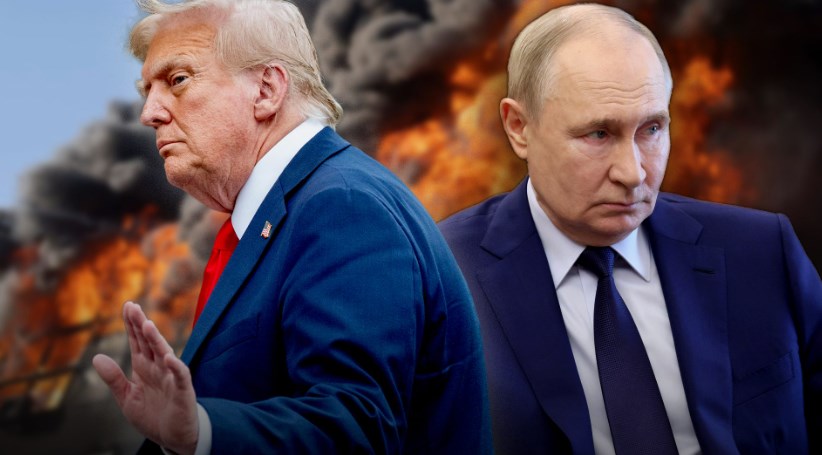
In Kyiv and across European capitals, this prospect has triggered alarm bells. Many observers have drawn uneasy comparisons to the 1945 Yalta Conference, where major powers carved up spheres of influence without consulting the smaller nations caught in the middle. Recognizing the sensitivity, Trump has publicly insisted that Ukraine will not be up for debate in Shenzhen, while European leaders are holding their own parallel summit in Berlin to shore up support for Kyiv. Xi Jinping, too, is reluctant to get dragged into the messy details of a European peace deal, preferring to keep China’s focus on trade and its own neighborhood. Still, when three leaders with this much power gather behind closed doors without a strict agenda, anything can happen.
Three Leaders, Three Survival Strategies
Ultimately, understanding what happens in Shenzhen requires looking at what each man needs to take back home. For Donald Trump, this summit is about projecting strength and deal-making prowess at a moment when domestic controversies and foreign entanglements threaten to bog down his presidency. A breakthrough on Iran or nuclear talks would dominate headlines and shift the narrative.
For Xi Jinping, hosting both the American and Russian presidents on Chinese soil is the ultimate validation of his vision of a multipolar world. Ahead of a crucial Communist Party Congress next year, Xi wants to show his people that China stands shoulder-to-shoulder with—and perhaps even above—the traditional superpowers.
For Vladimir Putin, simply showing up is half the victory. Even if no binding treaties are signed, the optics of a “Big Three” summit reinforce the Kremlin’s favorite message: Russia is an indispensable global power that cannot be ignored or defeated. Trump to talk denuclearization
A Turning Point or Just Theater?
History rarely announces itself neatly, and diplomatic summits are notorious for producing more photo opportunities than actual peace. Because the three leaders entered these talks without a pre-agreed roadmap, expectations for sweeping, ink-on-paper treaties remain understandably low. Trump to talk denuclearization
Yet, in an era defined by fractured alliances, nuclear anxiety, and overlapping wars, simply getting Washington, Moscow, and Beijing into the same room matters. Whether the Shenzhen summit marks the beginning of a pragmatic new era of great-power management or merely serves as a stage for geopolitical theater will depend on whether these three leaders can look past their immediate rivalries long enough to pull the world back from the brink.
For further context on the broader geopolitical dynamics and rhetoric surrounding these leaders’ approach to Russia, China, Iran, and Ukraine, you can watch Trump’s Remarks on Russia, China, Iran, and the Ukraine War, which covers his recent public statements ahead of his Asia diplomatic push.
About the Author