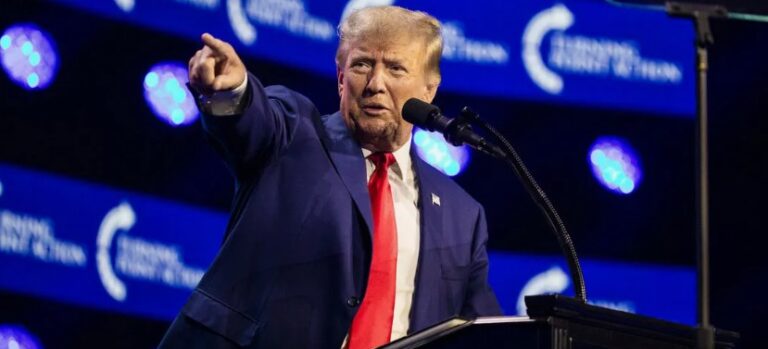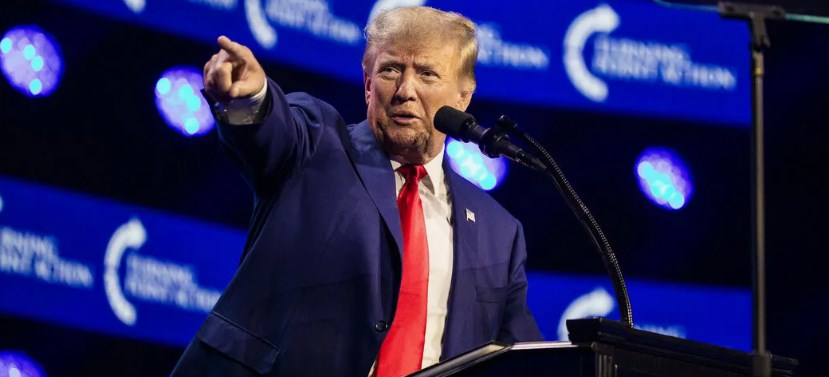
Trump approval rating sinks to new record low in new poll – President Donald Trump is facing another difficult moment as a new national poll shows his approval rating falling to its lowest level since he returned to the White House. The latest Economist/YouGov survey found that only 32% of Americans approve of the job he is doing as president. That represents a four-percentage-point decline from the previous week and places his rating below the earlier second-term low of 33%, recorded in August.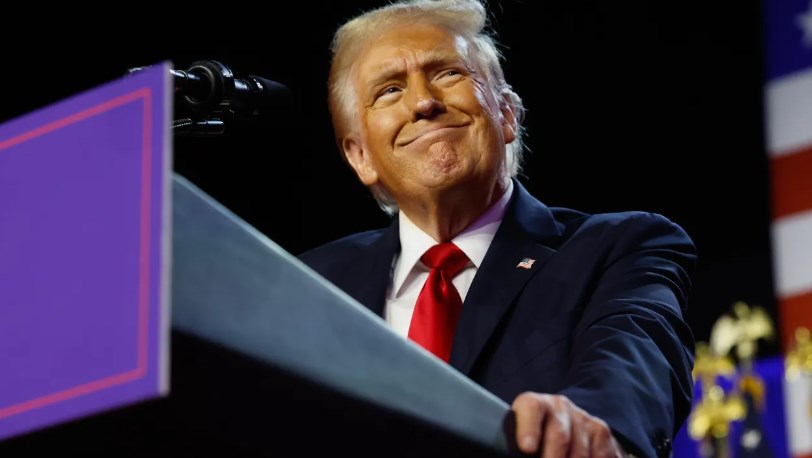
The result highlights growing dissatisfaction with Trump’s leadership at a time when Americans are expressing serious concerns about the economy, rising prices and the direction of the country. Although presidential approval ratings can move from week to week, the latest numbers suggest that the administration is facing a difficult challenge in convincing voters that its policies are improving their everyday lives.
Trump’s Approval Rating Falls to a New Second-Term Low
The Economist/YouGov poll, released on November 12, surveyed 1,685 U.S. citizens between November 9 and 11. It found that 32% approved of Trump’s performance, while a considerably larger share expressed dissatisfaction. The survey’s margin of error was approximately three percentage points, meaning the results should be understood as a snapshot of public opinion rather than an exact measurement of every American’s views.
The decline is particularly significant because Trump’s approval rating had already experienced several difficult periods during his second term. His previous low in this particular poll was 33%, recorded in August. Falling another point below that mark suggests that the political pressure surrounding his presidency has not disappeared, even after months of efforts to promote his administration’s agenda.
Other surveys have also shown that Trump is struggling to maintain broad public support. A Reuters/Ipsos poll conducted from November 6 to 9 found that 32% of Americans approved of his performance, placing him close to his career low of 31% recorded in mid-October. Although the two surveys use different polling methods and should not be treated as identical measurements, both point to a president dealing with substantial public dissatisfaction.
The latest numbers also arrive shortly after the November 3 midterm elections, in which Republicans suffered significant losses. The political consequences of those results could make governing more difficult for Trump, particularly as Democrats prepare to use their strengthened position in Congress to challenge his policies and investigate decisions made by the administration.
Economic Concerns Continue to Weigh on the White House
The economy remains one of the biggest problems for Trump. Many Americans judge a president not only by political promises or major policy announcements but also by what happens to their household budgets. When grocery bills, transportation costs, rent and utility expenses remain high, voters can quickly become frustrated with the administration responsible for managing the country.
The Economist/YouGov survey found that 55% of respondents believed the economy was getting worse rather than better. Expectations about future prices were also troubling. More Americans expected prices to increase over the next year than expected them to fall, suggesting that concerns about affordability remain deeply rooted.
The Reuters/Ipsos survey revealed similar weaknesses. Only 21% of respondents approved of Trump’s handling of the cost of living, while 25% approved of his economic stewardship. Those figures indicate that economic confidence is a particularly difficult area for the president, even among voters who may agree with parts of his broader political agenda.
Rising fuel prices have added another layer of frustration. Higher gasoline and transportation costs can affect almost every part of daily life, from commuting to work to the price of goods delivered to stores. When energy expenses increase, families often have less money available for other necessities, making economic pressure feel immediate and personal.
For the White House, this creates a difficult political situation. Economic indicators and official reports may provide one picture of national performance, but voters frequently base their opinions on their own financial experiences. If households continue to feel squeezed, positive messages from the administration may struggle to change public perceptions. Trump approval rating sinks to new record low in new poll
Foreign Policy and Other Issues Add to Public Frustration
Economic dissatisfaction is not the only issue affecting Trump’s standing. The latest Economist/YouGov survey found that majorities disapproved of his handling of several important subjects, including foreign policy, crime, taxes and government spending. This suggests that public frustration extends beyond a single policy disagreement.
Foreign policy can be especially challenging for any president because international decisions often involve complicated risks and consequences. Military actions, diplomatic relationships and conflicts abroad can influence how Americans view the administration’s judgment. Even voters who support a strong American role in global affairs may question whether particular decisions are necessary or worth their potential costs.
The conflict involving Iran has also become part of the broader political debate. According to the Reuters/Ipsos reporting, the war launched in February has contributed to higher fuel prices and placed additional pressure on household finances. This connection between international developments and domestic expenses makes foreign policy more directly relevant to ordinary Americans.
Immigration remains an area where Trump has retained comparatively stronger support. The Reuters/Ipsos poll found that 38% approved of his immigration approach, higher than his ratings on the cost of living and economic management. Support among Republicans was particularly strong, showing that immigration continues to be an important issue for his political base.
However, stronger performance on one issue may not be enough to offset dissatisfaction elsewhere. Voters consider several aspects of presidential leadership, and weaknesses involving prices, foreign affairs and government spending can influence their overall judgment.
Midterm Election Results Increase Political Pressure
The timing of the latest approval figures makes them especially important. The November 3 midterm elections delivered a major setback for Republicans, with Democrats taking control of both chambers of Congress, according to reporting on the latest Reuters/Ipsos survey. The results demonstrated that public frustration had political consequences beyond opinion polls.
Midterm elections are often treated as a referendum on the party occupying the White House. Voters use the opportunity to express approval or disappointment with the president’s performance, particularly when economic conditions become a major campaign issue. A poor result can weaken the administration’s influence and create new obstacles for its legislative priorities.
With Democrats gaining greater control in Congress, Trump may face stronger resistance when attempting to advance his agenda. Congressional investigations, budget negotiations and disagreements over major legislation could become more difficult. The president will also need to deal with lawmakers who may be more willing to challenge his decisions publicly.
For Republicans, the challenge is not simply explaining the election results. Party leaders must also consider whether voters are becoming dissatisfied with the direction of the administration itself. If concerns about prices and economic security continue, Republican candidates could face additional difficulties in future elections.
At the same time, a low approval rating does not automatically determine what will happen in the next election. Political conditions can change, and voters may respond differently depending on the candidates, campaign messages and issues that dominate the debate. Trump approval rating sinks to new record low in new poll
What the New Poll Means for Trump’s Presidency
The latest approval figures present a clear warning for the Trump administration. A rating of 32% in the Economist/YouGov survey indicates that fewer than one-third of respondents approved of his performance at the time of the poll. While one survey cannot capture every aspect of public opinion, the result adds to a series of measurements showing significant dissatisfaction.
The White House still has opportunities to respond. Improving public confidence may require more than announcing new policies or highlighting political achievements. Americans want to see practical improvements in the cost of living, economic security and other issues that affect their daily routines. Demonstrating progress in these areas could help the president rebuild support among voters who are currently dissatisfied.
Trump’s political challenge is also complicated by the strength of his support among Republicans. His core supporters may remain loyal even when national approval figures decline. However, winning elections and maintaining political influence often require support beyond a committed partisan base. Independent voters and less enthusiastic supporters can become decisive when public opinion shifts.
Ultimately, the new poll reflects a difficult period for Trump’s presidency. Economic anxiety, concerns about foreign policy and the recent Republican election losses have combined to create a challenging political environment. Whether the president can reverse the decline will depend largely on how his administration responds to the issues voters consider most important. For now, the message from the latest survey is difficult to ignore: public confidence is under pressure, and the administration faces a growing task in persuading Americans that the country is moving in the right direction. Trump approval rating sinks to new record low in new poll
About the Author