Google Fitbit Edge launched: 1.34-inch AMOLED Display, ECG Sensor, and 7-day battery – Google is expanding the possibilities of wearable technology with the launch of the Fitbit Edge, a smartwatch-style fitness device designed to combine health monitoring, everyday convenience, and long-lasting battery performance. Featuring a 1.34-inch AMOLED display, an ECG sensor, and a claimed battery life of up to seven days, the Fitbit Edge is positioned as an appealing option for people who want to keep track of their health without constantly worrying about charging their wearable. Google Fitbit Edge launchedx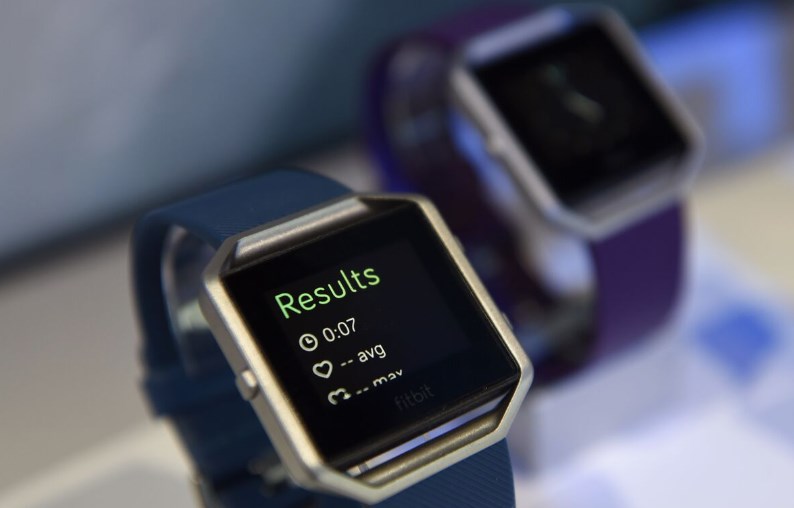
Smartwatches have become increasingly popular because they offer more than simple notifications. Today’s wearables can monitor physical activity, record sleep patterns, track heart rate, and help users develop healthier routines. As consumers become more interested in understanding their bodies and improving their daily habits, devices that combine health-focused features with practical designs are attracting greater attention.
The Fitbit Edge enters this competitive market with a combination of features that address several common priorities. Its AMOLED screen promises a vibrant viewing experience, while the ECG sensor adds a more specialized health-monitoring capability. Meanwhile, the advertised seven-day battery life could appeal to users who prefer spending more time wearing their device and less time charging it.
Although these specifications make the Fitbit Edge interesting on paper, the overall experience will depend on its accuracy, software capabilities, comfort, compatibility, and pricing. Here is a closer look at the features that define this newly launched wearable and what they could mean for everyday users.
A 1.34-Inch AMOLED Display for Clearer Everyday Viewing
One of the main highlights of the Google Fitbit Edge is its 1.34-inch AMOLED display. Screen quality plays an important role in the smartwatch experience because users frequently check their devices for short periods throughout the day. Whether viewing notifications, checking a workout statistic, or looking at the time, a clear and responsive display can make these interactions more convenient.
AMOLED technology is particularly suitable for wearables because individual pixels produce their own light. This allows the screen to display deep blacks and strong contrast, helping text, icons, and other interface elements stand out. AMOLED displays can also provide vivid colors, giving watch faces and fitness information a more attractive appearance.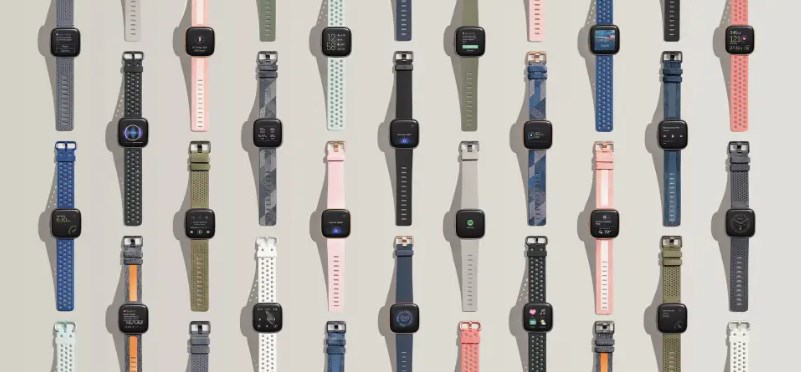
Another potential advantage is power efficiency. Since black pixels can remain switched off, dark interfaces may consume less energy than brighter alternatives, depending on screen brightness, the content displayed, and other settings. This can be useful for a device such as the Fitbit Edge, where display quality and battery endurance need to work together.
The 1.34-inch size also offers a balance between readability and portability. A display that is too small can make notifications and workout information difficult to read, while an excessively large screen may feel uncomfortable on smaller wrists. The Fitbit Edge’s display size should provide enough room for essential information without necessarily making the device feel oversized.
However, screen size alone does not determine display quality. Resolution, maximum brightness, outdoor visibility, touch responsiveness, and the interface design all contribute to the experience. Details about these characteristics will help determine how well the Fitbit Edge performs in different environments.
For everyday users, the most important benefit is straightforward: a good smartwatch display should make information easy to understand at a glance. If the Fitbit Edge combines its AMOLED panel with an intuitive interface, it could offer a pleasant experience during workouts, commutes, and ordinary daily activities.
ECG Sensor Brings Health Monitoring Into Focus
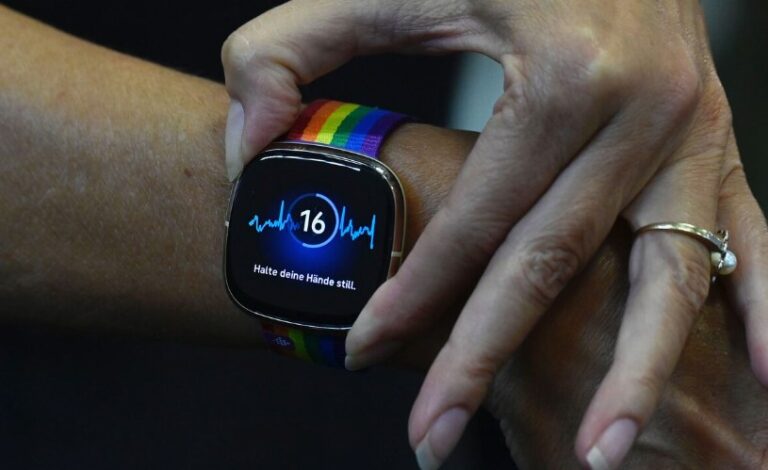
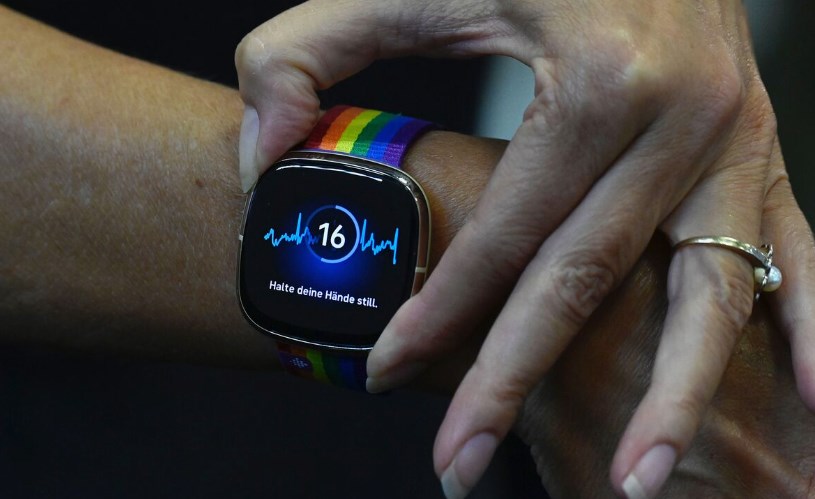
The inclusion of an electrocardiogram, commonly known as an ECG or EKG, is another notable feature of the Fitbit Edge. Unlike a standard optical heart-rate sensor, which estimates heart rate by detecting changes in blood flow, an ECG-capable wearable can record electrical signals associated with the heart’s activity.
This information can help identify certain irregular heart rhythms when the device and its software support the appropriate analysis. For users who want to pay closer attention to their cardiovascular health, the ability to record an ECG using a wearable can be a useful addition to their everyday routine. Google Fitbit Edge launched
Typically, an ECG-capable smartwatch requires the wearer to follow specific instructions, such as placing a finger on a designated sensor or maintaining a particular hand position while the recording takes place. The process generally takes a short period, although the exact procedure depends on the device’s design and software.
It is important to understand that an ECG feature does not turn a smartwatch into a complete medical diagnostic system. The information it provides has limitations, and it cannot detect every heart condition. Users experiencing chest pain, fainting, breathing difficulties, or other concerning symptoms should seek appropriate medical care rather than relying on a wearable reading.
Availability may also depend on regulatory approval and regional support. ECG functions are not necessarily enabled in every country, and certain capabilities may require compatible software or specific device conditions. Buyers should confirm which health features are available in their location before making a purchase.
For the Fitbit Edge, the ECG sensor could be one of its most meaningful features if it is supported by reliable software and clear explanations of its results. Health technology is most useful when it helps people understand their measurements without creating unnecessary confusion or encouraging them to interpret readings without proper medical guidance.
Seven-Day Battery Life Could Reduce Charging Frustration
Battery life is one of the biggest considerations when choosing a smartwatch. Even a device with an excellent display and advanced health sensors can become inconvenient if it needs to be charged every night. The Google Fitbit Edge addresses this concern with an advertised battery life of up to seven days.
If achieved under suitable conditions, that endurance could make the device easier to incorporate into a regular routine. Users may be able to wear it through several days of activity tracking, notifications, and sleep monitoring without searching for a charger every evening. Longer battery life is particularly helpful for sleep tracking. People who charge their watches overnight may miss opportunities to monitor their sleep patterns consistently. A wearable that lasts several days can provide greater flexibility, allowing users to choose charging times that fit their schedules.
However, the seven-day figure should be understood as a maximum claim rather than a guarantee for every user. Battery performance can vary depending on screen brightness, notification frequency, GPS usage, continuous heart-rate monitoring, workout duration, and other settings. Frequent use of demanding features may reduce the time between charges. Google Fitbit Edge launched
ECG measurements and other health-monitoring functions can also influence power consumption, although their individual impact depends on how often they are used. Similarly, an always-on display, if supported, may affect endurance compared with a screen that activates only when needed. The real value of the Fitbit Edge’s battery will become clearer through everyday use. Independent testing can help establish how long it lasts during typical activity tracking, sleep monitoring, and regular notification use.
Nevertheless, a potential seven-day battery life is an attractive selling point. It suggests that the Fitbit Edge is designed to prioritize convenience alongside its health-focused capabilities, making it worth considering for people who dislike frequent charging.
Fitness Tracking and Everyday Smartwatch Convenience
Beyond its screen, ECG sensor, and battery, the overall usefulness of the Fitbit Edge will depend on its fitness-tracking tools and software experience. People use wearables for different reasons, ranging from counting daily steps to recording workouts and developing more consistent sleep habits.
A useful fitness wearable should present information in a way that encourages users to understand their activity levels. Step counts, workout duration, heart-rate measurements, and other supported statistics can help people recognize patterns and set realistic goals. Over time, these insights may make it easier to maintain an active lifestyle.
Sleep tracking is another feature that many wearable users value. Consistent sleep information can help people notice changes in their routines, although smartwatch estimates should not be treated as a replacement for clinical sleep assessments. The accuracy and availability of particular measurements depend on the sensors and software supported by the device.
Smartwatch convenience also extends beyond exercise. Notifications can help users stay informed about incoming calls, messages, and reminders without repeatedly reaching for their phones. Depending on its confirmed capabilities, a wearable may also provide access to timers, alarms, calendar information, and other everyday tools.
Software integration will be especially important for the Fitbit Edge. Users need a straightforward way to review their health statistics, understand their progress, and manage device settings. Compatibility with smartphones and the availability of features across different operating systems can also influence whether the device is suitable for a particular buyer.
Because the Fitbit Edge’s complete feature list and compatibility details should be confirmed through official product information, buyers should avoid assuming that every feature available on other Fitbit devices will automatically be included. GPS functionality, contactless payments, advanced workout metrics, and other premium capabilities should be checked individually.
Is the Google Fitbit Edge Worth Considering?
The Google Fitbit Edge brings together three headline specifications that address important smartwatch priorities: a 1.34-inch AMOLED display, an ECG sensor, and a claimed battery life of up to seven days. Together, these features suggest a wearable designed to make health information easier to access while remaining convenient for everyday use.
The AMOLED display could provide a clear, colorful interface, while ECG functionality may appeal to users interested in compatible heart-rhythm monitoring. The advertised battery endurance is another advantage for anyone who wants to track activity and sleep without charging their wearable every day.
However, specifications tell only part of the story. Pricing, build quality, comfort, software support, sensor accuracy, smartphone compatibility, and the availability of health features will all influence the Fitbit Edge’s value. Buyers should also look for confirmation of its supported workout modes, water resistance, connectivity options, and long-term software support.
It is equally important to distinguish between announced specifications and independently verified performance. The advertised battery life, for example, may differ from real-world results, while the practical value of the ECG sensor depends on how accurately and reliably it functions under supported conditions.
Ultimately, the Google Fitbit Edge could be an appealing option for consumers who want a health-focused wearable with a quality display and potentially strong battery endurance. Its success will depend on whether the complete package delivers a reliable, comfortable, and easy-to-use experience at a competitive price.
For now, its headline features make it a device worth watching in the wearable market. If Google delivers on its promises and supports the Fitbit Edge with useful software and dependable health-monitoring tools, it could offer an attractive combination of fitness tracking, everyday convenience, and battery life for people looking to make smarter use of wearable technology.
About the Author