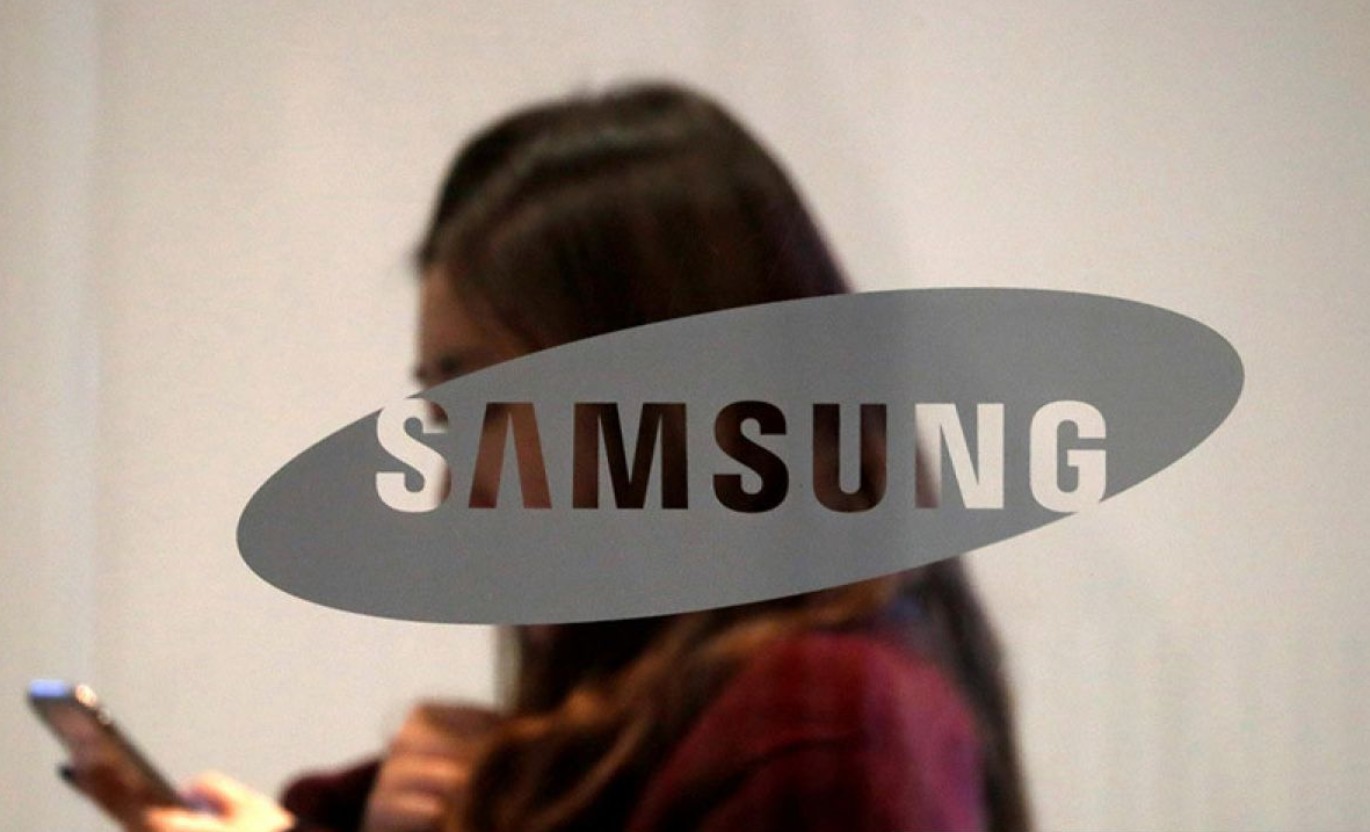
A $16 billion headache awaits the guardians of Samsung’s Galaxy. – The mobile division of Samsung has been struggling lately. It’s not because people no longer want to purchase its phones. Simply put, margins have vanished due to the high cost of the components utilized in them, especially memory chips.
The Samsung mobile division may disclose yearly losses for the next three years as a result, according to a recent estimate from Samsung Securities.
According to Samsung Securities, the company’s mobile and networks division might report an operational loss in 2026 of 5.841 trillion won, or about $3.85 billion. When the division’s operational loss is predicted to reach 15.209 trillion won, or about $10 billion, in 2027, it might get even worse.
At this rate, Samsung’s mobile business will report an annual operational loss greater than the $9.88 billion loss recorded by the company’s DS division in 2023, when the semiconductor downturn was at its worst.
The suffering won’t stop there. Additionally, Samsung’s mobile division is predicted to report an operational deficit of 3.237 trillion won, or $2.1 billion, in 2028. As a result, the total operational loss from 2026 to 2028 would reach an astounding 24.287 trillion won, or little more than $16 billion.
Without delving too far into corporate accounting, operating loss is different from net loss in that the former simply quantifies the deficit from core business operations, which is determined by deducting operating expenses from gross profit. To get a more comprehensive “bottom line” figure, net loss accounts for all other costs and revenues.
Samsung releases combined financial results for its networks and mobile divisions, with the mobile business generating between 96 and 98% of the total income. The mobile business also accounts for the majority of the two divisions’ operating profit.
Never before has Samsung’s mobile division experienced such severe financial difficulties. In the third quarter of 2026, the division reported an operational profit of 100 billion won, or $66 million, despite the Galaxy Note 7 debacle that damaged its brand image.
The unquenchable need for AI has caused memory chip costs to soar. Consumer electronics have suffered greatly as a result. According to some estimates, memory chips made up 40% of the cost of manufacturing a smartphone by the second quarter of 2026, compared to about 14% in the first quarter of 2025.
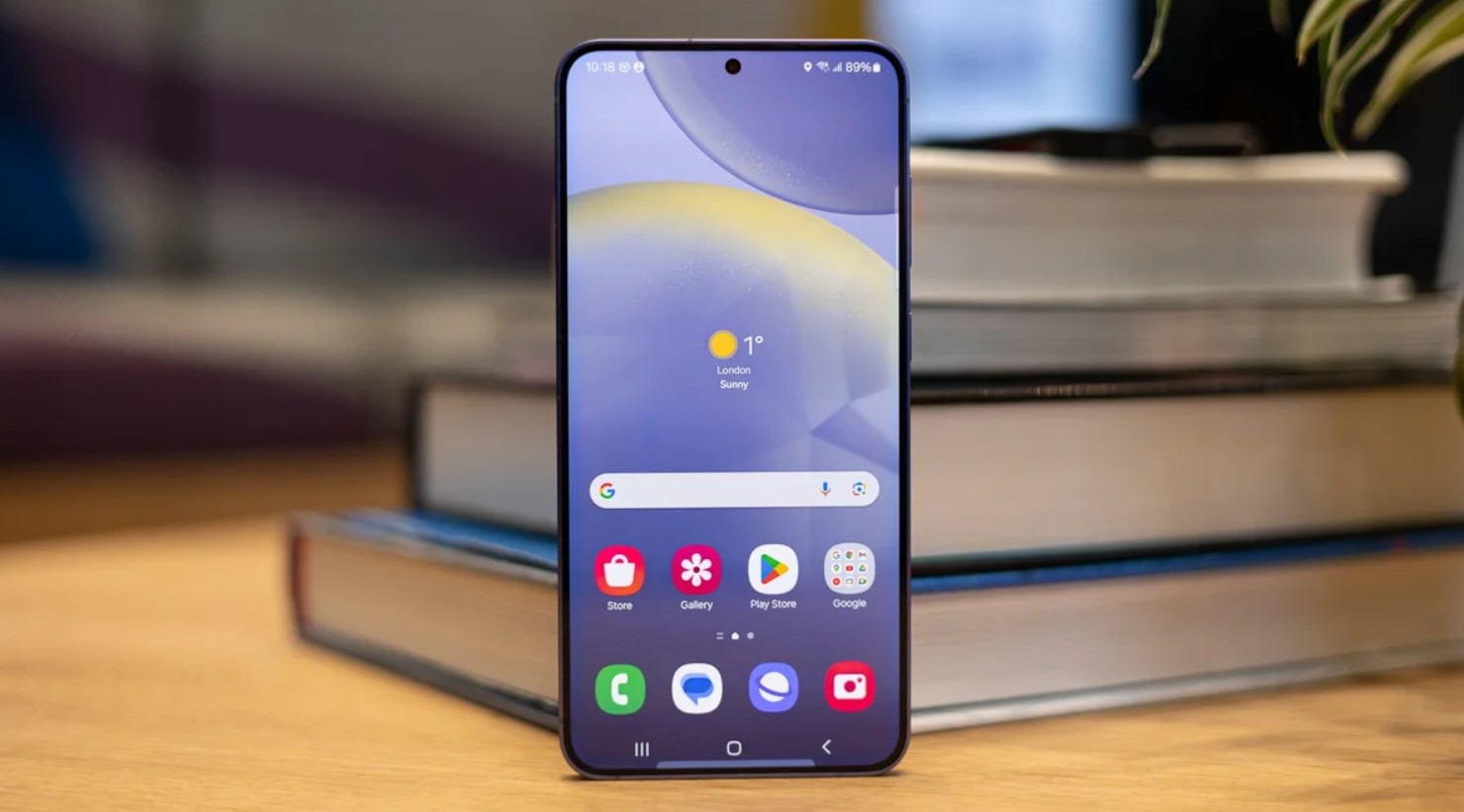
This is before producers like Samsung take into consideration other parts that have also increased in cost, such as chipsets, batteries, screens, cameras, production costs, marketing, sales, R&D, etc.
It is not anticipated that things will get better very soon. It is anticipated that memory chips would be scarce throughout 2027 and potentially into 2028, and that costs will probably rise much more. There is only so much room to raise the price of a Galaxy handset without destroying demand, so Samsung’s mobile division has limited options to weather this storm.
Before this, smartphone replacement cycles were already getting longer. People were keeping their phones longer, especially flagship models. When fewer people are purchasing new phones annually, raising costs dramatically will inevitably lead to lower sales.
Samsung’s semiconductor division is laughing all the way to the bank while the company’s mobile division is dealing with one of the worst market situations it has ever experienced. Selling memory chips at unprecedentedly high prices, even to the company’s own mobile division, it is one of the leading companies in the worldwide memory industry.
It was therefore not shocking to see that Samsung Electronics made 171 trillion won, or $113.1 billion, in revenue and $59 billion in operating profit for the second quarter of this year, despite the poor performance of its mobile division. This is mostly due to the fact that sales of its memory chips are skyrocketing.
Samsung has given its chip division employees bonuses totaling about $26.6 billion. An average bonus of $339,000 has been given to each employee in that division. Some people receive bonuses that are multiple times their yearly pay.
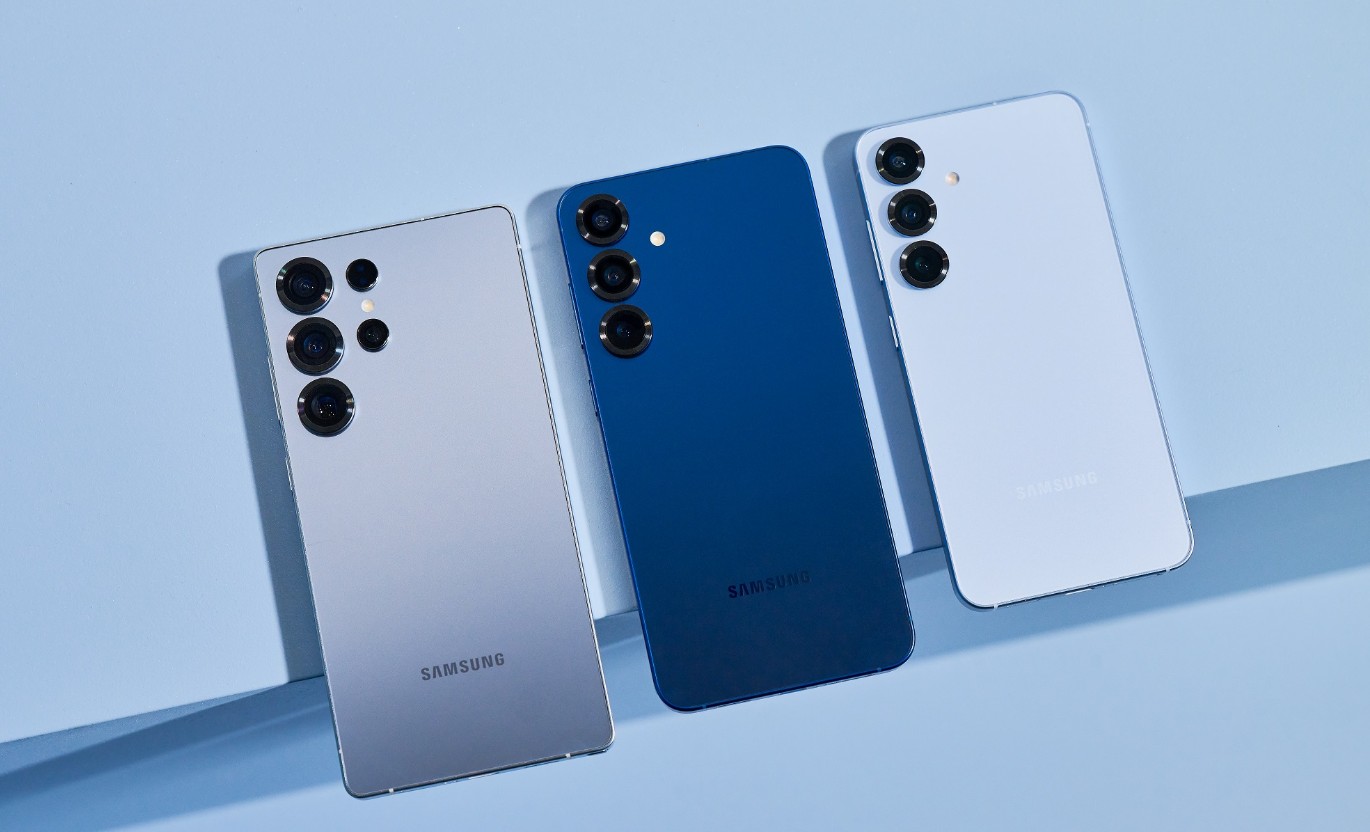
Drama between the semiconductor and mobile sectors has, of course, resulted from this. The mobile division’s employees weren’t overly thrilled to see certain employees receiving sums of money that could change their lives as their division struggles to produce a profit, mostly since it’s the division that’s preventing them from making a profit on their devices in the first place.
The upcoming years will be extremely difficult for the protectors of Samsung’s Galaxy. Even while the organization as a whole benefits greatly from the memory shortage, they will still face difficulties. Beyond 2028, things might get better, but even that depends on new memory supplies becoming available and demand decreasing.
Samsung Electronics will prosper, and its mobile division will endure and not be in danger of going out of business. The following three years will be excruciatingly awful.
Read Also:
- Everybody is so freaked out over Microsoft’s revealed AI Windows. They are not supposed to be.
- Do you think you owned your PlayStation games? Think again.
- Looking to cancel PlayStation Plus? Sony could send you a proposition.
- Snapdragon, or Exynos? The Galaxy S27 Pro’s chipset could have been leaked.
- Xbox suffers as Microsoft slashes 4,800 jobs.
About the Author