Hegseth directs DOD to drop hundreds of faiths from recognized religion list
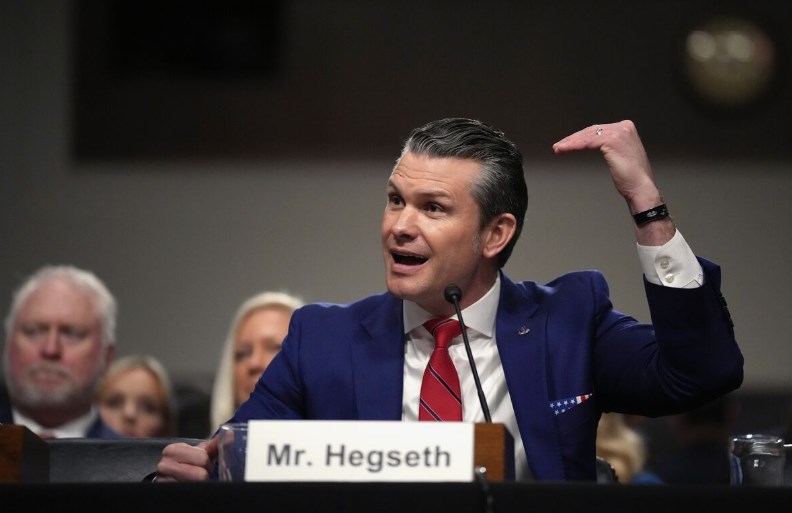
Hegseth directs DOD to drop hundreds of faiths from recognized religion list – A major policy change at the U.S. Department of Defense is drawing attention across military communities, faith organizations, and civil liberties groups after Defense Secretary Pete Hegseth reportedly directed the Pentagon to significantly reduce the number of religions officially recognized within military administrative systems.
The move, which would remove hundreds of faith traditions from the Defense Department’s recognized religion database, has ignited a broader discussion about religious freedom, military inclusivity, and how the armed forces accommodate the diverse beliefs of service members. While Pentagon officials say the change is aimed at simplifying military records and standardizing religious classifications, critics argue that it could leave many service members feeling overlooked or excluded.
A Significant Shift in Military Religious Policy
For decades, the U.S. military has maintained an extensive list of religious affiliations that service members can select when entering the armed forces or updating personnel records. The database includes major world religions such as Christianity, Islam, Judaism, Buddhism, and Hinduism, but it also contains hundreds of smaller denominations, spiritual traditions, and faith communities. These categories have helped military officials provide appropriate chaplain services, dietary accommodations, burial arrangements, and religious support programs.
Under the new directive, many of these smaller classifications would reportedly be consolidated into broader categories or removed entirely from official administrative records. Supporters of the move say the current system has become overly complicated, containing numerous entries that are rarely selected and difficult to manage. According to those backing the policy, streamlining the list would reduce administrative burdens while still allowing service members to practice their faith freely. However, opponents argue that religious identity is deeply personal and that reducing recognition could have consequences that extend beyond simple paperwork.
Why the Religion List Matters
At first glance, a database of religious affiliations might seem like a minor administrative tool. In reality, it plays an important role in military life. A service member’s listed religion can affect several aspects of their experience, including access to religious counseling, ceremonial observances, dietary accommodations, and end-of-life arrangements. Military chaplains often rely on these records to understand the spiritual needs of personnel under their care. During deployments, disasters, or combat situations, accurate religious information can help ensure that service members receive support aligned with their beliefs.
For many troops, having their faith officially recognized also serves as a symbolic affirmation that their identity is respected within the institution. That is why the proposed changes have generated concern among members of smaller religious communities. Critics say that reducing the number of recognized faiths may unintentionally signal that some beliefs are less valued than others.
Supporters Cite Efficiency and Practicality
Those defending Hegseth’s decision emphasize that the directive does not prohibit anyone from practicing their religion. Instead, they argue that the military can continue to provide accommodations through broader religious categories without maintaining an enormous database containing hundreds of specific designations. Supporters note that many government systems already use consolidated classifications for demographic and administrative purposes. Hegseth directs DOD to drop hundreds of faiths from recognized religion list
From this perspective, the Pentagon’s religious records should function primarily as an organizational tool rather than a comprehensive catalog of every spiritual tradition. Advocates of the change also point to the practical challenges of maintaining a constantly expanding list. As new religious movements emerge and additional groups seek recognition, administrative systems can become increasingly complex. Simplifying the database, they argue, could make recordkeeping more efficient while preserving constitutional protections for religious freedom.
Critics Fear Reduced Visibility
Despite those assurances, many faith leaders and advocacy groups remain uneasy. Their concern is not necessarily that service members will lose the right to worship, but rather that smaller communities could lose visibility within the military system. Religious minorities have spent decades working to ensure equal treatment in institutions traditionally dominated by larger faith groups.
For some, official recognition represents an important acknowledgment that diverse beliefs exist within the ranks. If a service member can no longer identify with a specific faith category, critics say, it may become harder for military leaders to accurately assess religious diversity and provide tailored support. Some organizations also worry that removing classifications could complicate requests for accommodations tied to particular traditions. Even if broad protections remain in place, they argue that the absence of specific recognition could create uncertainty.
Broader Cultural Context
The debate arrives at a time when questions surrounding religion, identity, and diversity have become increasingly prominent in American public life. Across government agencies, schools, and workplaces, policymakers continue to wrestle with balancing administrative simplicity against the desire to recognize individual identities. Within the military, these discussions often carry additional weight because service members come from a wide range of backgrounds while operating within a highly structured institution.
The Pentagon has historically sought to accommodate religious diversity while maintaining operational readiness. Over the years, the military has approved various religious accommodations, including exemptions related to grooming standards, clothing requirements, and dietary practices. Because of that history, some observers see the current controversy as part of a larger conversation about how inclusive military institutions should be.
Reactions From Faith Communities
Responses from religious organizations have been mixed. Some larger faith groups have expressed confidence that the change will have little practical impact on worship rights. Others have urged the Pentagon to proceed cautiously and consult with affected communities before implementing any major revisions. Leaders representing minority faiths have been among the most vocal critics. Hegseth directs DOD to drop hundreds of faiths from recognized religion list
Many argue that even symbolic recognition matters, especially for service members who may already feel isolated because of their beliefs. Several advocacy organizations have called for greater transparency regarding which faith groups would be removed and how the revised system would operate. They are also seeking assurances that chaplain support, accommodation requests, and religious protections will remain unaffected.
What Happens Next?
The long-term impact of the policy remains uncertain. Much will depend on how the Pentagon implements the directive and whether additional guidance accompanies the changes. Military officials may face pressure from lawmakers, veterans’ groups, and religious organizations to clarify the purpose of the revisions and address concerns about inclusivity.
Legal experts note that the U.S. Constitution provides strong protections for religious freedom, including within the armed forces. As a result, any administrative changes would still need to operate within established constitutional and legal frameworks. For now, the discussion reflects a familiar challenge facing large institutions: how to balance efficiency with representation. Hegseth directs DOD to drop hundreds of faiths from recognized religion list
A Debate Larger Than a Database
Although the controversy centers on a military recordkeeping system, the debate reaches far beyond administrative forms. At its core, the issue raises questions about recognition, identity, and belonging. For supporters, the directive represents a practical effort to modernize and simplify Pentagon operations. For critics, it risks diminishing the visibility of smaller faith communities that have worked hard to secure equal recognition within the military.
As discussions continue, one thing is clear: the conversation is not simply about reducing a list of religious categories. It is about how one of the nation’s largest institutions acknowledges the diverse beliefs of the people who serve within it. Whether the policy ultimately strengthens efficiency, weakens representation, or achieves a balance between the two will depend on how the Pentagon moves forward—and how service members themselves respond to the changes. Hegseth directs DOD to drop hundreds of faiths from recognized religion list
About the Author