Trump administration dismantles key ocean observation network
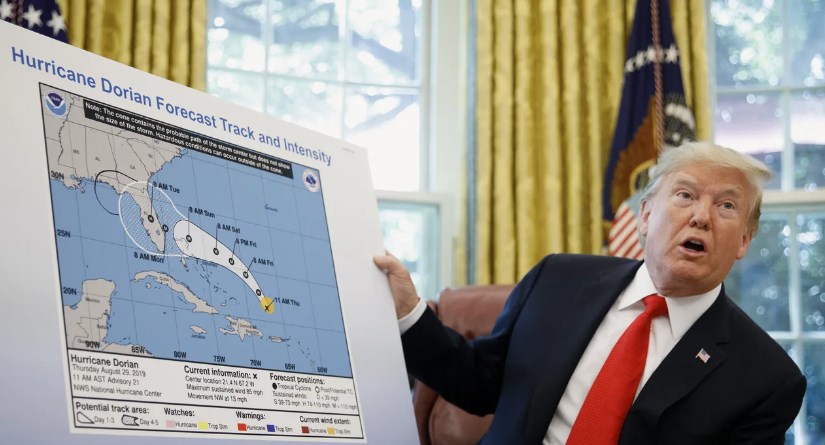
Trump administration dismantles key ocean observation network – The Trump administration’s decision to dismantle a major ocean observation network has sparked concern among scientists, environmental advocates, and weather experts who warn that the move could have far-reaching consequences for climate monitoring, marine research, and public safety. The network, which has played a critical role in collecting ocean data for decades, provides essential information used to forecast weather, track hurricanes, monitor climate change, and support commercial industries that depend on accurate marine conditions.
The announcement marks another significant shift in federal environmental policy and has renewed debate over the importance of scientific infrastructure in understanding a rapidly changing planet. While administration officials argue that budget reductions and government streamlining efforts are necessary, critics contend that cutting such a vital system could leave researchers and policymakers operating with less information at a time when environmental challenges are becoming increasingly complex.
A Silent Backbone of Ocean Science
For many Americans, ocean observation networks operate largely out of sight and out of mind. Yet these systems serve as one of the most important tools for understanding what is happening across vast stretches of the world’s oceans. The network consists of an array of monitoring equipment, including floating buoys, underwater sensors, research stations, and satellite-linked instruments. Together, they gather data on sea surface temperatures, ocean currents, salinity levels, wave heights, and atmospheric conditions. Scientists use this information to build models that help predict everything from hurricane intensity to long-term climate trends.
The collected data is also critical for shipping companies, fishing industries, offshore energy operations, and coastal communities. By providing real-time insights into ocean conditions, the network helps improve navigation safety and supports economic activities worth billions of dollars annually. Researchers say the value of these observations extends well beyond environmental monitoring. Ocean data often serves as an early warning system for extreme weather events, allowing authorities to make better-informed decisions during emergencies. Trump administration dismantles key ocean observation network
Why the Network Matters
Oceans cover more than 70 percent of Earth’s surface and play a central role in regulating global climate. They absorb vast amounts of heat and carbon dioxide, making them a crucial buffer against the effects of global warming. Without consistent observations, scientists warn that understanding these processes becomes significantly more difficult. Accurate ocean measurements contribute directly to weather forecasting models used by meteorologists across the country. Temperature changes in the ocean can influence rainfall patterns, drought conditions, storm development, and seasonal weather outlooks.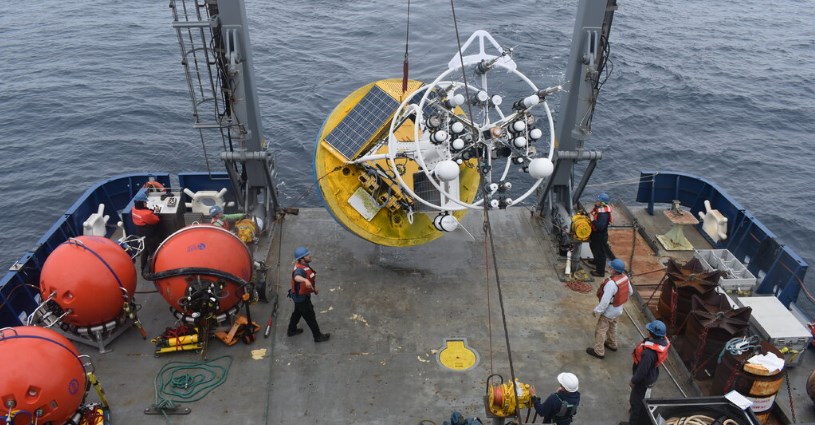
Hurricane forecasting, in particular, relies heavily on ocean data. Warm ocean waters often fuel tropical storms and hurricanes, and forecasters depend on real-time information to estimate how powerful these systems may become. Experts fear that gaps in observation coverage could reduce forecast accuracy, potentially affecting emergency preparedness efforts for coastal regions. “Every piece of data matters,” many climate researchers have emphasized in response to the decision. Ocean observations provide critical context that cannot easily be replaced once monitoring stations are removed or allowed to fall into disrepair.
Budget Pressures and Policy Priorities
Administration officials have framed the dismantling effort as part of a broader initiative aimed at reducing federal spending and eliminating programs considered nonessential. Supporters of the decision argue that technological advancements, including private-sector satellite services and alternative data sources, may compensate for some of the capabilities lost through the network’s reduction. They also point to fiscal challenges facing federal agencies and argue that difficult choices must be made regarding resource allocation.
However, many scientists dispute the idea that existing alternatives can fully replace the comprehensive data collected by dedicated ocean observation systems. While satellite technology has become increasingly sophisticated, researchers note that satellites cannot measure every variable with the same precision as in-water instruments. Many important observations still require direct physical measurements taken from buoys, underwater sensors, and research platforms. Critics argue that replacing a long-established network would likely cost far more than maintaining it. Trump administration dismantles key ocean observation network
Scientific Community Pushes Back
The reaction from the scientific community has been swift and largely critical. Oceanographers, climatologists, and environmental organizations have warned that dismantling the network risks creating significant gaps in long-term datasets that researchers depend on to identify environmental trends. One of the greatest concerns involves continuity. Scientific records become more valuable as they grow longer because they allow experts to distinguish temporary fluctuations from meaningful long-term changes.
When monitoring systems are interrupted, valuable historical comparisons can become more difficult. Researchers studying climate change say uninterrupted ocean observations are particularly important because oceans have absorbed most of the excess heat generated by greenhouse gas emissions. Understanding where that heat is stored and how it moves through marine ecosystems remains a major focus of climate science.
Scientists fear that losing observation points could weaken the nation’s ability to track these developments accurately. Many academic institutions have also expressed concern that future generations of researchers may face limitations in studying ocean health, fisheries, coral reef ecosystems, and changing weather patterns.
Impacts on Coastal Communities
Beyond scientific research, the dismantling of the network could have practical implications for millions of Americans living near coastlines. Coastal communities depend on accurate forecasts to prepare for storms, flooding events, and dangerous ocean conditions. Local governments often rely on ocean observation data when making decisions about evacuations, infrastructure planning, and disaster response.
Fishermen and commercial shipping operators also use ocean information daily. Changes in currents, temperatures, and wave conditions can influence both safety and profitability. Marine industries have increasingly integrated real-time environmental data into their operations. Reduced access to high-quality observations could create new challenges for businesses that depend on accurate forecasts.
Tourism economies may also feel indirect effects if forecasting capabilities become less reliable during hurricane season or periods of severe weather. For many stakeholders, the issue is not simply scientific—it is economic and public safety related.
Global Implications
The United States plays a significant role in international ocean monitoring efforts. Data collected through American observation systems is often shared with global scientific networks and weather agencies. As climate change and extreme weather events become increasingly international concerns, collaboration among countries has become more important than ever.
Scientists note that ocean currents, atmospheric systems, and climate patterns do not recognize national borders. Information gathered in one region often contributes to forecasts and research efforts around the world. The reduction of a major U.S. observation network could therefore have implications extending beyond American waters. International researchers have expressed concern that fewer observations may affect global climate models and forecasting systems that depend on comprehensive datasets from multiple nations. Trump administration dismantles key ocean observation network
Looking Ahead
The future of the ocean observation network remains uncertain. Researchers, environmental groups, and some lawmakers are expected to continue pushing for funding restoration or alternative solutions that preserve key monitoring capabilities. Some experts hope partnerships involving universities, nonprofit organizations, and private-sector stakeholders could help fill certain gaps. However, many acknowledge that replacing federal infrastructure on a large scale would be an enormous challenge.
The controversy highlights a broader debate about how governments balance budget priorities with long-term scientific investment. While the financial savings from reducing monitoring programs may appear immediate, critics argue that the costs of losing critical environmental information could become apparent only years later. As climate-related challenges continue to intensify and coastal populations grow, the demand for accurate ocean data is likely to increase rather than diminish. Whether the dismantling of this observation network proves to be a temporary setback or a lasting transformation in U.S. environmental monitoring remains to be seen.
For now, many scientists are left with a simple concern: in a world where understanding the oceans is more important than ever, collecting less information may leave everyone navigating with a less complete map of the future. Trump administration dismantles key ocean observation network
About the Author