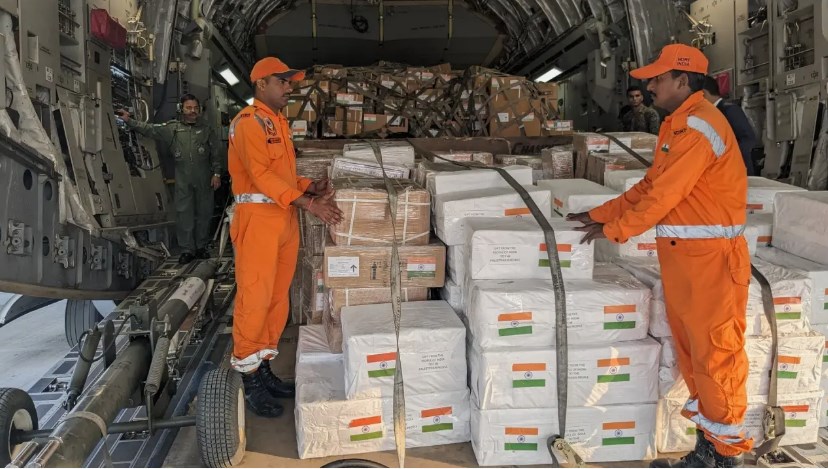
War in the Middle East hits humanitarian aid supply chains – As conflict continues to escalate across parts of the Middle East, one of the most devastating consequences is unfolding far from the front lines. Beyond the headlines about military operations and political tensions, humanitarian aid organizations are facing enormous challenges in delivering food, medicine, clean water, and emergency supplies to millions of civilians caught in the crisis.
The war has severely disrupted humanitarian aid supply chains, creating bottlenecks that delay life-saving assistance and leaving vulnerable populations increasingly exposed to hunger, disease, and displacement. For aid groups working in some of the world’s most fragile environments, the situation has become a race against time.
A Growing Humanitarian Emergency
The Middle East has long been a region where humanitarian organizations operate under difficult conditions. However, the latest wave of conflict has pushed already strained systems to their limits. Across affected areas, entire communities have been displaced from their homes. Families have fled bombardments, seeking safety in overcrowded shelters, schools, or temporary camps. Many have left behind their possessions, livelihoods, and access to basic services.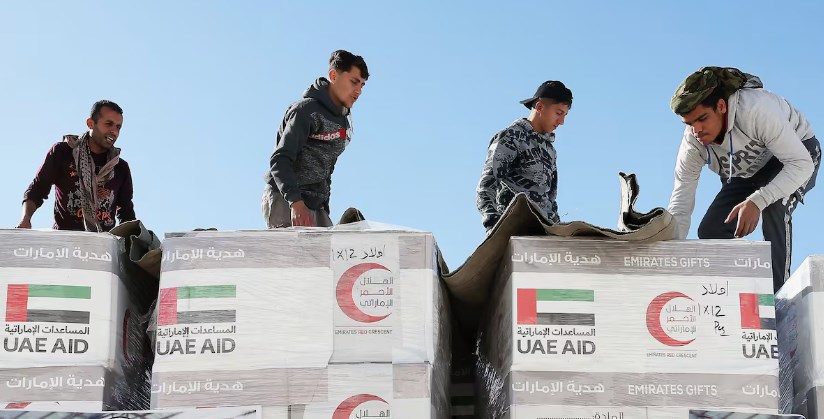
For these displaced populations, humanitarian aid is often the only lifeline available. Food parcels, medical supplies, sanitation equipment, and emergency shelter materials are essential for survival. Yet getting those supplies into conflict zones has become increasingly difficult. Aid agencies report that damaged infrastructure, security concerns, border restrictions, and transportation disruptions are creating unprecedented obstacles. Every delay means fewer resources reaching people who urgently need them. War in the Middle East hits humanitarian aid supply chains
Supply Chains Under Pressure
Humanitarian supply chains rely on a complex network of transportation routes, warehouses, border crossings, ports, and distribution centers. When war erupts, each part of that network becomes vulnerable. Roads that once carried aid trucks may become unsafe or impassable due to military activity. Bridges can be damaged or destroyed. Airports may suspend operations, while ports face restrictions or security threats.
In some areas, aid convoys are forced to take longer and more dangerous routes to reach their destinations. What once took a few hours can now take days or even weeks. The result is a significant slowdown in aid delivery. Humanitarian organizations must constantly adjust logistics plans, reroute shipments, and coordinate with multiple authorities to move supplies across borders. These adjustments increase costs and reduce efficiency at a time when demand for assistance is rapidly rising.
Medical Supplies Running Low
Perhaps the most alarming consequence of supply chain disruptions is the shortage of medical supplies. Hospitals and clinics in conflict zones often operate under extreme pressure, treating large numbers of injured civilians while struggling with limited resources. Essential medicines, surgical equipment, blood supplies, and fuel for generators are all dependent on functioning supply networks.
When shipments are delayed, healthcare facilities face difficult choices. Doctors may be forced to ration medicines or postpone non-emergency procedures. Some hospitals report shortages of antibiotics, anesthesia, and specialized medical equipment. In areas where electricity infrastructure has been damaged, fuel shortages further complicate efforts to keep life-saving equipment running. Healthcare workers continue their efforts despite enormous challenges, but many warn that the humanitarian situation could worsen significantly if supply routes remain disrupted.
Food Security Concerns Intensify
Food aid is another critical area affected by the conflict. Large-scale displacement often leaves families without access to income or local food markets. Humanitarian agencies step in to provide emergency food assistance, but supply chain disruptions make those operations increasingly difficult.
Warehouses may struggle to maintain inventory levels. Transportation delays can prevent food from reaching distribution points on schedule. Rising fuel costs and logistical complications further increase the expense of delivering aid. War in the Middle East hits humanitarian aid supply chains
For families already living on the edge, even short interruptions can have serious consequences. Children are particularly vulnerable. Nutrition experts warn that prolonged food shortages can lead to increased rates of malnutrition, especially among young children, pregnant women, and the elderly. Aid organizations fear that if access remains restricted, food insecurity could spread rapidly across affected regions.
Humanitarian Workers Face Mounting Risks
Behind every aid shipment are thousands of humanitarian workers committed to helping people in crisis. These workers often operate in dangerous conditions, navigating active conflict zones while attempting to deliver assistance. As fighting intensifies, security risks for humanitarian personnel increase dramatically. Convoys may face delays due to security concerns. Warehouses and distribution centers require additional protection measures. Communication networks can become unreliable, making coordination more difficult.
Despite these obstacles, aid workers continue their missions because they understand what is at stake. Many humanitarian organizations emphasize that safe and consistent access is essential for effective relief efforts. Without secure corridors and predictable transportation routes, reaching vulnerable populations becomes increasingly challenging.
Rising Costs Compound the Crisis
The war’s impact extends beyond physical disruptions. Humanitarian organizations are also grappling with sharply rising operational costs. Fuel prices, transportation expenses, insurance costs, and security requirements have all increased. Organizations must spend more money simply to move supplies from one location to another. At the same time, global humanitarian funding is already under strain due to multiple crises occurring around the world.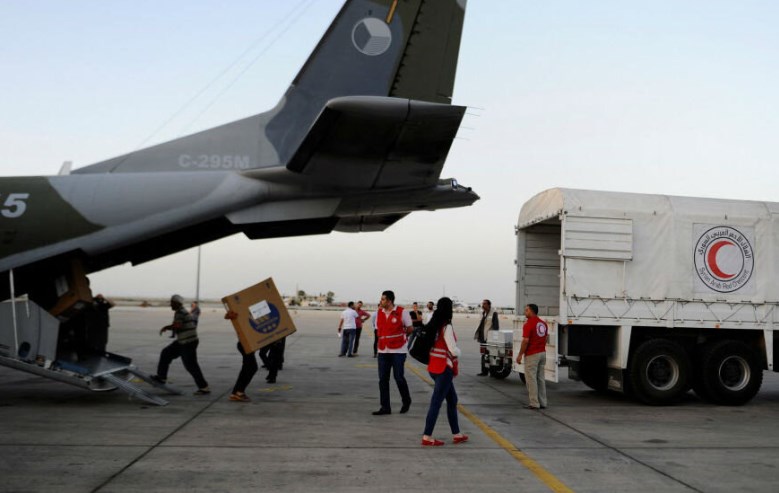
Aid agencies are being forced to stretch limited budgets further than ever before. Some organizations warn that unless additional funding becomes available, they may struggle to sustain operations at the scale required. The combination of growing needs and rising costs creates a difficult environment for humanitarian response efforts.
The Importance of Humanitarian Access
International aid groups continue to call for greater humanitarian access to affected populations. Humanitarian access refers to the ability of aid organizations to safely and consistently reach people in need, regardless of political or military developments. Access often depends on negotiations with governments, local authorities, and other stakeholders. When access is restricted, civilians bear the consequences.
Aid organizations argue that protecting humanitarian corridors and ensuring the flow of relief supplies should remain a priority even during periods of intense conflict. Such measures can help prevent further deterioration of already fragile humanitarian conditions. The goal is not only to deliver immediate assistance but also to reduce long-term suffering and support communities as they recover. War in the Middle East hits humanitarian aid supply chains
Looking Ahead
The challenges facing humanitarian aid supply chains in the Middle East highlight how modern conflicts affect far more than military objectives. They disrupt the systems that sustain civilian life and complicate efforts to provide relief to those most in need. Millions of people now depend on humanitarian assistance for survival. Yet every damaged road, delayed shipment, or restricted border crossing makes it harder to deliver that support.
As the conflict continues, humanitarian organizations remain focused on finding ways to overcome these obstacles. Through logistical innovation, international cooperation, and the dedication of aid workers on the ground, relief efforts continue despite immense difficulties. Still, the situation remains fragile. Without improvements in access and supply chain stability, the humanitarian consequences of the war could deepen, affecting millions of civilians across the region for months or even years to come. For families waiting for food, medicine, and shelter, the efficiency of humanitarian supply chains is not simply a logistical concern—it is a matter of survival. War in the Middle East hits humanitarian aid supply chains
About the Author