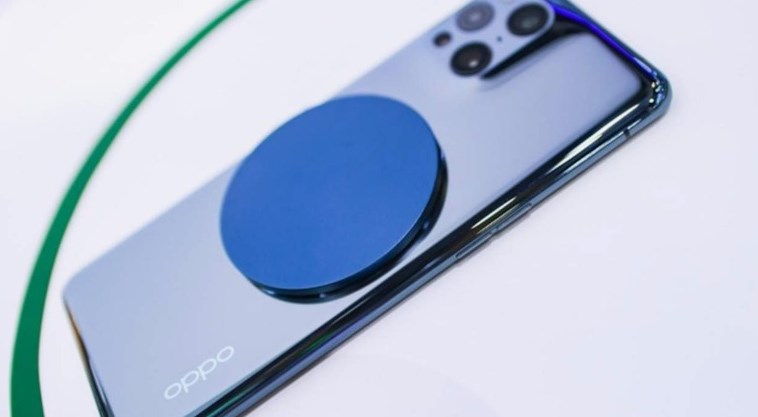
Oppo’s Bubble is the fun MagSafe accessory Apple still refuses to make – For years, the tech industry has suffered from a chronic case of taking itself way too seriously. Smartphones have largely matured into identical, monolithic rectangles of glass and titanium. Upgrades are measured in fractional percentage points of CPU performance or microscopic bumps in camera sensor sizes. The joy of tech—the weird, experimental, “why did they build this?” kind of joy—has felt largely dormant. Then came the Oppo Bubble (officially dubbed the Trendy Selfie Screen).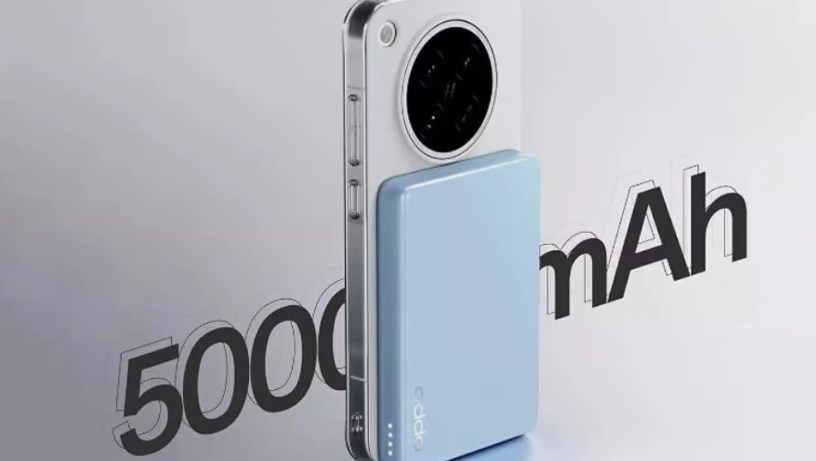
Weighing a mere 27.5 grams and measuring just 7 millimeters thin, this tiny, circular AMOLED touchscreen snaps onto the back of a phone using magnetic alignment. It is, for all intents and purposes, a modular secondary display. While it plays beautifully with Qi2-compatible devices like the iPhone, its true magic unlocks when paired with an Oppo device. It turns the rear of your phone into a live camera preview monitor, allowing you to use your device’s massive, high-end primary sensors for selfies and vlogging without flying blind.
When you aren’t shooting, it transforms into an interactive, digital “badge” displaying customized animations, static wallpapers, or acting as a standalone tech pendant clipped to a backpack. It is clever, whimsical, and highly practical. It is exactly the kind of ecosystem play that Apple’s MagSafe ecosystem desperately needs, yet Apple consistently refuses to make.
The MagSafe Paradox: Great Tech, Safe Execution
When Apple re-introduced the MagSafe brand for the iPhone 12, it felt like a watershed moment for mobile hardware. By embedding a precise ring of neodymium magnets and an orientation magnet into the back of the phone, Apple didn’t just fix the alignment issues of wireless charging; they laid the groundwork for an entirely new paradigm of modular hardware. The potential felt limitless. We imagined a future of snap-on e-ink notification panels, modular gaming controllers, high-fidelity microphone attachments, and mini projector docks.
Instead, Apple chose safety. Over the years, the first-party MagSafe lineup has remained strictly pedestrian:
-
The MagSafe Charger: A utilitarian puck that sits on a desk.
-
The MagSafe Wallet: A fine, if uninspired, leather sleeve that holds a couple of cards.
-
The Battery Pack: A minimalist white brick that Apple eventually quietly discontinued.
Apple built a revolutionary hardware interface and then treated it primarily as a means to sell expensive wireless chargers and basic wallets. The Cupertino giant essentially outsourced all genuine imagination to third-party accessory makers like Anker, Moment, and Peak Design.
Why the Oppo Bubble is a Masterclass in Modern Tech
Oppo looked at magnetic phone attachments and asked a fundamental question: How do we make the smartphone experience more expressive and flexible?
The Oppo Bubble strikes a perfect balance between utility and pure, unadulterated fun. It tackles one of the oldest pain points in mobile photography: the disparity between rear and front-facing cameras. Even on the best flagship devices, front-facing selfie cameras are physically constrained by screen bezels and dynamic islands. They feature smaller sensors, weaker low-light performance, and less sophisticated optics compared to the massive, multi-megapixel main shooters on the back.
By snapping the Bubble to the back of a compatible device, users gain a crisp, low-latency live view of what their main camera sees. Because the device communicates wirelessly with a range of up to 10 meters, it pulls double duty. You can snap it off your phone, prop your phone up on a table across the room, and use the Bubble in your hand as a remote framing monitor and shutter button for a group photo.
When you aren’t creating content, the Bubble doesn’t become dead weight in your pocket. It turns into a lifestyle accessory. You can load it with interactive digital pets, stylized clocks, or custom animations, effectively giving your phone a living, breathing digital canvas on its back. Thanks to its bundled case attachment, it can even be worn as an electronic bag charm or keychain when detached. It treats hardware not just as a cold tool, but as an extension of personal style. Oppo’s Bubble is the fun MagSafe accessory Apple still refuses to make
The Apple Ecosystem Dilemma
It is easy to understand why Apple hasn’t built something like the Oppo Bubble. Apple’s design philosophy is rooted in hyper-minimalism, absolute control, and frictionless software integration. If Apple wants to give users a secondary display experience, their answer is the Apple Watch or Apple Vision Pro—standalone, high-margin computational platforms, not a whimsical $73 modular phone accessory.
Furthermore, Apple historically abhors clunkiness. The idea of carrying a secondary 27-gram puck that requires its own internal 550 mAh battery management goes against the streamlined, “it just works” ethos of the modern iPhone. But in maintaining this rigid discipline, Apple is leaving money, joy, and cultural relevance on the table. The younger demographic of smartphone users—Gen Z and digital creators—are actively rejecting the sterile perfection of modern smartphones. It is the driving force behind the massive resurgence of early-2000s digital cameras and flip phones. People want tactile, quirky, and imperfect tech. They want devices that feel personal.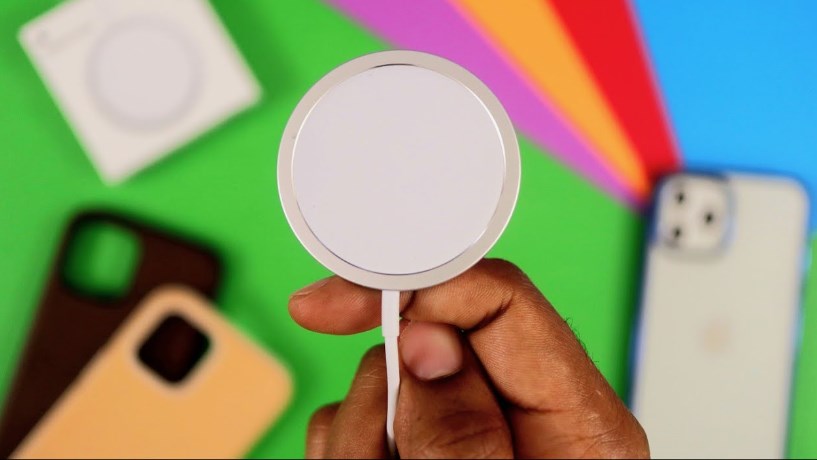
Imagine an Apple-engineered equivalent of the Bubble: a beautiful, circular Retina micro-display that snaps to the back of an iPhone. It could display a user’s favorite Apple Watch faces, serve as an Always-On display widget hub when the phone is flipped face down, or act as a pristine viewfinder for shooting 4K ProRes video using the iPhone’s ultra-premium main sensor. It would instantly supercharge the iPhone’s appeal to the booming creator economy.
The Reality Check: While third-party manufacturers have built magnetic vlog mirrors and phone grips for the iPhone, none of them possess the deep, system-level software integration that a first-party Apple accessory would enjoy. Only the smartphone manufacturer can make a modular accessory feel like a native extension of the operating system. Oppo’s Bubble is the fun MagSafe accessory Apple still refuses to make
A Glimpse into a More Modular Future
Oppo’s willingness to experiment with the Bubble highlights a broader shift in the Android landscape. With the widespread adoption of the Qi2 charging standard—which standardizes magnetic rings across the industry—Android OEMs are realizing that magnetic ecosystems are a massive, untapped playground.
The Oppo Bubble is a refreshing reminder of what hardware looks like when engineers are allowed to color outside the lines. It proves that phone accessories don’t have to be limited to passive pieces of plastic, basic kickstands, or plain battery packs. They can be interactive, dynamic, and genuinely charming extensions of our daily drivers. Apple gave the world the magnificent canvas that is MagSafe. It’s just a shame that they are letting companies like Oppo paint all the most interesting pictures on it Oppo’s Bubble is the fun MagSafe accessory Apple still refuses to make
About the Author