Trump jabs at losers criticizing Iran war peace deal
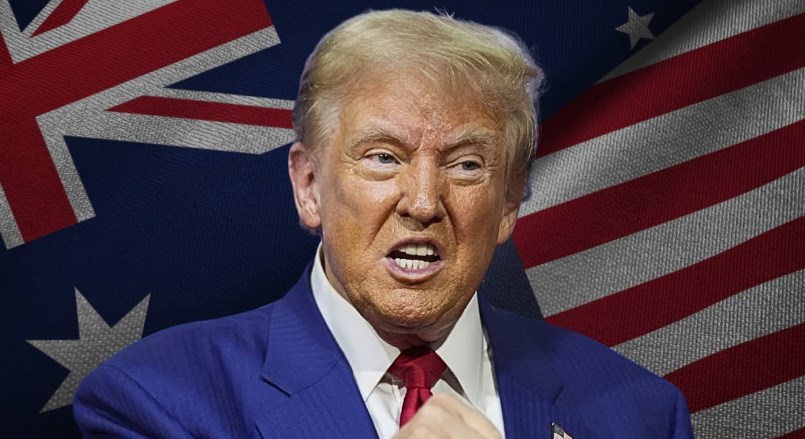
Trump jabs at losers criticizing Iran war peace deal – President Donald Trump is once again at the center of a political firestorm, this time over a developing peace agreement tied to the ongoing conflict involving Iran. As criticism poured in from political rivals, conservative commentators, and even members of his own Republican Party, Trump responded in classic fashion — with sharp insults, bold claims, and unwavering confidence that his negotiation strategy would succeed.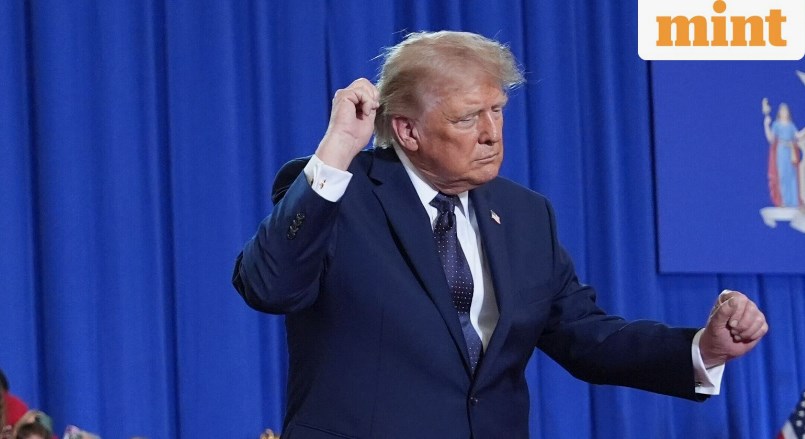
In recent days, Trump lashed out at critics he labeled “losers,” insisting they had no understanding of the details surrounding the proposed Iran peace deal. The comments came as reports surfaced that the United States and Iran were inching closer toward a ceasefire framework that could potentially ease tensions after months of military escalation across the Middle East. Trump jabs at losers criticizing Iran war peace deal
The former president, never one to shy away from confrontation, defended the negotiations on his Truth Social platform and argued that any agreement brokered under his leadership would be far superior to the controversial Obama-era nuclear deal that he withdrew from during his first term in office. Trump emphasized repeatedly that he would “not make bad deals,” framing himself as a tougher negotiator capable of forcing Iran into concessions without weakening America’s position globally.
The proposed agreement reportedly includes a temporary ceasefire, renewed nuclear talks, and partial sanctions relief in exchange for steps aimed at reducing regional hostilities and limiting Iran’s nuclear ambitions. However, the details remain fluid, and officials on both sides have cautioned that no final deal has officially been signed.
Still, the mere possibility of an agreement has exposed growing divisions inside Trump’s political base. Some Republican lawmakers and conservative foreign policy hawks argue that easing pressure on Tehran could strengthen the Iranian regime and undo military gains achieved during the conflict. Senators and political allies who typically support Trump have openly questioned whether the administration is giving away too much in exchange for promises they believe Iran may not keep.
Critics worry that sanctions relief and access to frozen Iranian funds could inject billions of dollars into Iran’s economy without permanently ending its nuclear ambitions. Others argue that a ceasefire could simply buy Tehran time while tensions simmer beneath the surface. These concerns have fueled heated debates across conservative media and online political circles. Trump jabs at losers criticizing Iran war peace deal
Trump, however, appears unfazed by the backlash. Speaking to reporters and posting online, he argued that many of the loudest critics had not even seen the framework being discussed. He accused opponents of attacking the negotiations for political reasons rather than national security concerns. According to Trump, his detractors are eager to undermine any diplomatic success associated with his administration.
The rhetoric reflects Trump’s broader political style, one built around confrontation and personal branding. Instead of quietly defending the negotiations, he turned the criticism into another public battle, using harsh language to energize supporters while portraying himself as the only leader capable of balancing military strength with diplomatic leverage.
The political stakes are enormous. The conflict with Iran has dominated headlines for months, raising fears of a wider regional war involving Israel, Gulf nations, and American forces stationed throughout the Middle East. Oil markets have fluctuated wildly amid concerns about shipping disruptions in the Strait of Hormuz, one of the world’s most strategically important waterways. A successful ceasefire could stabilize energy prices and reduce fears of a broader global economic shock.
At the same time, Trump faces pressure from multiple directions. Anti-war conservatives want the administration to avoid another prolonged Middle Eastern conflict, while hawkish Republicans argue that Iran should face even tougher military and economic consequences. Trying to satisfy both camps has become one of the biggest political balancing acts of Trump’s presidency.
Observers note that Trump is attempting to frame the deal as the “exact opposite” of Barack Obama’s 2015 nuclear agreement. During his original presidency, Trump repeatedly blasted that deal as weak and dangerous, claiming it provided Iran with financial relief while failing to stop its path toward nuclear weapons. Now, he insists his version would contain stricter enforcement and stronger protections for American interests. Trump jabs at losers criticizing Iran war peace deal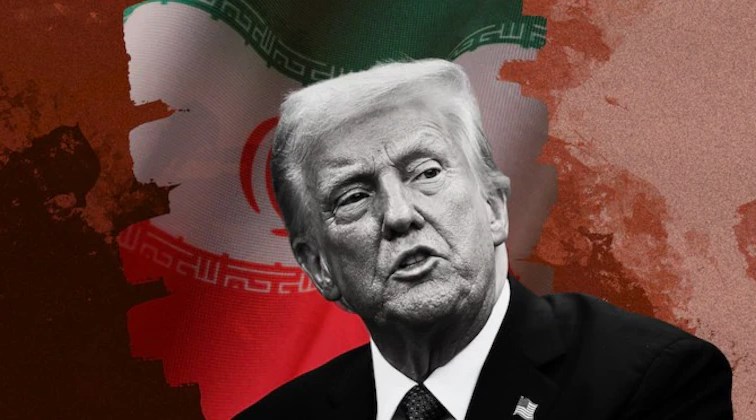
Secretary of State Marco Rubio has also publicly defended the administration’s approach, stressing that preventing Iran from obtaining nuclear weapons remains a top priority. Administration officials argue that diplomacy backed by military pressure offers the best path toward long-term stability.
Meanwhile, Iran’s leadership has sent mixed signals. Some Iranian officials have acknowledged progress in negotiations, while others publicly rejected claims that a final agreement is imminent. Iranian state media and government spokespeople have occasionally contradicted Trump’s optimistic statements, creating uncertainty about how close the two sides truly are to a breakthrough.
This inconsistency has only added to skepticism among critics, who accuse Trump of overstating progress for political purposes. Some analysts believe the negotiations remain fragile and could collapse quickly if either side hardens its demands or if military clashes intensify again in the region.
Still, Trump continues to project confidence. His messaging strategy blends aggressive rhetoric with promises of peace, a combination that has become a defining feature of his foreign policy image. One moment he warns Iran of devastating consequences if talks fail; the next, he promotes the possibility of a historic agreement that could reshape the Middle East.
Political analysts say the approach appeals strongly to his core supporters, many of whom view Trump as unpredictable but effective. To them, his willingness to insult opponents while pursuing negotiations demonstrates strength rather than recklessness. Critics, however, argue that the inflammatory language risks undermining diplomacy and further polarizing an already tense political environment.
The controversy also highlights how divided American politics has become over foreign policy. Even within the Republican Party, there is no clear consensus on how aggressively the United States should confront Iran. Trump’s comments toward fellow conservatives reveal how personal and emotional these disagreements have become.
Whether the Iran peace effort ultimately succeeds or fails, the episode underscores Trump’s enduring influence over political discourse. He remains capable of dominating headlines with a single social media post, reshaping debates instantly, and forcing allies and opponents alike to respond to his messaging. Trump jabs at losers criticizing Iran war peace deal
For now, negotiations appear to be continuing behind closed doors, with diplomats attempting to bridge major disagreements on sanctions, uranium stockpiles, regional security, and military operations. The coming days could determine whether the proposed agreement becomes a landmark diplomatic breakthrough or another failed chapter in the long and turbulent relationship between Washington and Tehran.
About the Author