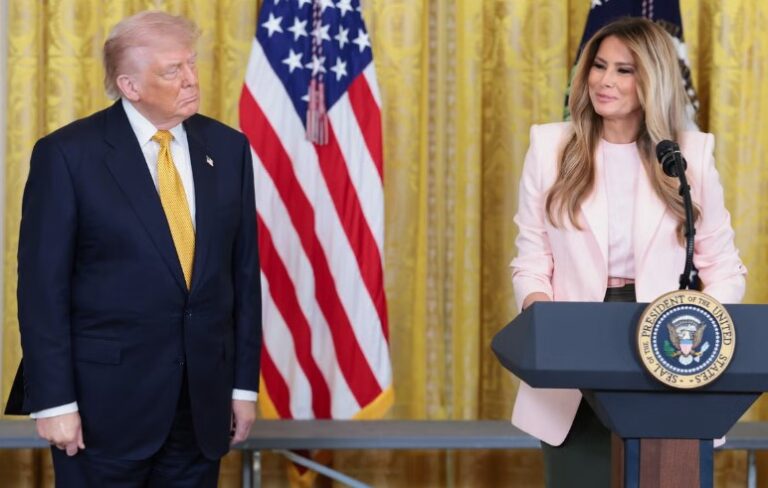
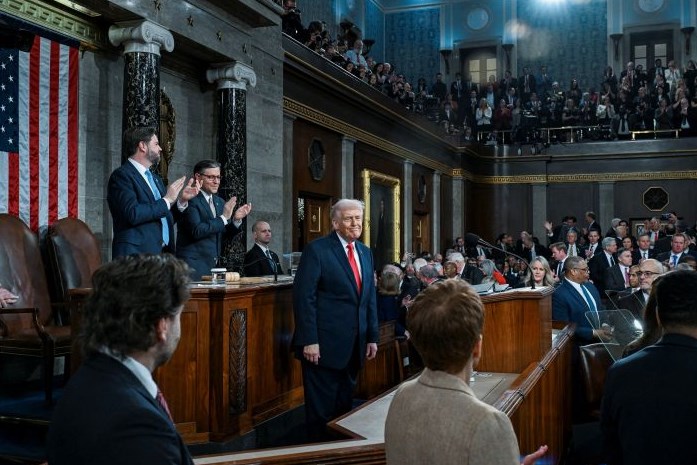
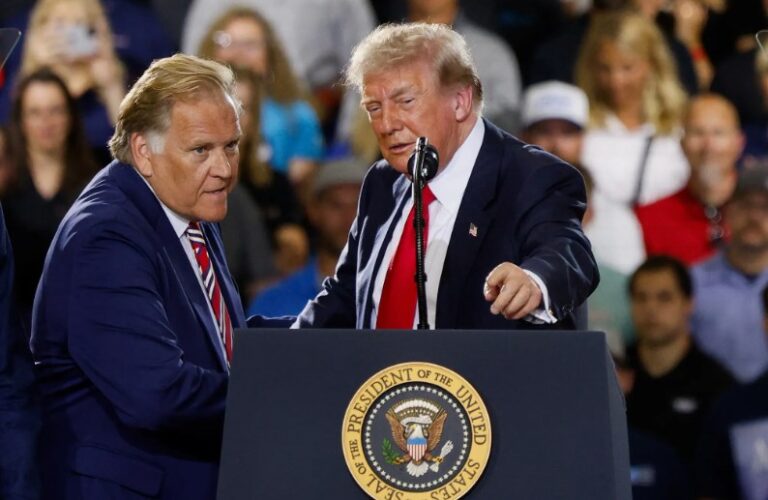
Trump says 5000 more troops headed to Poland in whiplash reversal
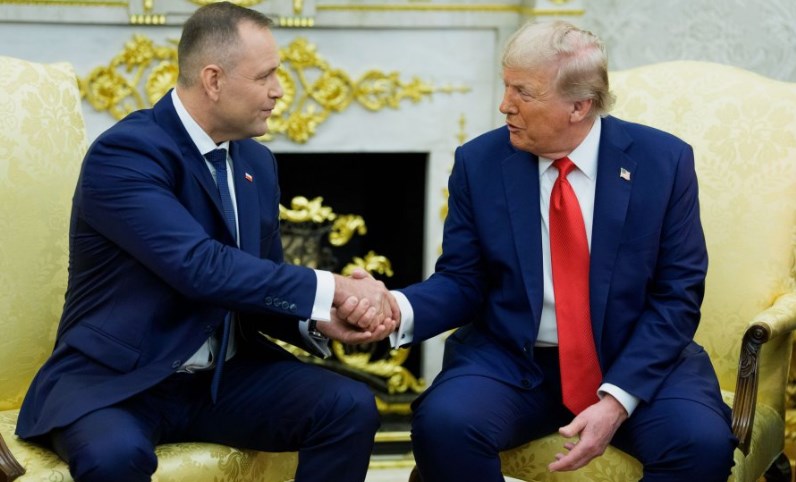
Trump says 5000 more troops headed to Poland in whiplash reversal – Former President Donald Trump has once again stirred debate on the global stage after announcing that an additional 5,000 American troops would be sent to Poland — a dramatic policy shift that critics and allies alike are calling a whiplash reversal. The move comes after years of mixed messaging surrounding U.S. military commitments in Europe, NATO funding disputes, and Trump’s repeated calls for European nations to shoulder more of their own defense burdens.
Now, with tensions in Eastern Europe still running high and security concerns growing across NATO’s eastern flank, Trump’s latest announcement signals a major turn in tone. Supporters describe the decision as a strong show of American leadership and deterrence against potential threats from Russia. Critics, however, argue that the reversal highlights inconsistencies in Trump’s foreign policy approach and raises questions about the long-term direction of U.S. military strategy abroad. The decision has immediately reignited conversations in Washington, Warsaw, and across Europe about America’s role in global security alliances and whether Trump’s evolving position reflects changing geopolitical realities or political calculation.
A Sudden Change in Direction
For years, Trump often criticized NATO members for failing to meet defense spending targets. During his presidency, he repeatedly warned European allies that the United States could not continue acting as the primary guarantor of Europe’s security while many nations contributed less than the agreed benchmark for military spending. Poland, however, was one of the few NATO countries Trump frequently praised. Warsaw consistently increased its defense budget and maintained a close relationship with Washington during Trump’s administration. Polish leaders openly embraced Trump’s calls for stronger military readiness and eagerly welcomed the presence of American troops on their soil.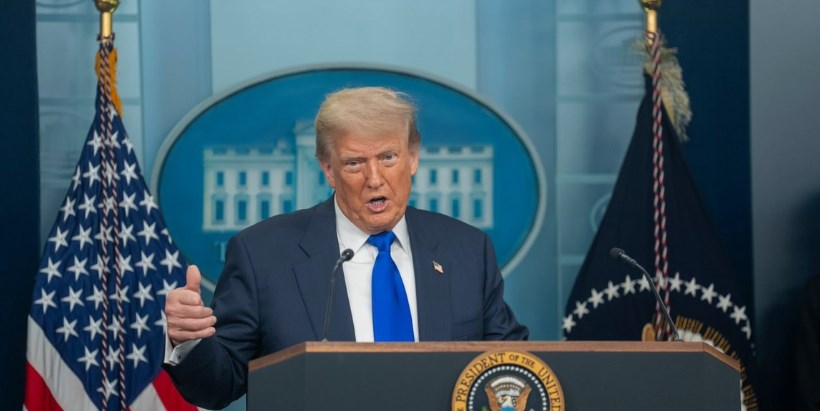
Still, Trump had previously suggested reducing U.S. military commitments overseas, including in parts of Europe. His “America First” philosophy often centered on pulling back from expensive foreign entanglements and focusing more heavily on domestic priorities. That is what makes the latest troop deployment announcement so striking. The proposed addition of 5,000 troops represents a significant expansion of America’s military footprint in Poland and signals renewed emphasis on deterrence in Eastern Europe. Observers note that the move contrasts sharply with earlier rhetoric that questioned the value of long-term overseas deployments. The announcement also arrives at a time when NATO allies remain deeply concerned about regional stability and the ongoing security implications stemming from Russia’s military posture near Eastern Europe.
Poland’s Growing Strategic Importance
Over the past several years, Poland has become one of America’s closest military partners in Europe. Its geographic position places it at the center of NATO’s eastern defense line, bordering key regions that have become increasingly sensitive from a security perspective. Poland has aggressively modernized its military, purchasing advanced American defense systems, fighter jets, tanks, and missile platforms. The country has also invested billions into expanding military infrastructure capable of hosting larger numbers of U.S. personnel. Trump says 5000 more troops headed to Poland in whiplash reversal
For Warsaw, a stronger American presence serves both symbolic and practical purposes. It reassures the Polish public, strengthens NATO deterrence, and signals unity against external threats. The additional troops would likely support rotational deployments, training operations, intelligence coordination, and rapid-response capabilities. Analysts believe the expansion could also include logistics units, air defense systems, and armored support elements. Polish officials quickly welcomed the announcement, emphasizing the importance of deepening security cooperation with Washington. Many leaders in Warsaw view a permanent or expanded American military presence as essential to regional stability.
Critics Point to Contradictions
Despite praise from some national security hawks, Trump’s reversal has sparked criticism from both political opponents and foreign policy analysts. Critics argue that the move appears inconsistent with years of rhetoric criticizing overseas military spending and questioning America’s obligations to NATO allies. Some lawmakers accused Trump of sending mixed messages to both allies and adversaries.
Others argue that the deployment risks escalating tensions unnecessarily, particularly at a moment when diplomatic efforts remain fragile. Several analysts also noted that Trump had previously explored reducing troop levels in Germany during his presidency, citing frustration with defense cost-sharing arrangements. The new troop expansion in Poland may therefore reflect a reshuffling of military priorities rather than a broader commitment to expanding U.S. involvement overseas.
Still, opponents say the abrupt shift creates uncertainty about the overall direction of American foreign policy. “This is exactly why allies sometimes struggle to understand where America stands,” one former diplomat remarked during a television interview following the announcement. “One moment the message is retrenchment, the next it’s military expansion.”
Supporters Defend the Move
Trump allies, meanwhile, argue that the decision is entirely consistent with his broader strategic worldview. Supporters say Trump has always favored rewarding allies that meet defense obligations while pressuring others to contribute more. Poland’s willingness to increase military spending and invest heavily in defense partnerships with the United States fits neatly into that philosophy. Conservative national security voices also argue that strengthening America’s military posture in Poland sends a powerful deterrent message to Russia while reinforcing NATO’s eastern defenses. Trump says 5000 more troops headed to Poland in whiplash reversal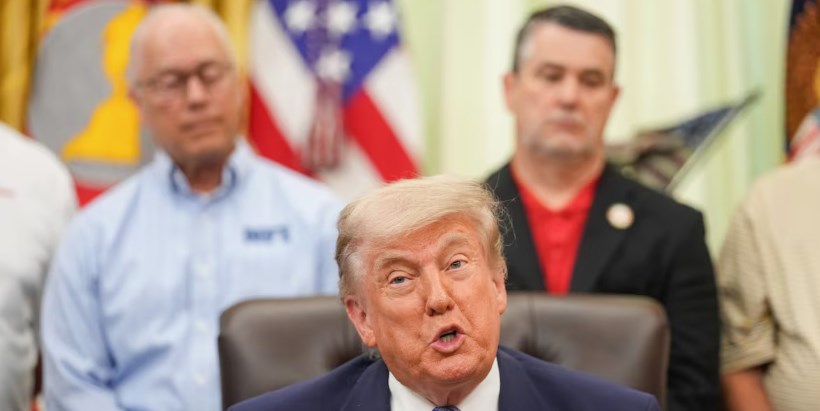
Some Republican lawmakers praised the move as a practical response to evolving security conditions in Europe. They contend that maintaining a strong military presence near NATO’s eastern border helps prevent larger conflicts by discouraging aggressive actions. Supporters further note that troop deployments in allied countries often provide strategic advantages beyond combat readiness, including intelligence sharing, rapid deployment capabilities, and regional coordination.
NATO Watching Closely
Across Europe, the reaction has been mixed but closely attentive. Eastern European nations generally welcomed the prospect of increased U.S. military support, particularly countries that have pushed for stronger NATO deterrence measures in recent years. Western European leaders, however, remain cautious about the broader implications of Trump’s shifting rhetoric. Some diplomats worry that unpredictable policy changes could complicate alliance coordination and long-term defense planning.
NATO officials have repeatedly stressed the importance of unity and consistency among member states, particularly during periods of heightened geopolitical tension. The troop announcement may also influence ongoing debates within Europe about defense independence and military spending. Many European governments have already accelerated defense investments in recent years, driven by growing concerns about regional security threats.
Political Implications Back Home
The announcement is likely to become a significant talking point in U.S. political debates as foreign policy once again takes center stage ahead of the election cycle. Trump has long positioned himself as both a nationalist skeptic of endless foreign interventions and a leader willing to project military strength when necessary. The Poland troop announcement attempts to balance those two narratives.
Political strategists say the move could appeal to conservative voters who favor a tough stance on national security while still aligning with Trump’s argument that allies must contribute more to collective defense. At the same time, critics are expected to use the reversal as evidence of inconsistency in Trump’s approach to international affairs. Whether voters see the move as strategic flexibility or policy confusion may depend largely on how events unfold in Europe over the coming months. Trump says 5000 more troops headed to Poland in whiplash reversal
A Defining Foreign Policy Test
Ultimately, the decision to send 5,000 more troops to Poland reflects the increasingly complex reality of global security politics. The world Trump once described as overly dependent on American military power has become even more unstable, forcing difficult choices about deterrence, alliances, and strategic influence. For Poland, the announcement represents reassurance and strengthened partnership. For NATO, it underscores the continuing importance of American leadership in Europe’s defense architecture.
For Trump, however, it may become one of the clearest examples yet of how campaign rhetoric and geopolitical realities can collide. The troop deployment announcement may have surprised many observers, but it also highlights a central truth of modern foreign policy: global threats often force leaders to adapt, even when doing so means reversing course in dramatic fashion. Trump says 5000 more troops headed to Poland in whiplash reversal
About the Author