Black coaches are tired of whispering about college football hiring reality
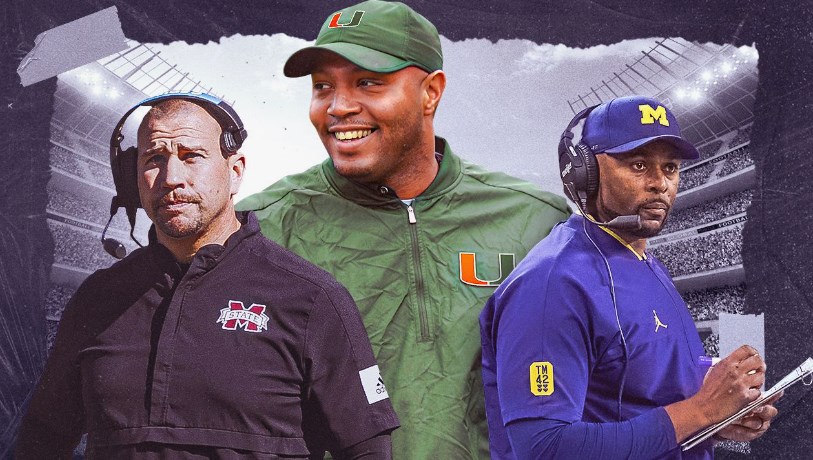
Black coaches are tired of whispering about college football hiring reality – For generations, college football has sold itself as a meritocracy — a sport where hard work, leadership, and results are supposed to matter above all else. Coaches preach discipline, accountability, and opportunity to young athletes every day. But behind the scenes, many Black coaches say the reality of climbing the profession’s ladder tells a very different story. Now, more of them are speaking openly about it. For years, conversations about race and hiring in college football happened quietly in hotel hallways, private phone calls, and closed coaching meetings. Many Black assistants feared that publicly questioning hiring practices could damage their careers or label them as “difficult.” Others stayed silent because they believed patience would eventually lead to opportunity. Black coaches are tired of whispering about college football hiring reality 
But patience has worn thin. Despite decades of progress on the field, Black coaches remain dramatically underrepresented in the most powerful jobs in college football. The numbers tell a story many within the sport already know by heart: Black athletes make up a huge percentage of Division I football rosters, yet leadership positions — especially head coaching jobs at major programs — remain overwhelmingly controlled by white coaches. The frustration isn’t simply about statistics anymore. It’s about a system many coaches believe continues to reward familiarity, personal networks, and institutional comfort over fairness.
Several Black assistants around the country describe the same exhausting cycle. They recruit elite talent, develop players, help programs win championships, and often carry major responsibilities behind the scenes. Yet when head coaching vacancies open, their names rarely gain serious traction. Instead, universities frequently turn to candidates who already fit traditional expectations — coaches with recognizable connections, ties to powerful athletic directors, or backgrounds that feel “safe” to boosters and administrators. Many coaches say the issue is not always outright racism in the obvious sense. Rather, it is the quieter, more entrenched form of exclusion that exists inside professional networks.
Athletic directors often hire people they already know. University presidents trust recommendations from familiar circles. Search firms recycle the same candidates repeatedly. And because leadership in college athletics has historically lacked diversity, the cycle keeps reproducing itself. One Black assistant coach recently described the process as “trying to enter a room where the doors are technically unlocked, but nobody ever invites you inside.” That feeling has become increasingly common across the sport. The frustration intensified again during the most recent hiring cycle, when several major programs bypassed accomplished Black coordinators in favor of younger white assistants with thinner résumés or coaches with losing records but stronger institutional ties.
For many observers, the pattern no longer feels coincidental. College football has entered an era where coaching salaries rival those of professional sports. Head coaches at powerhouse programs now earn millions annually, while coordinators can make seven-figure salaries. With so much money involved, universities tend to avoid risk at all costs. The problem, critics argue, is that Black coaches are too often unfairly viewed as the riskier option. That perception persists even when their qualifications match — or exceed — those of other candidates.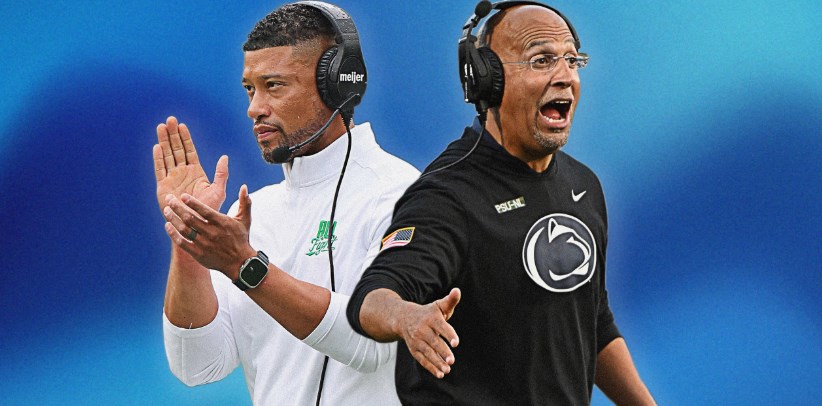
Former players have started noticing it too. Many current and former athletes openly question why the sidelines rarely reflect the diversity seen on the field. Players spend years being mentored by Black position coaches and coordinators, only to watch leadership opportunities repeatedly pass them by. The disconnect has become impossible to ignore.
Some coaches point to the NFL’s Rooney Rule as an imperfect but necessary attempt to create accountability in hiring. College football, however, operates under a far more decentralized system. There is no universal policy requiring schools to interview minority candidates for head coaching positions. Each university controls its own process, and transparency is often minimal. Black coaches are tired of whispering about college football hiring reality
As a result, many searches appear finished before they officially begin. Black coaches say one of the biggest barriers is access to quarterback development and play-calling opportunities. Offensive coordinators and quarterbacks coaches are often viewed as the most desirable pipelines to head coaching jobs. Historically, Black assistants have been steered more heavily toward defensive or position-specific roles, limiting their exposure to the areas universities prioritize when hiring leaders.
Even when Black coaches break through and become head coaches, the margin for error can feel smaller. Several coaches and analysts have noted that Black head coaches are often hired into unstable situations with weaker rosters, limited institutional patience, or unrealistic expectations. When struggles come, they are frequently dismissed faster and given fewer second chances than their white counterparts.
The pattern creates another vicious cycle: fewer long-term success stories lead administrators to claim there are fewer “proven” Black candidates available. Yet despite the frustration, many Black coaches are not asking for handouts or symbolic gestures. What they want, they say, is consistency. If success on the field matters, then it should matter equally. If leadership, recruiting ability, player development, and culture-building are truly priorities, then those qualities should be evaluated fairly across every candidate.
The conversation has also become tied to broader changes happening across college athletics. The transfer portal, NIL deals, conference realignment, and massive financial pressures have transformed the sport into an even more corporate enterprise. In that environment, universities increasingly rely on executive-style leadership searches. But critics argue that corporate hiring logic often reinforces existing biases. Decision-makers lean toward familiar profiles, established names, and candidates who resemble previous hires. That tendency can quietly shut out deserving coaches before interviews even begin. Black coaches are tired of whispering about college football hiring reality
Social media has added another layer to the conversation. In previous decades, hiring frustrations stayed mostly private. Today, former players, analysts, journalists, and fans openly debate coaching searches in real time. Every hiring cycle now brings public scrutiny over diversity, opportunity, and fairness. Black coaches say that visibility matters because silence never produced meaningful change. At the same time, speaking openly still carries professional risks. College football remains a relationship-driven industry, and many assistants worry that criticizing hiring practices could damage future opportunities. Some fear being labeled as complainers instead of competitors.
That tension explains why so many discussions still happen quietly, even as frustration grows louder overall. There are signs of progress in certain areas. Some universities have made more intentional efforts to diversify candidate pools and leadership staffs. A growing number of Black coordinators are earning national recognition. Former players are entering coaching with stronger support networks and broader visibility than earlier generations had.
But many inside the sport believe change remains painfully slow compared to the scale of the issue. The larger question facing college football is whether the sport truly wants leadership opportunities to reflect the diversity it celebrates on Saturdays. Programs proudly showcase Black athletes in marketing campaigns, championship runs, and television promotions. Yet leadership structures often lag far behind. That contradiction has become increasingly difficult for players, coaches, and fans to ignore.
For many Black coaches, the exhaustion comes not just from being overlooked, but from repeatedly having to prove they belong in conversations where others receive automatic benefit of the doubt. They are tired of whispering about it. Tired of private frustrations turning into public silence. Tired of hearing that change is coming “eventually.” And tired of watching another hiring cycle end with the same familiar outcome. College football loves to describe itself as a sport built on opportunity. The coaches pushing this conversation forward are now asking the industry to finally live up to that promise. Black coaches are tired of whispering about college football hiring reality
About the Author