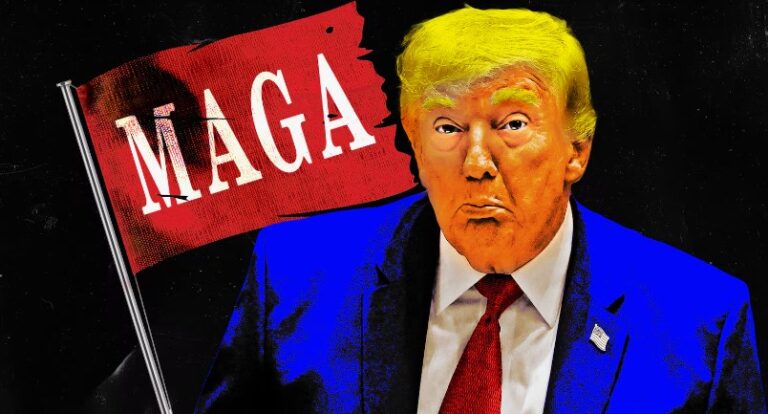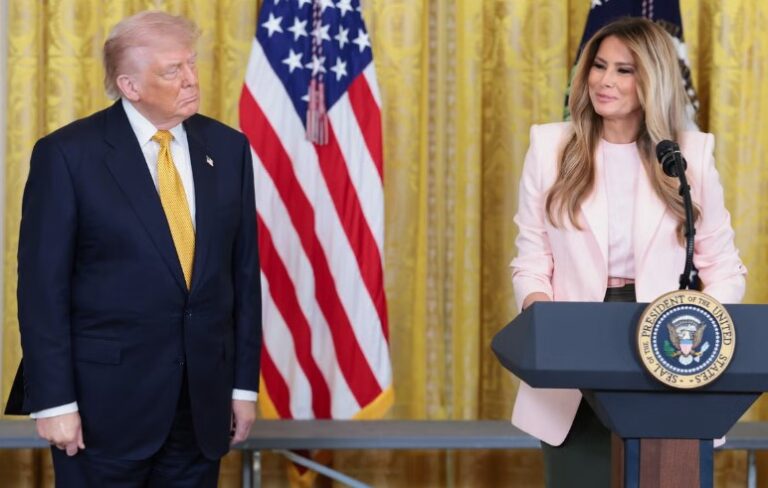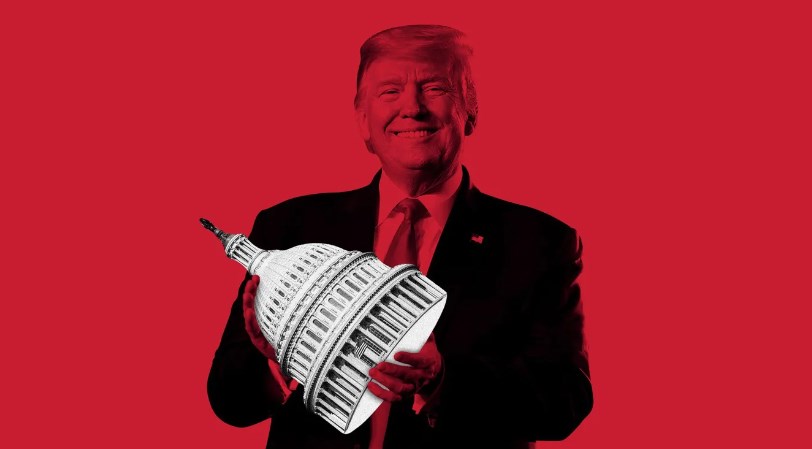
Will Trump revenge tour determine key primaries in the South – The political shadow of Donald Trump continues to loom large over the American South, where Republican primaries are increasingly becoming tests of loyalty to the former president rather than traditional contests over policy or ideology. As election season intensifies, Trump’s influence is shaping campaigns across several Southern states, turning local races into national battlegrounds in what many critics and supporters alike are calling his political “revenge tour.”
For Trump, the mission is clear: reward allies who stood by him during his legal troubles and turbulent post-presidency years while punishing Republicans who challenged him, criticized him, or refused to support his claims about the 2020 election. Nowhere is that effort more visible than in Southern primaries, where Trump’s endorsement still carries enormous weight among conservative voters.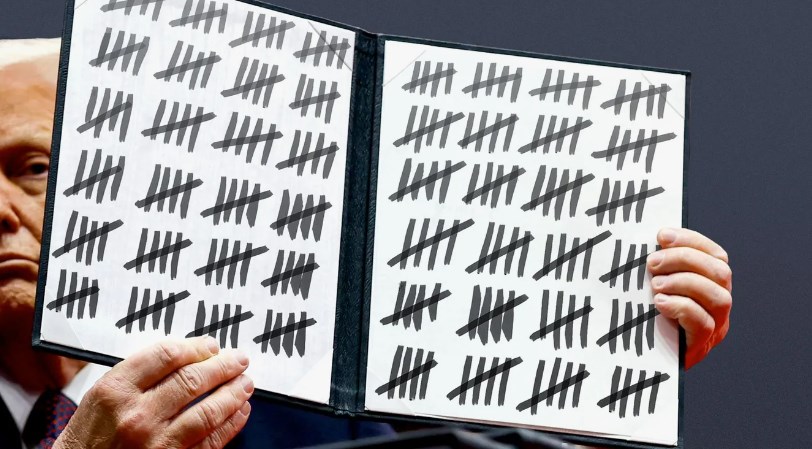
Across states like Georgia, Alabama, South Carolina, and Texas, candidates are increasingly defining themselves based on how closely they align with Trump. Some proudly embrace the former president’s agenda and rhetoric, while others carefully navigate the delicate balance between appealing to traditional conservatives and avoiding Trump’s wrath.
The stakes are especially high because the South remains the backbone of Republican electoral power. Victories here often determine momentum, fundraising strength, and national influence heading into the general election. Trump understands this better than anyone. By asserting dominance in Southern primaries, he is not only shaping the Republican Party’s future but also reinforcing his position as its undisputed leader.
One of the clearest examples of Trump’s influence can be seen in Georgia, a state that has become politically symbolic since the 2020 election. Trump has never forgiven several Georgia Republicans, including state officials who rejected his efforts to overturn the election results. Since then, he has repeatedly targeted Republicans he views as disloyal.
Georgia Governor Brian Kemp has long been one of Trump’s biggest Republican adversaries despite their shared conservative policies. Kemp resisted pressure from Trump during the 2020 election dispute, and the former president has spent years criticizing him publicly. Although Kemp survived previous Trump-backed challenges, the tension between the two men continues to symbolize the broader civil war inside the Republican Party.
Meanwhile, candidates seeking statewide office in Georgia increasingly feel compelled to seek Trump’s blessing. Political strategists say his endorsement can energize the Republican base, dominate media coverage, and scare off opponents before races even begin. In many Southern states, winning Trump’s support has become almost as important as securing campaign funding.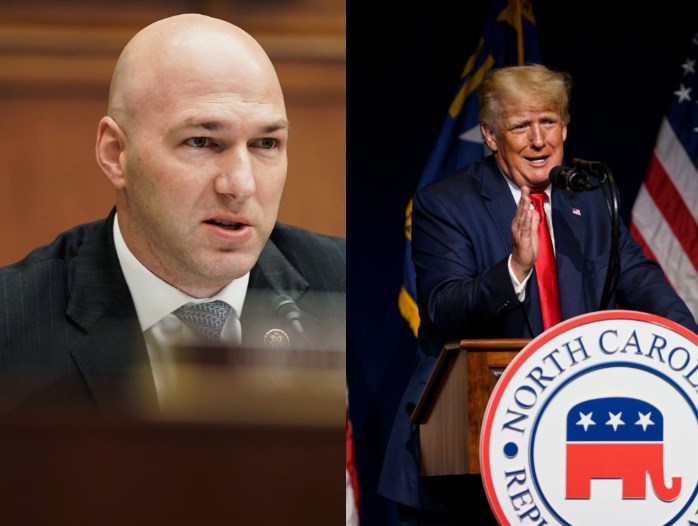
South Carolina presents another major front in Trump’s political influence campaign. Once home to establishment Republican figures who occasionally resisted Trump’s style, the state has shifted dramatically toward his brand of politics. Republican candidates now compete to demonstrate their loyalty to Trump’s agenda on immigration, trade, cultural issues, and federal power.
Senator Lindsey Graham illustrates this evolution. Once a vocal critic of Trump during the 2016 presidential campaign, Graham later became one of Trump’s strongest allies in Washington. That transformation reflected not only political survival instincts but also the changing attitudes of Republican voters across the South.
Many Republican strategists privately acknowledge that opposing Trump in a Southern primary can be politically dangerous. His supporters remain deeply loyal, viewing him as a fighter against what they see as political elites, liberal institutions, and media bias. Candidates who criticize Trump risk being labeled traitors to the conservative movement.
Still, Trump’s dominance is not without complications. Some Republicans worry that his revenge-focused political strategy could hurt the party in general elections. While hardline Trump loyalists may succeed in primaries, critics argue they can struggle with moderate voters in competitive states and suburban districts.
This concern became especially visible after several Trump-endorsed candidates underperformed in previous election cycles. In some races, Republicans who embraced Trump’s most controversial claims failed to attract independent voters, allowing Democrats to remain competitive in areas once considered safely Republican. Will Trump revenge tour determine key primaries in the South
Yet Trump’s influence continues because many Republican voters remain fiercely connected to him on a personal level. For supporters, Trump represents more than just policy positions. He symbolizes defiance, disruption, and resistance against a political system they distrust. That emotional connection gives him unusual power over Republican primaries.
In Alabama, Texas, and other Southern states, candidates increasingly adopt Trump-style rhetoric even without formal endorsements. Campaign ads emphasize border security, opposition to “woke” policies, economic nationalism, and skepticism toward federal institutions. Trump’s political language has become deeply embedded in Republican campaigning throughout the South.
At the same time, younger Republican politicians are studying Trump’s methods closely. Some hope to inherit his movement while eventually emerging as independent leaders themselves. Figures like Ron DeSantis attempted to position themselves as heirs to Trump-style conservatism, though many struggled to overcome Trump’s overwhelming grip on Republican voters.
Trump’s revenge tour is also personal. Many of the Republicans he targets once worked closely with him or benefited from his endorsement. But Trump has consistently shown that loyalty, in his view, must be absolute and ongoing. Those who distance themselves from him often become political enemies overnight.
That approach has transformed Republican politics into an environment where fear of alienating Trump supporters shapes decision-making at nearly every level. Some officeholders avoid criticizing Trump even when they disagree with him privately. Others actively seek public displays of support to protect themselves from primary challengers.
Democrats are watching these developments carefully. Some believe Trump-backed candidates could become vulnerable in statewide general elections, especially in rapidly changing Southern suburbs where college-educated voters have shifted away from hardline Republican rhetoric. Others worry that Trump’s continued popularity could strengthen Republican turnout and enthusiasm.
Political analysts also note that Trump’s influence reflects broader changes within the Republican Party. Traditional conservatism centered on limited government and business-friendly policies has increasingly merged with populist nationalism and cultural grievance politics. Southern primaries have become key arenas where this transformation plays out in real time. Will Trump revenge tour determine key primaries in the South
The question now is whether Trump’s revenge-driven strategy will ultimately strengthen or weaken Republican prospects in the South. For now, his political power remains undeniable. Candidates still line up for his endorsements, rallies still attract massive crowds, and his ability to shape headlines remains unmatched within Republican politics.
But political history shows that influence can shift quickly. Voters eventually tire of political feuds, and demographic changes across Southern states continue reshaping the electoral landscape. Younger voters, suburban communities, and growing urban populations may alter the political equation in ways that challenge Trump’s dominance over time.
Still, at this moment, Trump remains the central figure in Southern Republican politics. His endorsements can launch campaigns, destroy careers, and redefine entire elections. Whether viewed as a movement leader, kingmaker, or political avenger, Trump’s presence continues to dominate the Republican Party’s future in the South. As primary season unfolds, one reality has become impossible to ignore: in much of the South, Republican candidates are not simply running against each other. Increasingly, they are running for Trump’s approval — or trying desperately to survive without it. Will Trump revenge tour determine key primaries in the South
About the Author