Foreign ticket holders from World Cup qualifying countries won’t have to pay bonds to enter US

Foreign ticket holders from World Cup qualifying countries won’t have to pay bonds to enter US – As the countdown to the 2026 FIFA World Cup continues, millions of football fans across the globe are already making plans to travel to the United States, one of the tournament’s host nations. In a move likely to ease concerns among international visitors, U.S. officials have confirmed that foreign ticket holders from countries that qualify for the World Cup will not be required to pay proposed visa bonds to enter the country. Foreign ticket holders from World Cup qualifying
The clarification comes after weeks of confusion surrounding a pilot program introduced by the U.S. government that would have required some foreign travelers to pay refundable bonds of up to several thousand dollars when applying for tourist visas. The policy sparked concern among football supporters, travel companies, and international sports organizations, many of whom feared the extra financial burden could discourage fans from attending the world’s biggest sporting event.
Now, American officials are seeking to reassure supporters that World Cup visitors will be welcomed without the added obstacle. The 2026 FIFA World Cup is expected to become the largest edition in the tournament’s history. Hosted jointly by the United States, Canada, and Mexico, the competition will feature 48 national teams and attract millions of visitors from every continent. The United States alone is preparing for an enormous influx of tourists as cities across the country gear up to host matches, fan festivals, and global media events.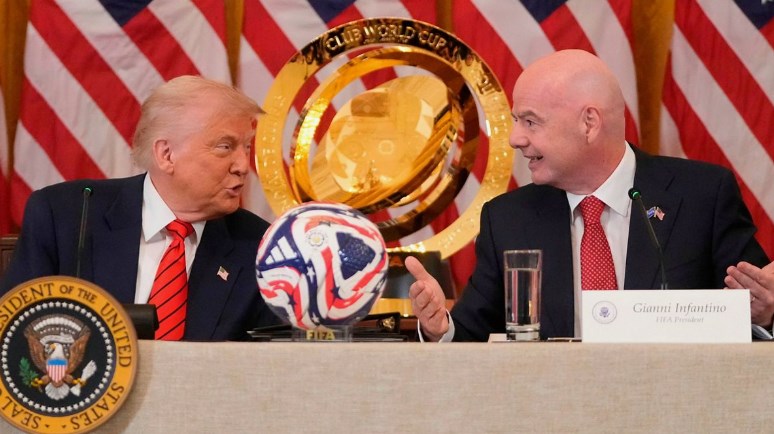
With such massive international attention, visa policies have become a critical topic. Earlier this year, the U.S. Department of State began exploring a pilot visa bond program aimed at reducing the number of travelers who overstay their visas. Under the proposal, visitors from certain countries with high visa overstay rates could have been asked to place a bond ranging from $5,000 to $15,000 before entering the country. The money would be refunded once travelers left the United States within the permitted timeframe.
While the program was designed as an immigration enforcement measure, it immediately raised alarms among sports fans and tourism groups. Critics argued that the extra costs would unfairly target visitors from developing nations and potentially prevent ordinary supporters from attending international events like the World Cup. The fear intensified after reports suggested the policy might still be active during the tournament years. However, U.S. officials have now clarified that foreign fans traveling specifically for the World Cup will not face those bond requirements if they hold valid match tickets and come from nations that successfully qualify for the tournament. Foreign ticket holders from World Cup qualifying
The decision is being viewed as both a diplomatic and economic necessity. Hosting the World Cup is not just about football. The tournament is expected to generate billions of dollars in tourism revenue for host nations. Hotels, airlines, restaurants, entertainment venues, and local businesses are preparing for one of the largest global travel events ever staged in North America.
Industry experts warned that forcing fans to pay thousands of dollars upfront would have created negative headlines and reduced attendance, especially among supporters from Africa, Asia, Latin America, and parts of the Middle East where international travel already requires significant financial sacrifice. For many football fans, attending a World Cup is a once-in-a-lifetime dream. Some supporters save money for years just to witness their national team play on the world stage. Adding a large visa bond on top of airfare, accommodation, match tickets, and transportation costs would likely have placed the experience out of reach for many.
Tourism officials also recognized the importance of maintaining a welcoming image ahead of the tournament. The United States is expected to host the majority of matches during the 2026 competition, including the final. Organizers want the event to project openness, inclusivity, and international unity rather than strict border controls and financial barriers. FIFA has also been closely monitoring the situation.
The governing body of world football places major importance on host nations guaranteeing smooth entry for players, officials, media, sponsors, and supporters. Visa complications have historically created diplomatic headaches for international tournaments, and FIFA has often worked directly with governments to simplify travel procedures during competitions.
Sources familiar with the discussions say American authorities have been coordinating with FIFA and tournament organizers to ensure fans can travel efficiently during the World Cup period. Although the bond exemption is positive news for supporters, travelers will still need to follow normal visa procedures. Fans from countries that are not part of the U.S. Visa Waiver Program must still apply for tourist visas and complete interviews at American embassies or consulates. Foreign ticket holders from World Cup qualifying
Officials are encouraging fans to apply early because visa demand is expected to surge dramatically as the tournament approaches. Processing delays could become a major issue given the anticipated volume of applications from around the world. The State Department is reportedly preparing additional staffing and expanded appointment capacity to handle the expected rush. Security will also remain a major focus. The United States has emphasized that while World Cup visitors will not face bond requirements, all travelers will still undergo standard security screening and immigration checks.
Authorities say the goal is to strike a balance between maintaining border security and creating a welcoming atmosphere for international guests. For many fans, the announcement removes one of the biggest uncertainties surrounding travel plans. Social media reactions from football supporters were largely positive, with many praising the decision as practical and necessary.
Travel agencies specializing in sports tourism also expressed relief. Companies organizing fan packages had worried that uncertainty over visa bonds would hurt bookings and create confusion among customers. With the clarification now public, agencies expect demand for World Cup travel packages to increase significantly. The 2026 tournament is already shaping up to be historic for several reasons. It will be the first World Cup hosted by three countries, the first featuring 48 teams, and potentially the most attended sporting event in history.
Major American cities including New York, Los Angeles, Dallas, Miami, Atlanta, Seattle, and others are preparing for enormous crowds. Infrastructure projects, transportation upgrades, hotel expansions, and security planning are already underway years ahead of kickoff. The tournament is also expected to provide the United States with a rare opportunity to strengthen international goodwill through sports. Government officials understand that the experience fans have while entering and traveling through the country could influence global perceptions long after the final whistle. That reality likely played a role in the decision to exempt World Cup ticket holders from the visa bond proposal.
Football supporters across the globe can now focus more on the excitement of qualification campaigns and less on fears of unexpected entry costs. For many nations still battling for a place in the tournament, the dream of seeing their teams compete in America suddenly feels a little more accessible. As qualification matches continue over the next two years, anticipation for the 2026 FIFA World Cup will only grow. And for millions of international fans hoping to be part of the spectacle, the latest visa clarification offers reassurance that the road to football’s biggest stage may be smoother than many initially feared. Foreign ticket holders from World Cup qualifying
About the Author