Qualcomm leak suggests we have entered the ludicrous era of pricey phones

Qualcomm leak suggests we have entered the ludicrous era of pricey phones – For years, smartphone prices have been climbing so gradually that most people barely noticed. A $699 flagship became $799, then $999, and eventually crossing the $1,000 mark stopped feeling shocking. But a new leak surrounding Qualcomm suggests the industry may be entering an entirely different phase — one where premium smartphones become so expensive that even longtime tech enthusiasts start questioning whether the upgrades are worth it.
According to recent reports and industry chatter, Qualcomm’s next-generation flagship mobile processor could arrive with a significantly higher price tag than previous chips. That matters because Qualcomm’s processors power many of the world’s most expensive Android phones, including devices from Samsung, Xiaomi, OnePlus, and Honor. When Qualcomm raises prices, manufacturers almost always pass those costs directly to consumers.
And if the leaks are accurate, the next wave of flagship phones may officially push the smartphone market into what can only be described as the ludicrous era of pricing. Not long ago, buying a premium smartphone for around $700 felt expensive. Today, top-tier foldables can cost more than a decent gaming laptop. Some ultra-premium models already flirt with the $2,000 mark, especially when buyers add larger storage configurations. What once seemed outrageous has slowly become normalized.
The problem is that hardware improvements are no longer evolving at the same dramatic pace as prices. Ten years ago, every new smartphone generation introduced visible leaps in speed, camera quality, battery life, and display technology. Consumers could easily justify upgrading because the difference between an older device and a new flagship was obvious. Now, those improvements are increasingly incremental.
Modern flagship phones are already incredibly powerful. Apps open instantly. Cameras produce professional-looking photos. Displays are bright, sharp, and smooth. Batteries generally last all day. For many users, a three-year-old premium phone still performs perfectly well for everyday tasks. That reality creates a dangerous situation for smartphone makers. If consumers no longer feel a strong need to upgrade every year, companies need new ways to maintain profits. One obvious strategy is raising prices.
Qualcomm sits at the center of this ecosystem. Its Snapdragon processors are the brains inside many Android flagships, and manufacturers compete fiercely to market devices featuring the newest chip. If Qualcomm’s component costs rise substantially, brands face difficult choices: absorb the extra expense and reduce profit margins, or increase retail prices even further.
Most companies choose the second option. That means consumers could soon see standard flagship phones creeping toward prices that once belonged exclusively to foldables or luxury editions. A regular high-end Android phone priced at $1,400 may soon stop sounding unrealistic.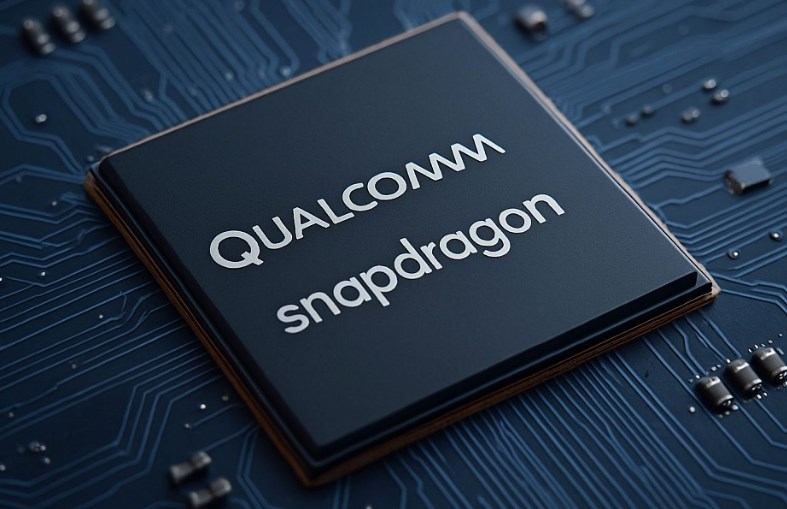
The irony is that smartphone innovation itself is partially responsible for this pricing spiral. Chip development has become extraordinarily expensive. Modern processors rely on cutting-edge manufacturing techniques that require billions of dollars in research and infrastructure. Producing smaller, more powerful chips is no longer easy or cheap. Artificial intelligence is also contributing to the problem. Qualcomm leak suggests we have entered the ludicrous era of pricey phones
Every major tech company is now racing to market AI-powered smartphone features. Whether it’s advanced image processing, live translation, AI assistants, or generative photo editing, these capabilities require increasingly powerful hardware. Qualcomm is heavily investing in AI-focused chips, and those costs inevitably filter down into the final product price.
Manufacturers are betting that consumers will accept higher prices if phones can deliver futuristic AI experiences. But there’s growing skepticism about whether buyers actually care enough. Many AI smartphone features introduced over the last year have felt more like marketing demonstrations than must-have tools. Features such as AI wallpaper generation, automated summaries, or synthetic photo editing are interesting in short bursts, but they rarely transform how people use their devices daily.
Consumers may eventually ask an uncomfortable question: why pay hundreds more for features they barely use?. That question becomes even more relevant when economic pressures remain high around the world. Inflation has already increased the cost of groceries, housing, transportation, and entertainment. In that environment, convincing people to spend laptop-level money on a smartphone becomes increasingly difficult.
The premium smartphone market is starting to resemble the luxury car industry. Companies are no longer designing products solely for mainstream consumers. Instead, they are targeting buyers willing to pay almost any price for prestige, exclusivity, or cutting-edge technology. Foldable phones perfectly illustrate this shift.
When foldables first appeared, many analysts assumed prices would quickly fall as the technology matured. Instead, foldables remain extremely expensive, and some brands seem comfortable keeping them that way. Rather than becoming mainstream products, foldables are evolving into status symbols. Traditional flagship phones may now follow a similar path.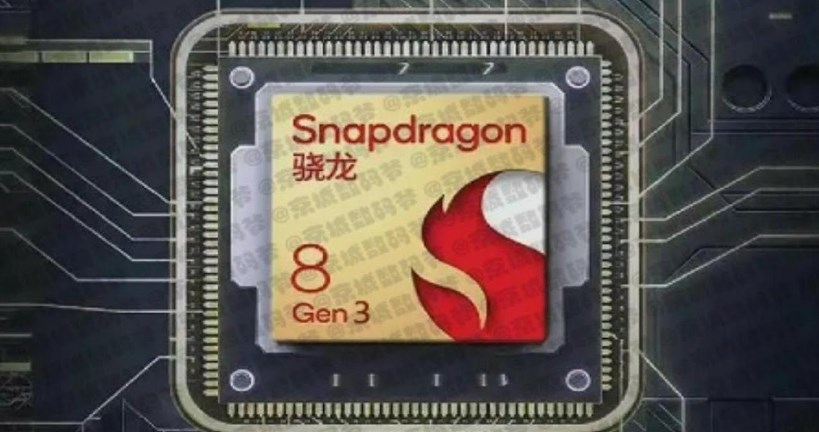
At the same time, the mid-range smartphone market has improved dramatically. Phones costing between $300 and $600 now offer features that were once reserved for flagships: high-refresh-rate displays, solid cameras, large batteries, and surprisingly strong performance. For average users, the value proposition of flagship devices is becoming harder to defend.
This could eventually reshape the entire smartphone industry. Instead of annual upgrades, consumers may start keeping phones for four, five, or even six years. Refurbished and second-hand markets could grow significantly stronger. Repairability may also become more important as buyers try to extend device lifespans rather than replace them frequently.
Interestingly, even major companies appear aware of this shift. Both Apple and Samsung have recently emphasized longer software support policies. Some flagship devices now promise up to seven years of updates, which would have sounded absurd only a few years ago. That strategy serves two purposes. It reassures consumers that expensive phones are long-term investments, and it quietly acknowledges that fewer people are upgrading annually. Still, there’s a limit to how far pricing can climb before consumers push back.
The smartphone industry has spent years convincing buyers that phones are essential lifestyle products deserving premium pricing. But there’s a psychological threshold where consumers begin comparing smartphones to other major purchases. Once a phone costs as much as a vacation, a gaming PC, or several months of rent in some regions, people naturally become more cautious. Qualcomm leak suggests we have entered the ludicrous era of pricey phones
Qualcomm’s rumored pricing changes may not singlehandedly create this situation, but they highlight how fragile the current flagship market has become. The industry keeps adding costs while delivering smaller practical improvements. At some point, consumers may simply stop playing along. That doesn’t mean premium phones will disappear. There will always be enthusiasts willing to pay top dollar for the latest hardware. But the mainstream audience — the millions of people who once upgraded every two years without hesitation — may finally be reaching their limit. And if that happens, the smartphone industry could face a major identity crisis.
For over a decade, flagship phones represented the pinnacle of personal technology progress. They symbolized innovation, speed, and the future itself. But as prices continue soaring into increasingly absurd territory, that excitement risks turning into frustration. The danger for companies like Qualcomm and smartphone manufacturers is not merely that phones become expensive. It’s that consumers begin to feel exploited rather than inspired. Once that perception takes hold, no amount of AI marketing or flashy launch events may be enough to reverse it. Qualcomm leak suggests we have entered the ludicrous era of pricey phones
About the Author