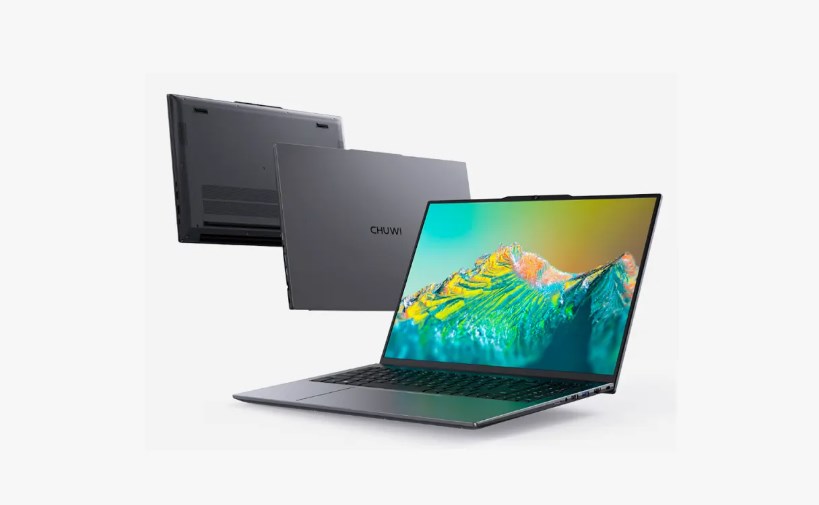
Chuwi’s CoreBook Air wants to be the rare ultra-light Copilot+ laptop without an outrageous price – As the race to build thinner, lighter, and smarter AI-powered laptops heats up, one problem continues to frustrate many buyers: price. Most of the new Copilot+ PCs arriving on the market are packed with impressive features, but they also come with premium price tags that put them out of reach for students, casual users, and budget-conscious professionals. That’s exactly the gap Chuwi appears to be targeting with its latest device, the CoreBook Air.
The Chinese tech company is positioning the new laptop as an affordable ultra-light machine that still embraces Microsoft’s growing Copilot+ AI ecosystem. And in a market increasingly dominated by expensive flagship devices from brands like Microsoft, Dell, HP, and Lenovo, Chuwi’s approach could appeal to users who simply want a capable everyday laptop without spending a fortune.
At first glance, the CoreBook Air looks surprisingly polished for a budget-friendly machine. The design leans heavily into the minimalist ultrabook aesthetic that has become popular in recent years. It features a slim aluminum body, lightweight construction, and a clean modern appearance that feels more premium than many laptops in its price range. Chuwi clearly wants the device to compete visually with higher-end ultraportables, even if it costs significantly less.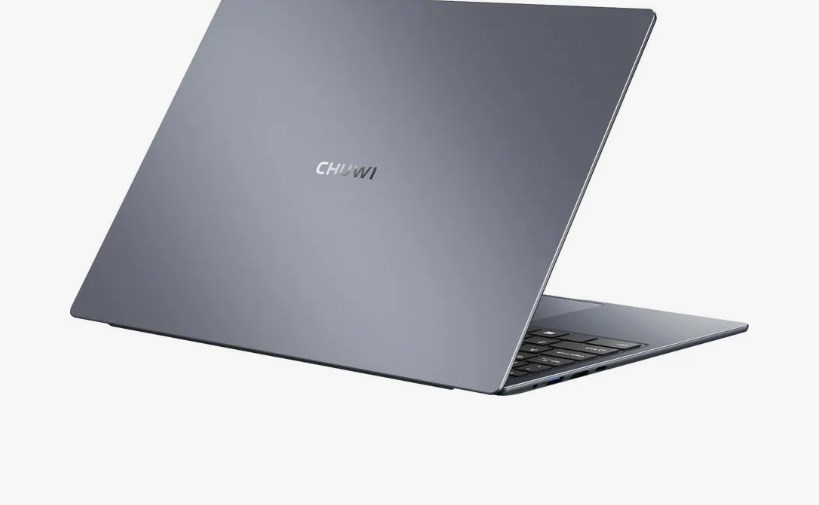
One of the biggest selling points is portability. The laptop is designed for people who carry their devices everywhere — students moving between classes, remote workers traveling between cafés and offices, or commuters who need something compact enough to fit comfortably into a backpack. Ultra-light laptops have traditionally been associated with premium pricing, largely because of the engineering required to balance thinness, battery life, and performance. Chuwi’s attempt to bring that experience to a lower price bracket could make the CoreBook Air stand out in a crowded market.
The timing is also important. The launch comes as Microsoft continues pushing its Copilot+ PC initiative, which aims to bring more AI-powered features directly into Windows laptops. These new-generation devices are designed to handle AI tasks more efficiently through dedicated neural processing units, or NPUs. Features like live transcription, AI image generation, smarter search tools, productivity assistance, and real-time language processing are becoming central selling points for modern laptops.
For many consumers, however, there’s been a growing concern that AI laptops are becoming luxury products. Devices branded as Copilot+ PCs often debut with premium processors and high-end specifications, pushing prices well above what average buyers may want to spend. Chuwi appears to understand that frustration and is trying to position the CoreBook Air as a more accessible alternative. Chuwi’s CoreBook Air wants to be the rare ultra-light Copilot+ laptop without an outrageous price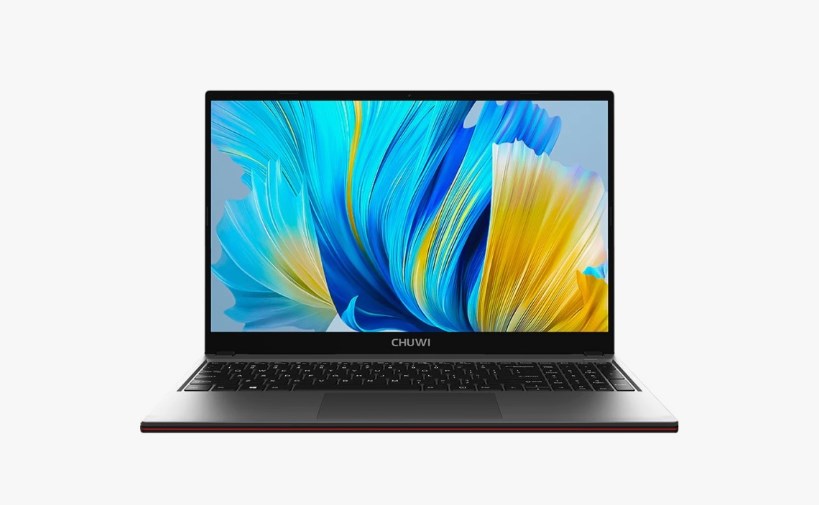
That doesn’t mean the laptop is trying to compete directly with top-tier performance machines. Instead, it seems aimed at practical users who prioritize portability, everyday productivity, and decent battery life over heavy gaming or professional-grade creative workloads. The CoreBook Air is likely better suited for web browsing, streaming, office work, online classes, and light multitasking rather than advanced video editing or demanding 3D rendering.
Still, the inclusion of AI-focused functionality could make the laptop feel more future-ready than older budget devices. Many lower-cost laptops tend to feel outdated quickly because they lack support for newer software features. By leaning into Microsoft’s AI ecosystem, Chuwi may be trying to give buyers a budget laptop that won’t immediately feel obsolete as AI tools become increasingly integrated into daily computing.
Another reason the device is attracting attention is because Chuwi has built a reputation around offering surprisingly affordable hardware. While the brand does not have the same global recognition as giants like Apple or ASUS, it has gained a following among users looking for lower-cost alternatives to mainstream laptops and tablets. Some buyers see the company as a hidden gem in the budget tech world, while others remain cautious about long-term reliability and support.
That balance between affordability and trust is likely to shape reactions to the CoreBook Air. Consumers today are more informed than ever, and many are willing to research specifications carefully before buying. A low price alone is no longer enough. Buyers want good build quality, dependable battery performance, decent keyboards, quality displays, and reliable customer support. Chuwi’s challenge will be convincing users that the CoreBook Air can deliver enough of those essentials while still remaining affordable.
Battery life may become one of the laptop’s most important features. Modern ultra-light laptops are expected to last through a full day of classes or work sessions without constantly searching for a charger. AI-powered systems can sometimes place additional demands on hardware, so efficiency becomes crucial. If the CoreBook Air manages to provide solid endurance alongside lightweight portability, it could strengthen its appeal significantly.
The display is another area where budget laptops often struggle. Many affordable devices cut costs by using dim screens or lower-quality panels. If Chuwi manages to provide a bright, sharp display with decent color reproduction, it would help the CoreBook Air feel more competitive against pricier ultrabooks. Consumers increasingly use laptops for both productivity and entertainment, so screen quality matters more than ever.
Performance expectations also need to remain realistic. Buyers searching for a budget Copilot+ laptop are probably not expecting workstation-level power. What they do want is smooth day-to-day usability without lag or frustration. Fast startup times, responsive multitasking, quiet operation, and stable performance during common tasks are often more important for mainstream users than benchmark numbers.
The broader significance of the CoreBook Air may extend beyond the laptop itself. It reflects a larger shift happening in the PC industry right now. Artificial intelligence is quickly becoming the next major marketing battlefield for computer manufacturers, much like touchscreen devices, gaming laptops, and ultraportables were in previous years. Companies are racing to prove their devices are “AI-ready,” but many consumers remain unsure whether those features justify the rising costs. Chuwi’s CoreBook Air wants to be the rare ultra-light Copilot+ laptop without an outrageous price
That uncertainty creates an opportunity for brands like Chuwi. If consumers become interested in AI-powered laptops but unwilling to spend premium prices, affordable alternatives could gain traction quickly. In many ways, the CoreBook Air represents an attempt to democratize AI computing — offering at least some next-generation features without demanding flagship-level budgets.
Of course, success will depend heavily on real-world performance and user experience. Spec sheets and marketing promises only go so far. Reviews, customer feedback, and long-term reliability will ultimately determine whether the laptop becomes a breakout success or just another overlooked budget device.
Still, the concept behind the CoreBook Air feels timely. Many people are excited about AI-enhanced computing but are also dealing with rising living costs and tighter technology budgets. A lightweight Copilot+ laptop that doesn’t cost a small fortune could genuinely appeal to students, freelancers, remote workers, and everyday users who simply want a modern, portable device without financial regret.
In a market where AI laptops are increasingly associated with premium pricing, Chuwi is betting that affordability itself can become a competitive advantage. Whether the CoreBook Air fully delivers on that promise remains to be seen, but one thing is already clear: there is growing demand for AI-powered laptops that ordinary people can actually afford. Chuwi’s CoreBook Air wants to be the rare ultra-light Copilot+ laptop without an outrageous price
About the Author