Trump claims Virginia redistricting vote was ‘rigged’ without evidence – In the wake of a heated political development in Virginia, former U.S. President Donald Trump has once again ignited national debate by asserting that a recent redistricting vote in the state was “rigged.” The assertion, made without accompanying proof, has revived familiar conflicts over election integrity, political rhetoric, and the broader health of democratic institutions in the United States.
A Familiar Pattern of Claims
Trump’s remark follows a pattern that has been emblematic of his political rhetoric in recent years. Since the aftermath of the 2020 United States presidential election, he has regularly questioned the legitimacy of numerous electoral procedures, often without giving solid proof. His current statements concerning Virginia’s redistricting process appear to follow the same strategy—raising concerns in the absence of confirmed charges.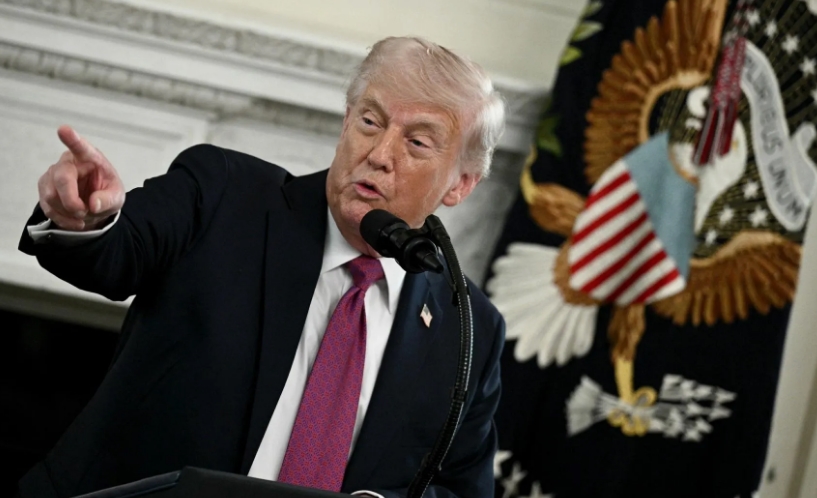
The redistricting vote itself is part of a legally mandated procedure that occurs after each census, aiming at redrawing electoral district borders to reflect population changes. In Virginia, this process has been particularly sensitive, as shifting demographics and political balances can dramatically influence future election outcomes.
Understanding Redistricting in Virginia
Redistricting is not a new or exceptional event. Every ten years, states across the U.S. reevaluate their congressional and legislative districts using revised census data. In Virginia, revisions implemented in recent years were aimed to make the process more transparent and less susceptible to partisan gerrymandering. A bipartisan commission was formed to oversee the drafting of district lines, with the purpose of avoiding political bias.
Despite these protections, conflicts are widespread. Political parties regularly argue over proposed maps, saying that specific boundaries may unjustly favor one side. However, such disagreements are normally addressed through legal channels, public hearings, and, where required, court intervention. Trump’s accusation that the vote was “rigged,” however, goes beyond typical political disagreement. It denotes deliberate manipulation—an charge that bears serious implications but requires equally serious evidence to sustain it.
Reaction from Officials and Experts
State officials and election experts were quick to reply. Many underlined that there is no credible evidence indicating any misconduct in the redistricting vote. Election administrators reminded out that the process was handled under established standards, with oversight measures in place to ensure fairness and accountability.
Legal experts also emphasized that suspicions of rigging, if confirmed, would normally lead to formal investigations or court challenges. In this case, no such legal cases have been successfully pursued based on Trump’s statements.
Critics contend that making such pronouncements without evidence can weaken public trust in democratic regimes. When high-profile persons doubt the legitimacy of political procedures, it can create confusion and distrust among voters—even when those processes are functioning as intended.
Political Strategy or Genuine Concern?
Supporters of Trump often consider his words as a sort of political vigilance, believing that challenging the system is vital to maintain responsibility. They regard his rhetoric as part of a bigger campaign to confront what they perceive as entrenched political interests.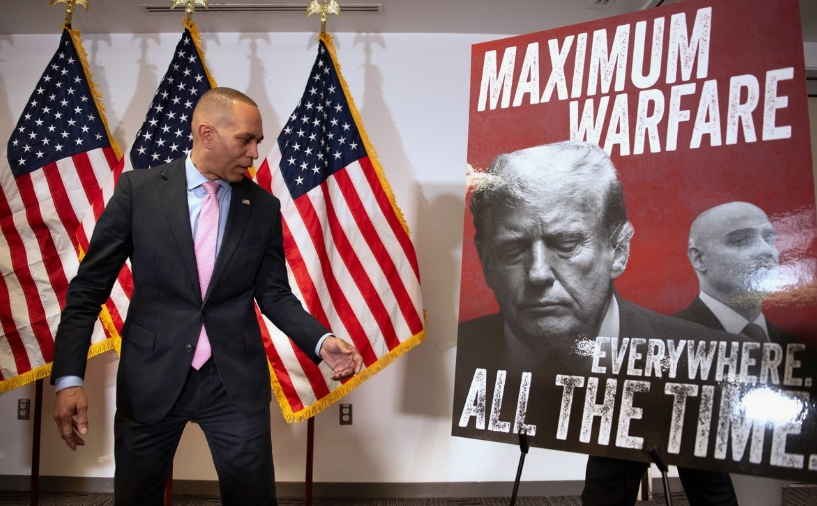
On the other side, detractors warn that persistent, unverified charges of electoral fraud risk fostering suspicion. They suggest that such utterances blur the boundary between legitimate examination and misinformation, thereby eroding faith in democratic institutions over time.
The truth may lay somewhere in the broader backdrop of American politics, where distrust has been developing across party lines. Polls in recent years have indicated that confidence in elections varies greatly depending on political affiliation, showing rising division. Trump claims Virginia redistricting vote was ‘rigged’ without evidence
The Broader Impact on Democracy
The debate surrounding Trump’s remarks reveals a wider issue: the role of words in shaping public opinion. In a media world driven by rapid information exchange, remarks by powerful persons can travel swiftly, frequently reaching millions before being fact-checked or contextualized.
This dynamic places a higher burden on political leaders to communicate carefully and accurately. While challenging government processes is a vital part of political engagement, doing so without evidence can have unexpected repercussions. For many voters, the frequent framing of elections or procedural votes as “rigged” may lead to disengagement or skepticism. Others may grow more entrenched in their convictions, thereby increasing political divides.
Historical Context of Election Disputes
It’s worth recalling that conflicts over electoral methods are not new in American history. From contentious elections in the 19th century to recent legal disputes over voting restrictions, conflicts have long been part of the democratic system. What distinguishes recent years, however, is the quantity and endurance of statements made without substantiating data. The aftermath of the 2020 election set a pattern for how such narratives can gain traction, affecting political discourse even beyond a single event. Trump’s current comments on Virginia can be understood as part of this ongoing trend, where allegations—regardless of their factual basis—become a fundamental feature of political communication. Trump claims Virginia redistricting vote was ‘rigged’ without evidence
Media Coverage and Public Response
Media sources have approached the story with varied viewpoints. Some have focused on the paucity of evidence behind Trump’s allegations, while others have underlined the political consequences and reactions from diverse stakeholders. Public response has been similarly mixed. Supporters of Trump have repeated his worries on social media, while detractors have pushed back, pushing for greater accountability in political debate.
This disparity emphasizes the problems of bridging truth and perception in today’s information landscape. Even when official declarations and professional assessments refute certain claims, public opinion may still be impacted by preexisting views and associations.
Looking Ahead
As Virginia continues forward with its redistricting plans, the immediate impact of Trump’s comments may be limited in terms of policy or legal results. However, the bigger ramifications are likely to endure. The experience serves as a reminder of the necessity of evidence-based conversation in a functioning democracy. It also underscores the necessity for transparency, education, and involvement to retain public faith in election institutions. Ultimately, the effectiveness of democratic institutions rests not just on laws and procedures but also on the commitment of leaders and individuals alike to uphold principles of truth and accountability. Trump claims Virginia redistricting vote was ‘rigged’ without evidence
Conclusion
Trump’s allegation that the Virginia redistricting vote was “rigged” without evidence is more than just a political statement—it’s part of a bigger discourse about trust, responsibility, and the role of hyperbole in modern democracy. While such assertions may appeal with certain audiences, they also raise important considerations concerning the influence of unconfirmed allegations on public confidence.
As disputes over elections and administration continue, one fundamental remains essential: charges of malfeasance must be substantiated by verifiable facts. Without such foundation, the boundary between real concern and harmful misinformation becomes increasingly impossible to distinguish—leaving both institutions and the public to manage the repercussions. Trump claims Virginia redistricting vote was ‘rigged’ without evidence
About the Author