Negotiations on shaky ground as US seizes Iranian ship – Timing, trust, and a delicate balance of interests are all important factors in diplomacy. Even the best-planned discussions can go awry if any of these factors are compromised. This is exactly the scenario that has emerged following the US seizure of a ship with ties to Iran, an event that has affected already delicate diplomatic efforts. As both sides negotiate growing tensions, internal pressures, and international attention, what may have once been a limited window for communication now feels uncertain.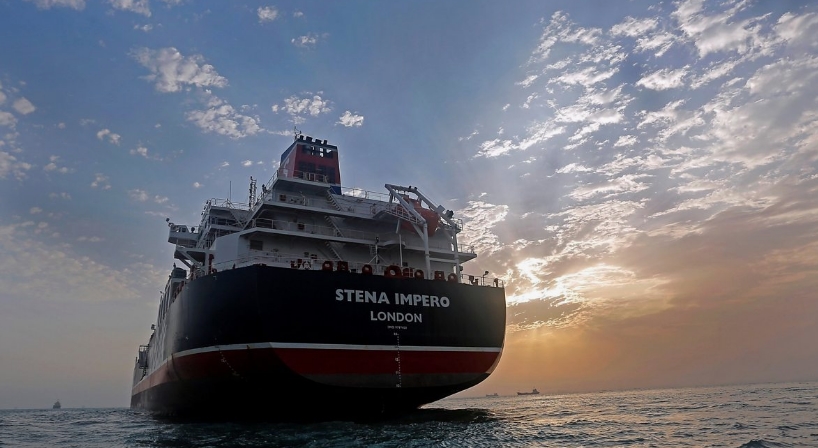
The relationship between the United States and Iran, which has been defined by decades of mistrust, political competition, and competing geopolitical objectives, is at the core of the problem. Negotiations to resume had already been moving gingerly, especially with regard to nuclear accords and regional stability. There was at least a mutual awareness that communication was still required, even though neither side anticipated an immediate breakthrough. However, that road has been greatly hampered by the vessel’s capture.
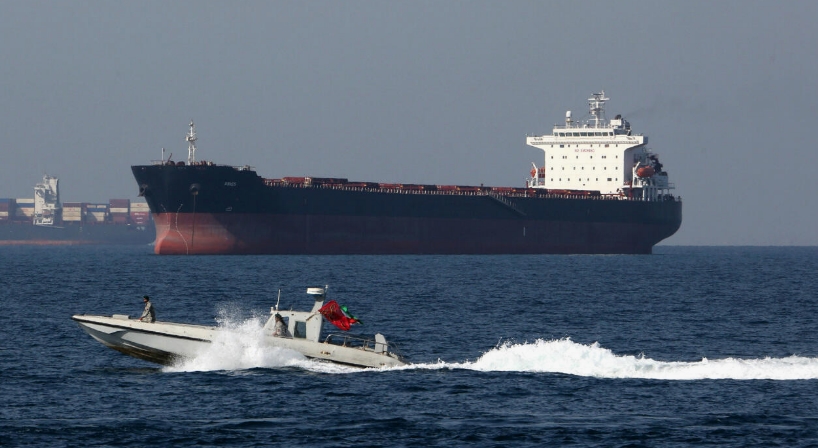
The choice to seize the ship was presented by the United States as an enforcement action related to sanctions, maritime law, and national security considerations. Officials contend that for such actions to go undetected would weaken international laws and encourage more infractions. In this context, the seizure was meant to be a statement of consistency rather than a provocation: norms must be followed once they are established.
But diplomacy hardly occurs in a legal reasoning vacuum. Iran has seen the action in a completely different light. Iranian authorities, who saw the measure as yet another instance of pressure tactics meant to weaken their position, have denounced it as aggressive and unwarranted. Such acts can swiftly intensify discourse and harden positions in a political environment where public opinion and patriotism play significant roles. The tone eventually changes from cautious optimism to guarded mistrust, even if negotiations go on.
The timing of this time makes it very risky. Even a small amount of goodwill is necessary for negotiations, particularly when they involve complicated subjects like nuclear policy, sanctions relief, and regional security. While perfect trust is not necessary, there must be a sense of mutual willingness to interact in a positive way. Negotiators find it more difficult to defend compromise to their different audiences when events like the seizure shatter that brittle trust.Negotiations on shaky ground as US seizes Iranian ship
The situation is further complicated by domestic politics. Policymakers in the US must strike a balance between domestic demands for responsibility and strength and diplomatic objectives. Overly harsh behavior runs the risk of completely ruining discussions, while being excessively forgiving could draw criticism. Similar demands are placed on Iranian officials, who must show resiliency in the face of outside criticism while also addressing economic issues that could be resolved through negotiations. Every exterior action, such as the capture of a ship, has increased significance due to these internal dynamics.
The international community is keeping a careful eye on the situation in addition to the two immediately engaged nations. Particularly in Europe and the Middle East, allies and partners have a stake in how these talks turn out. Security alliances and energy markets are all impacted by regional stability. Numerous actors have urged ongoing communication and advised both parties to refrain from taking any steps that would worsen tensions. However, their impact is restricted; in the end, the course will be determined by the choices taken in Tehran and Washington.
The role of enforcement operations during ongoing discussions is another more general concern. On the one hand, trustworthiness may be damaged if regulations are not upheld. However, tight enforcement during delicate times can impede diplomatic advancement. In international relations, finding the ideal equilibrium is a recurring problem. Critics contend that the timing of the seizure in this instance may have been detrimental, giving those who are completely opposed to engagement more justification.
It would be premature to call negotiations completely derailed in spite of these difficulties. Diplomatic procedures are frequently tenacious, able to withstand setbacks and carry on, albeit more slowly and challengingly. There are compelling reasons for both Iran and the United States to maintain open lines of communication. Preventing nuclear escalation and preserving regional stability continue to be top concerns for the United States. Relief from diplomatic isolation and economic sanctions is a major motive for Iran.
Therefore, the question is not whether or if negotiations will continue, but rather under what circumstances. Once damaged, trust is difficult to rebuild. It calls for steady behavior over time—indications that both parties are prepared to act honestly. This could entail taking steps to foster trust, communicating indirectly through middlemen, or making minor agreements that set the stage for bigger ones. Although none of these actions are quick or simple, they are crucial for regaining momentum. Negotiations on shaky ground as US seizes Iranian ship
The role of miscalculation is another issue to take into account. Actions meant to be protective or normal may be perceived as aggressive or offensive in tight situations. This danger emphasizes how crucial it is to communicate clearly, especially in hostile interactions. Without it, miscommunications can turn into more serious disputes, making any prospect of settlement even more difficult.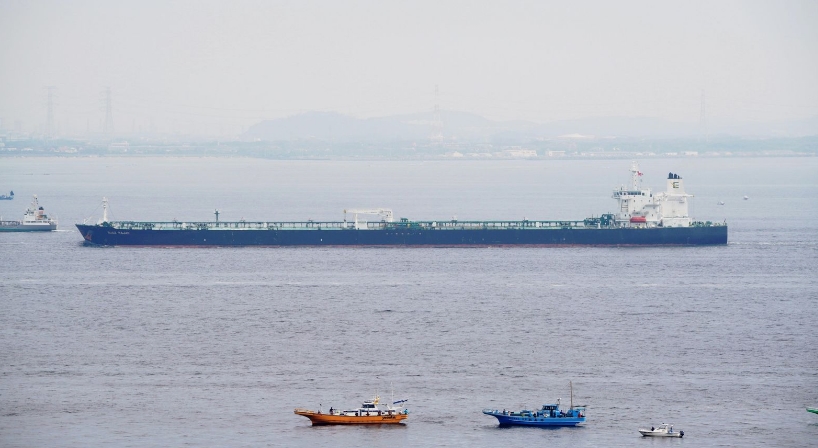
In the end, the capture of the ship with ties to Iran serves as a reminder of how brittle diplomacy can be. Rarely is progress linear; instead, it is molded by obstacles, modifications, and stressful times. How those moments are handled is what counts most. Negotiations may come to a standstill if both parties let this incident dictate how they will proceed. However, there is still a way forward if they approach it as a task to overcome rather than an insurmountable obstacle.
The world will be keeping an eye on how each party decides to move forward in the upcoming weeks. Will rhetoric intensify, obstructing communication channels? Or will negotiations continue through more subdued, behind-the-scenes work? In addition to strategic considerations, political will—the will to put long-term results ahead of immediate reactions—will determine the solution.
Fundamentally, diplomacy is an exercise in perseverance and patience. It necessitates that leaders look beyond current provocations and concentrate on more general objectives. Unquestionably, the current scenario is challenging, but it is not unprecedented. Numerous instances of negotiations that persevered through difficult times and resulted in significant agreements may be found throughout history.
It’s unclear if this circumstance takes a similar course. But it’s obvious that the stakes are huge. The choices made today will affect the stability of the whole region as well as the future of U.S.-Iranian ties. Every action—and every response—matters in such a situation. Negotiations are currently on shaky ground. Despite tests, the foundation has not yet collapsed. Whether it can be strengthened or whether the cracks will get too big to fix depends on what occurs next. Negotiations on shaky ground as US seizes Iranian ship
About the Author