Tesla’s rare Signature Edition cars come with a resale trap
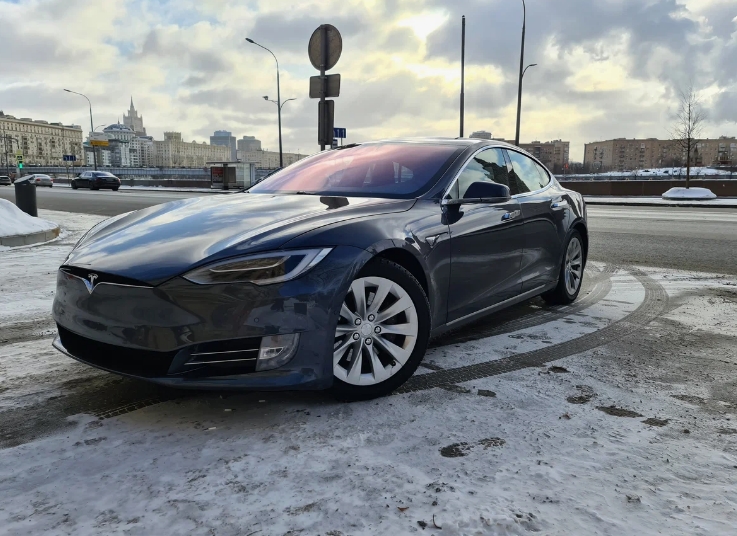
Tesla’s rare Signature Edition cars come with a resale trap – There’s something undeniably alluring about exclusivity. Limited-edition products—especially in the automotive world—carry a certain prestige that goes beyond performance or design. For fans of Tesla, the coveted “Signature Edition” vehicles represent the pinnacle of that exclusivity. These early-production models, often tied to the launch of a new Tesla lineup, promise not just cutting-edge technology but also a sense of belonging to a select group of first adopters. Tesla’s rare Signature Edition cars come with a resale trap
But beneath the sleek surfaces and premium branding, there’s a lesser-known catch. Owners of these rare Signature Edition Teslas may find themselves caught in an unexpected resale trap—one that complicates what should otherwise be a straightforward process of selling a high-value car.
The Allure of Signature Edition Teslas
When Tesla launches a new model, it often introduces a limited batch of “Signature Series” vehicles. These are typically the first units off the production line, offered to loyal customers and early supporters of the brand. Buyers pay a premium price for early access, unique badging, and sometimes exclusive features or configurations not available in standard models.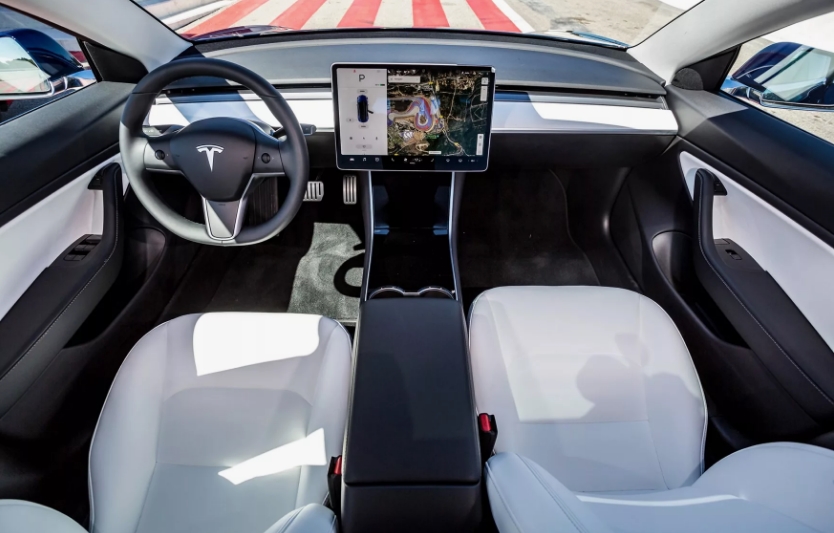
For example, early versions of vehicles like the Tesla Model S Signature Series or the Tesla Model X Signature Series came with distinctive interior accents, numbered plaques, and priority delivery. For many buyers, the appeal isn’t just about the car—it’s about being part of Tesla’s story. This emotional and symbolic value often leads owners to believe these vehicles will hold—or even increase—their resale value over time, much like rare collector cars from legacy automakers.
The Unexpected Resale Clause
However, Tesla’s approach to ownership has always been unconventional, and that extends to resale policies. In some cases, Signature Edition buyers have discovered contractual restrictions that limit their ability to freely sell their vehicles .
.
These restrictions can include clauses that give Tesla the right of first refusal—meaning the company can choose to buy back the vehicle before the owner can sell it to a third party. In other instances, owners may be prohibited from reselling the car within a certain time frame without facing penalties.
While such clauses are not always highlighted prominently during the excitement of purchase, they can significantly impact an owner’s flexibility later on. What initially feels like an elite privilege can become a logistical headache when it’s time to move on.
Why Tesla Does This
From Tesla’s perspective, these resale controls serve multiple purposes. First, they help prevent speculative buying. Without restrictions, some individuals might purchase limited-edition vehicles solely to flip them for a quick profit, driving up prices and limiting access for genuine enthusiasts. Tesla’s rare Signature Edition cars come with a resale trap
Second, Tesla is deeply invested in controlling its brand image. By managing how and when its rare vehicles enter the secondary market, the company can maintain a sense of exclusivity and avoid inflated resale prices that might distort public perception.
There’s also a technological factor. Tesla vehicles are heavily software-driven, with features that can change over time via updates. By maintaining some control over ownership transitions, Tesla ensures that vehicles remain within its ecosystem and comply with its evolving software policies.
The Reality for Owners
For owners, the reality can be frustrating. Imagine paying a premium for a rare vehicle, only to find that selling it later isn’t entirely up to you. Even if Tesla doesn’t exercise its buyback option, the mere existence of such clauses can deter potential buyers who prefer a simpler transaction.
Additionally, resale value may not align with expectations. While Signature Edition Teslas are rare, they don’t always behave like traditional collector cars. The rapid pace of technological advancement in electric vehicles means that newer models can quickly overshadow older ones, even limited editions.
For instance, improvements in battery range, charging speed, and autonomous driving capabilities can make a newer standard model more appealing than an older Signature Edition. This dynamic can put downward pressure on resale prices, despite the vehicle’s rarity. Tesla’s rare Signature Edition cars come with a resale trap
A Shift in the Automotive Landscape
Tesla’s resale policies highlight a broader shift in how cars are bought, owned, and sold. Unlike traditional automakers, Tesla operates more like a tech company, with a focus on software, direct sales, and ecosystem control.
This approach challenges long-standing assumptions about car ownership. In the past, once you bought a car, it was entirely yours to do with as you pleased. Today, especially with companies like Tesla, ownership can come with conditions that extend beyond the initial purchase.
Other automakers are beginning to explore similar models, particularly as vehicles become more connected and software-dependent. Subscription features, over-the-air updates, and digital ownership rights are all reshaping the landscape.
What Buyers Should Know
For anyone considering a Signature Edition Tesla—or any limited-edition vehicle—it’s essential to read the fine print carefully. Understanding resale restrictions, buyback clauses, and other contractual details can prevent unpleasant surprises down the line.
Prospective buyers should also think realistically about resale value. While exclusivity can add appeal, it doesn’t guarantee appreciation. In a fast-moving industry like electric vehicles, technological relevance often matters more than rarity.
It’s also worth considering your long-term plans. If you’re the type of owner who likes to upgrade frequently, a vehicle with resale restrictions may not be the best fit. On the other hand, if you plan to keep the car for many years, these limitations may be less significant.
The Emotional vs. Practical Trade-Off
Ultimately, owning a Signature Edition Tesla is as much an emotional decision as it is a financial one. There’s a unique satisfaction in being among the first to experience a new model, in driving a car that represents a milestone in automotive innovation.
But that emotional appeal comes with practical considerations. The resale trap isn’t necessarily a dealbreaker, but it’s a factor that deserves careful thought. For some, the exclusivity and early access will outweigh any downsides. For others, the limitations on resale may feel like an unnecessary constraint on what should be a straightforward ownership experience. Tesla’s rare Signature Edition cars come with a resale trap
Final Thought
Tesla’s Signature Edition vehicles embody the company’s bold, unconventional approach to the automotive industry. They offer a glimpse into the future of mobility, wrapped in a package of exclusivity and innovation. Yet, they also reveal the complexities of modern car ownership. The resale trap serves as a reminder that in today’s automotive world, buying a car isn’t just about horsepower or design—it’s about navigating a web of policies, technologies, and evolving norms.
For buyers, the key is awareness. Know what you’re signing up for, weigh the pros and cons, and decide whether the prestige of a Signature Edition is worth the potential limitations. Because sometimes, the rarest cars come with the most unexpected strings attached. Tesla’s rare Signature Edition cars come with a resale trap
About the Author