US blocks Iran-linked ships, musters forces in Middle East – The Middle East’s waterways, which have long served as a theater for geopolitical conflict, are now again at the center of world turmoil. The United States has dramatically escalated its actions by blocking ships associated with Iran while concurrently sending substantial military force throughout the region.
The action represents a change from tense diplomacy to a more forceful approach meant to put economic and military pressure on Tehran. A significant amount of the world’s oil supply passes through the Strait of Hormuz, a critical route at the center of this conflict. This chokepoint has always been a potent lever to control, and it is now the focal point of a high-stakes standoff.
An Increasingly Dangerous Blockade
Targeting maritime activity linked to Iranian ports, the United States has successfully launched a naval blockade. This action is a deliberate attempt to sabotage Iran’s economic lifelines rather than a conventional full-scale blockage of international waterways. Iranian ports are now open to interception, inspection, or outright refusal of passage for ships that have docked there or are on their way there.
This tactic comes after diplomatic talks to reduce tensions and create a framework for de-escalation failed. Washington has turned to economic coercion in an attempt to cut off the sources of income that support Iran’s government and military operations after negotiations failed to yield results.
There are already repercussions from the blockade. Iran may lose billions of dollars per month, according to analysts, as shipping companies reevaluate routes that could expose them to U.S. enforcement actions and trade channels are disrupted.
A military buildup indicates preparedness
The United States has put up a strong military presence in the area in addition to the marine crackdown. To maintain operational control and execute the blockade, over a dozen warships, including guided-missile destroyers, an aircraft carrier, and amphibious assault vessels, have been stationed.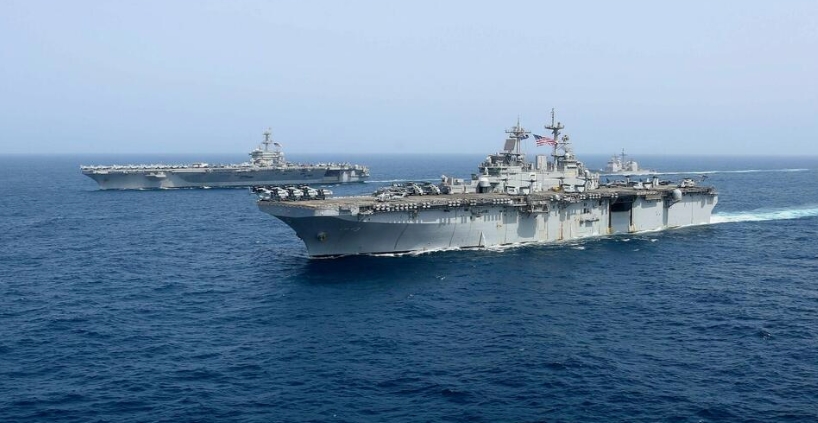
These forces are more than just metaphors. They can stop, investigate, and possibly seize vessels suspected of breaking the blockade thanks to their helicopters and expert boarding crews. The existence of such resources highlights how serious the operation is and how prepared the United States is to intensify it further if needed.
Naval personnel have also been eliminating possible hazards like sea mines in an effort to safeguard cargo waterways. These initiatives aim to increase restrictions on Iran-affiliated vessels while preserving safe passage for non-Iranian vessels.
Iran Responds
Iran, on the other hand, has vehemently denounced American moves, characterizing them as unlawful and provocative. Tehrani officials have issued a warning that any attempt to stifle the nation’s economy will result in reprisal, possibly against regional infrastructure and shipping lanes in addition to U.S. military.
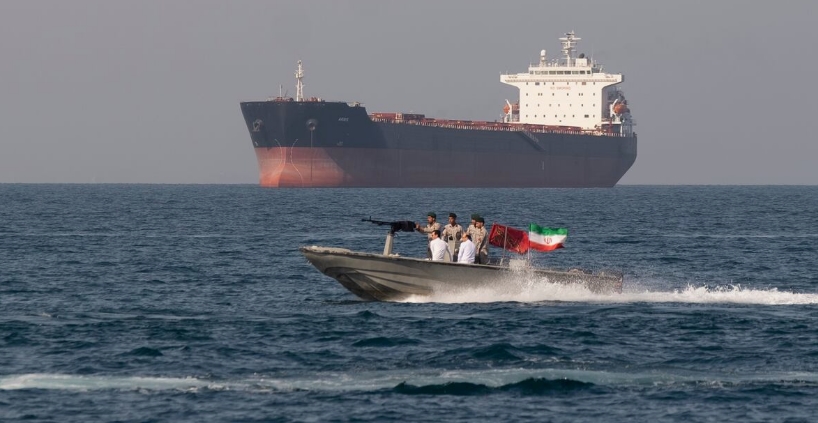
The danger is not insignificant. Iran has a history of using asymmetric naval tactics, such as sea mines, drones, and small, swift boats. Because of these capacities, the area is naturally unstable, especially in narrow waterways like the Strait of Hormuz. Iranian officials have also hinted that other ports in the area would be at risk if theirs are targeted. Fears of a wider conflict that might spread to neighboring nations and impede international trade are raised by such warnings.
The Pressure of International Shipping
The maritime sector has responded promptly. The cost of insurance for ships operating in the area has skyrocketed, and many businesses are changing their routes or postponing shipments entirely. There is a sense of caution due to the uncertainties surrounding enforcement, including what ships will be stopped, how inspections will be carried out, and how long the blockade will endure.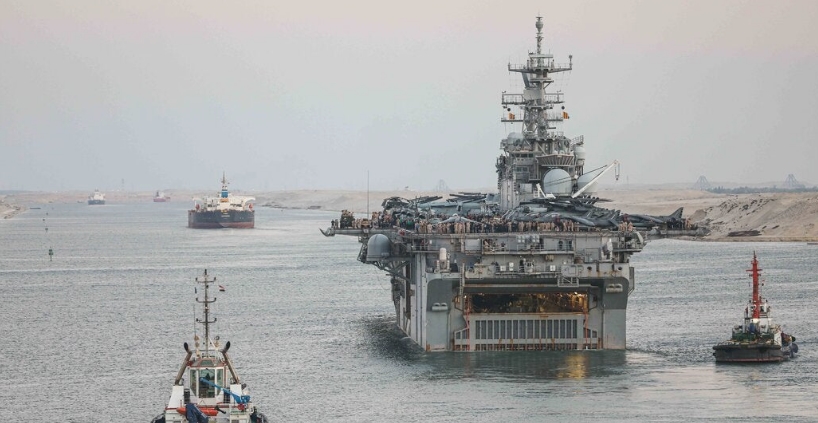
It’s interesting to note that not all traffic has stopped. Even now, some ships with ties to Iran have been able to pass through the area, especially when they are going between non-Iranian ports. This demonstrates how difficult it is to implement such a blockade in one of the world’s busiest marine lanes. However, overall shipment volume has declined, and there is no denying the psychological impact on international markets. US blocks Iran-linked ships
Oil Markets at Risk
Among the first to react were the energy markets. Fears of supply disruptions have caused oil prices to soar, and traders are keeping a tight eye on events in the Gulf. Global economies might be rocked by even the prospect of protracted instability in the Strait of Hormuz. The risks are especially high for nations that rely significantly on imported energy. Price increases, shortages of supplies, and wider economic repercussions could result from a prolonged blockade—or worse, an open conflict. This is the exact reason the area attracts so much attention from around the world. Events that take place in these small waters have the potential to affect entire continents.
Mixed Reactions Around the World
There have been differing reactions from throughout the world to the U.S. actions. Concerned about the possibility of escalation, other nations have warned that the blockade could exacerbate an already unstable situation. Others have declined to take part in the operation but have refrained from making direct criticisms. For instance, European partners have shown a reluctance to participate in the embargo, preferring to support new diplomatic approaches and even peacekeeping missions. Major international actors, including China, have denounced the action as risky and emphasized the necessity of stability in international trade lines. US blocks Iran-linked ships
An Unstable Circumstance
The mix of economic pressure and military expansion makes the current situation very unstable. Every action done to demonstrate power raises the possibility of making a mistake, but both sides seem committed to avoiding coming out as weak.
When heavily armed warships operate in close proximity, naval confrontations in the area have the potential to rapidly escalate. A single miscommunication or intentional conduct could set off a series of events with far-reaching effects. US blocks Iran-linked ships
Considering the Future
An important turning point in the ongoing conflict is the U.S. boycott of shipping associated with Iran. It mirrors a larger policy of using military action to support economic pressure, but it also adds new risks to an already precarious situation.
It’s unclear if this strategy will succeed in achieving its objectives. Nonetheless, it is evident that the situation is anything but static. The world keeps a careful eye on ships as they continue to move—or not move—through the Strait of Hormuz. The next several days and weeks will be crucial. Tensions could worsen or diplomatic avenues might reopen. In any case, the stakes are quite high, not only for Iran and the United States but also for the entire world community. US blocks Iran-linked ships
About the Author