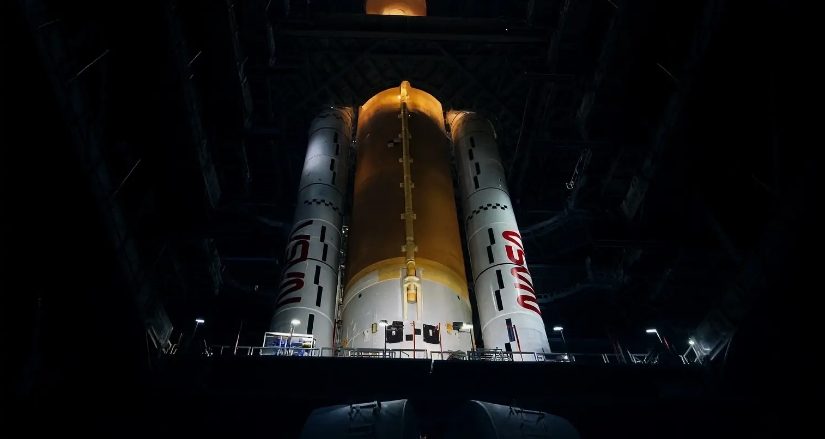
Artemis II crew splashes down, ending historic moon mission – The world held its breath as the crew of Artemis II completed their long-awaited return to Earth, closing the chapter on one of the most momentous space missions of the modern age. After journeying hundreds of thousands of kilometers beyond our planet, looping around the Moon, and safely negotiating the harsh realities of deep space, the astronauts splashed down in the ocean—marking not merely the end of a mission, but the beginning of a new age in human exploration.
This wasn’t just another spaceflight. It was a statement of intent. Led by NASA, Artemis II is the first crewed mission to reach beyond low Earth orbit since the days of Apollo program. For many, it felt like history repeating itself—but with a modern twist, new technology, and a grander vision for humanity’s destiny among the stars.
A Journey That Captured the World’s Imagination
From the moment Artemis II launched, it captured global interest. Millions tuned in to watch the rocket ignite the sky, transporting a diverse crew of astronauts on a voyage that had not been attempted in over half a century.
The mission’s purpose was lofty yet focused: launch humans around the Moon and bring them safely back home. Unlike the Apollo missions that concluded in a lunar landing, Artemis II was meant as a proving ground—a opportunity to test every important technology needed for future missions that will eventually return humans to the lunar surface.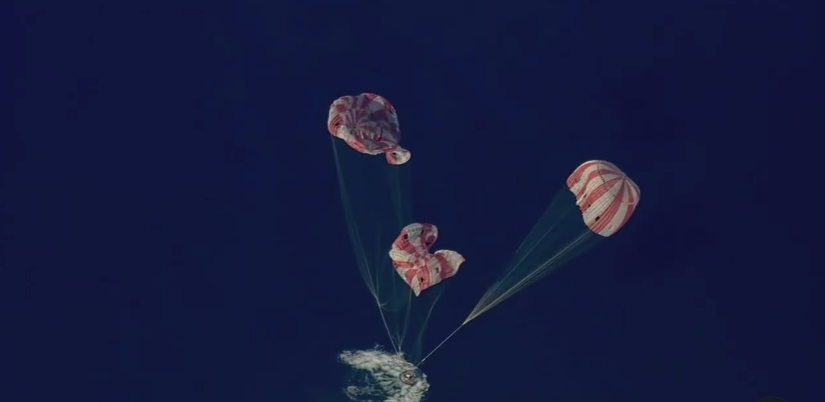
As the spaceship flew farther from Earth, the crew witnessed something only a handful of humans ever have: the “Earthrise” vision, where our globe appears as a little, incandescent marble against the great darkness of space. It was a reminder of how delicate and interrelated life on Earth truly is.
Life Beyond Earth’s Protective Bubble
Traveling beyond low Earth orbit means leaving behind the protective protection of our planet’s magnetosphere. This exposes humans to higher amounts of radiation and more harsh conditions, making Artemis II an important test for human life in deep space.
Inside the spaceship, every system was monitored closely—from life support and navigation to communication delays with mission control. Even simple daily chores required meticulous planning. Eating, sleeping, and working all had to be adapted to a microgravity environment, far from the comforts of Earth. Despite these hurdles, the team stayed focused and composed. Their job wasn’t just to survive—it was to gather data, test technology, and prove that people can once again exist beyond Earth orbit.
The Lunar Flyby: A Defining Moment
The highlight of Artemis II was definitely its lunar flyby. As the spacecraft approached the Moon, it completed a precisely designed maneuver that allowed it to swing around the lunar surface using gravity.
This moment was both technical and extremely emotional. For the astronauts, seeing the Moon up close—its craters, shadows, and stark beauty—was a remarkable experience. It was also a reminder of humanity’s previous triumphs and future ambitions.
The data obtained during this phase will be essential for prospective missions, especially those attempting to land astronauts on the Moon again. It also helped engineers better understand how spacecraft systems work in true deep-space circumstances.
The Long Journey Home
After completing its lunar flyby, Artemis II began its trip back to Earth. While the return travel may appear ordinary, it is anything but simple. Re-entering Earth’s atmosphere from deep space demands accurate calculations and faultless execution. The spaceship must resist enormous heat—reaching thousands of degrees—as it hurtles through the atmosphere at unbelievable speeds. Even a little error could result in mission failure. Fortunately, everything went according to plan. As the capsule dropped, parachutes deployed in perfect sequence, slowing its descent before gently splashing down in the ocean.
Splashdown: A Moment of Triumph
The splashdown heralded the successful conclusion of the mission, and with it came a rush of relief and celebration. Recovery specialists rapidly stepped in to secure the capsule and aid the crew, who emerged safely after their historic mission.
For NASA and its worldwide partners, this moment marked years of hard labor, creativity, and perseverance. It was proof that humanity is ready to take the next steps in exploring the Moon—and beyond. Artemis II crew splashes down
Why Artemis II Matters
Artemis II is more than just a milestone; it’s a bridge between past and future. The mission established that the technology and systems developed for the Artemis program are capable of supporting human life in deep space. It also lays the way for Artemis III, which intends to put astronauts on the Moon’s surface for the first time since the Apollo era. This next stage will be much more ambitious, incorporating new spacecraft, landing systems, and long-term exploration ambitions. Beyond the technological achievements, Artemis II carries symbolic weight. It signifies a renewed dedication to exploration, international collaboration, and scientific discovery. Artemis II crew splashes down
A New Generation Inspired
One of the most significant affects of Artemis II is its ability to inspire. Just as the Apollo missions encouraged a generation of scientists, engineers, and visionaries, Artemis II is already igniting curiosity and ambition in individuals around the world.
Children witnessing the mission today may become the astronauts, engineers, and inventors of tomorrow. The concept that humans are once again journeying to the Moon—and prepared to go considerably farther—opens up unlimited possibilities.
Looking Ahead: The Road to Mars
While the Moon is the immediate target, it is not the overall goal. Artemis II is part of a wider goal that includes establishing a sustainable human presence on the Moon and eventually sending men to Mars. The lessons gathered from this trip will play a crucial role in making that vision a reality. From life support systems to deep-space navigation, every piece of data pushes us one step closer to being a multi-planetary species. Artemis II crew splashes down
Final Thoughts
The successful splashdown of Artemis II represents a turning moment in human space exploration. It proves that humans are not just capable of returning to outer space—but of pushing far deeper. In many respects, this endeavor is just the beginning. It rekindles the spirit of discovery that distinguished the Apollo era while laying the framework for a future that once seemed like science fiction. As the waves calmed around the capsule and the crew safely returned home, one thing became clear: humanity’s voyage to the stars is far from complete. In fact, it’s only just begun. Artemis II crew splashes down
About the Author