Why Pakistan and China brokered a fragile Iran ceasefire – The precarious ceasefire between the United States and Iran did not result from an unexpected show of goodwill. It was the result of fear, urgency, strategic planning, and the silent but effective participation of China and Pakistan, two unlikely diplomatic mediators. Why Pakistan and China brokered a fragile Iran ceasefire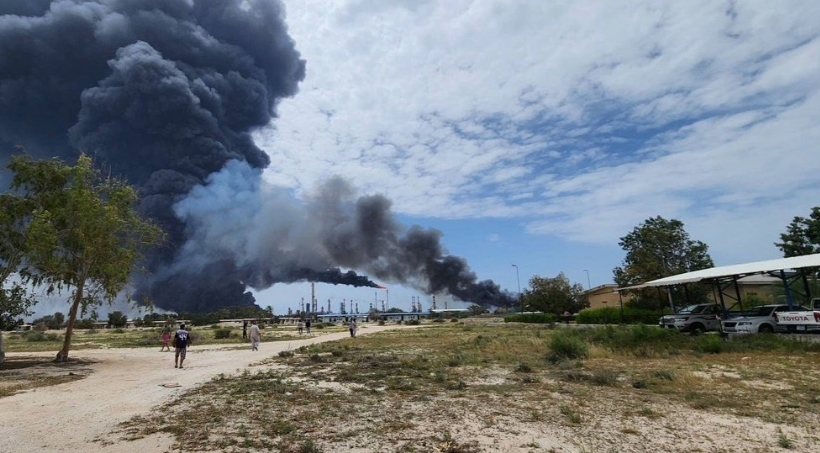
These two nations filled the void left by conventional mediators during a period when the Middle East appeared to be on the verge of a more extensive and perhaps catastrophic conflict and assisted in bringing the region back from the brink—at least for the time being. However, this ceasefire does not equate to peace. It’s a tense, unsure pause filled with conflicting interests.
A Crisis Heading Toward Disaster
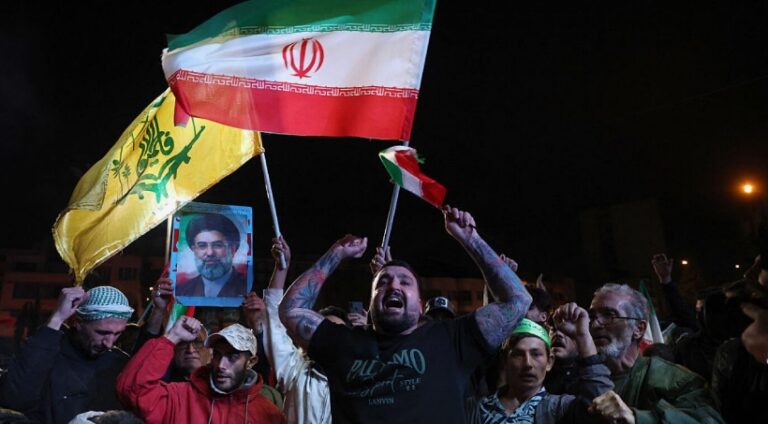
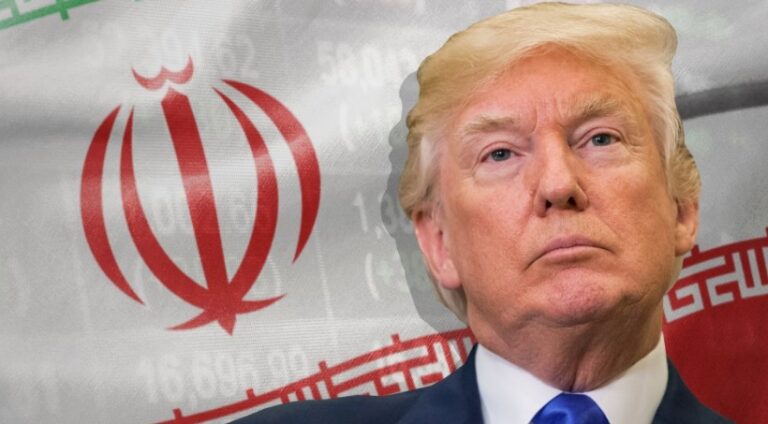
The dispute between the United States and Iran had significantly escalated in the weeks preceding the accord. The scene was bleak, with airstrikes, retaliatory missile attacks, and increasing casualties. When Washington indicated that it was ready to launch a significant military offensive unless Tehran made concessions, the situation reached a tipping point.
The Strait of Hormuz, one of the most important chokepoints in the globe, was at the heart of the problem. Global markets were rocked by Iran’s increasing control over the strait, endangering energy supply and driving up oil prices. The stakes were now worldwide rather than local. Pakistan took action during this time of growing peril.
Pakistan’s Distinct Diplomatic Role
Pakistan’s involvement as a mediator was deliberate rather than coincidental. Islamabad maintains cooperative ties with both Washington and Tehran, in contrast to many other countries. Pakistan gained credibility and access on both sides of the conflict thanks to this uncommon diplomatic balance.
When direct communication proved unattainable, Pakistani officials served as go-betweens, delivering messages, honing offers, and maintaining contact. A two-week ceasefire proposal—basically a diplomatic “time-out” intended to halt hostilities and pave the way for negotiations—was the result of their efforts.
It is impossible to exaggerate how urgent the issue is. The truce reportedly occurred just hours before a possible massive U.S. attack on Iranian facilities. Therefore, Pakistan’s participation was not only beneficial, but it might have avoided a rapid escalation into a larger conflict.
China’s Silent but Significant Impact
China operated in the background, offering leverage that Islamabad alone could not, while Pakistan handled the majority of the front-line diplomacy. Beijing is a vital economic lifeline and Iran’s biggest commercial partner. The diplomatic campaign for de-escalation was strengthened by its influence over Tehran. Chinese officials stressed the significance of reestablishing peace, especially in protecting international shipping lanes like the Strait of Hormuz, and publicly backed Pakistan’s mediation efforts.
China’s larger geopolitical aspirations are also reflected in its involvement. Beijing has positioned itself more and more in recent years as a global peacemaker, especially in areas where American power is disputed. China was able to uphold that image while safeguarding its own economic interests by endorsing a ceasefire in the Iranian dispute. Essentially, China offered the strategic pressure, while Pakistan supplied the diplomatic conduit.
The Reasons Behind Both Nations’ Intervention
China’s and Pakistan’s assistance was not solely motivated by altruism. Pakistan was directly at risk from the fighting. Energy imports that cross the Strait of Hormuz are crucial to its economy. A domestic economic disaster might have been brought on by any protracted disturbance. An additional dimension of urgency was created by the unrest near the border with Iran.
Additionally, there was a geopolitical motivation. Pakistan had the opportunity to improve its international reputation and show its diplomatic significance by successfully mediating a high-stakes international dispute. Why Pakistan and China brokered a fragile Iran ceasefire
China had comparable pragmatic reasons. Global trade, energy security, and Beijing’s economic interests—not just in Iran but throughout the region—were all at risk from a protracted conflict. Furthermore, by acting as a mediator, China was able to increase its influence in Middle Eastern diplomacy, a field that has historically been dominated by Western nations. De-escalation was the common objective that united their interests.
The Ceasefire’s Fragility
The ceasefire is still very precarious despite the diplomatic success. It lasts only two weeks and is predicated on terms that are interpreted differently by both parties. When Iran consented to reopen the Strait of Hormuz, tensions in the world market instantly subsided and oil prices dropped. Tehran has, however, also made it clear that it is entering the talks in a strong position, using its influence throughout the region and its control over vital routes.
Instead of portraying the ceasefire as a concession, the US has presented it as a tactical pause. There is still a great deal of mistrust beneath the surface, and military action has not yet stopped.Reports of ongoing strikes and contradictory assertions from both sides highlighted how precarious the situation is, even during the announcement of a truce.
A Change in International Diplomacy
The ceasefire’s revelations regarding changing global power balances are among its most striking features. Historically, nations like Switzerland, Oman, or Qatar have been crucial in mediating disputes with Iran. However, in this instance, China and Pakistan grabbed center stage, indicating a change toward a more multipolar diplomatic environment. Why Pakistan and China brokered a fragile Iran ceasefire
More general geopolitical trends are reflected in this shift. Other countries are filling the voids left by U.S. influence in some areas, sometimes out of aspiration and sometimes out of necessity. Analysts have called Pakistan’s ability to mediate the ceasefire one of its biggest diplomatic successes in recent memory. It strengthens China’s increasing standing as a worldwide powerhouse with the ability to influence events outside of its own borders.
What Will Happen Next?
The ceasefire is a start rather than a finish. Both sides are getting ready to discuss more extensive accords, and talks are anticipated to continue. However, the future is unclear. Iran is probably going to demand that its strategic interests be acknowledged and that sanctions be lifted. Conversely, the US will look for security assurances and restrictions on Iran’s military prowess. Pakistan and China may continue to play a role since they are caught between these conflicting demands, but maintaining peace will be far more challenging than reaching a brief halt. Why Pakistan and China brokered a fragile Iran ceasefire
In conclusion, a pause rather than a resolution
The Iran ceasefire, mediated by Pakistan and backed by China, is proof of the effectiveness of prompt diplomacy during emergencies. It demonstrates how, when conditions call for it, even unexpected players may have an impact on world events. However, it is impossible to overlook the fragility of the arrangement. Why Pakistan and China brokered a fragile Iran ceasefire
This is not a story of peace achieved—it is a story of disaster delayed. The conflict’s underlying tensions are still unsolved, and the upcoming weeks will decide whether this truce serves as a foundation for long-term stability or is only a temporary break before hostilities resume. For now, the guns have quieted—but the silence is uneasy, and the world is watching closely.
About the Author