A Rocky Tenure and Difficult Decisions
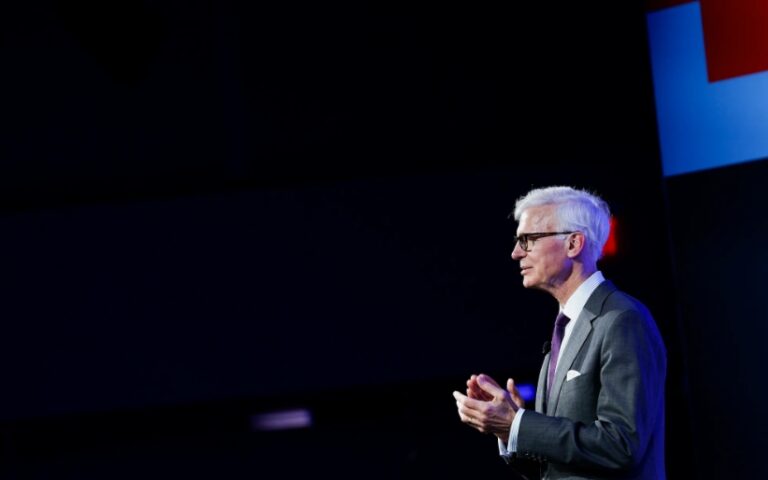
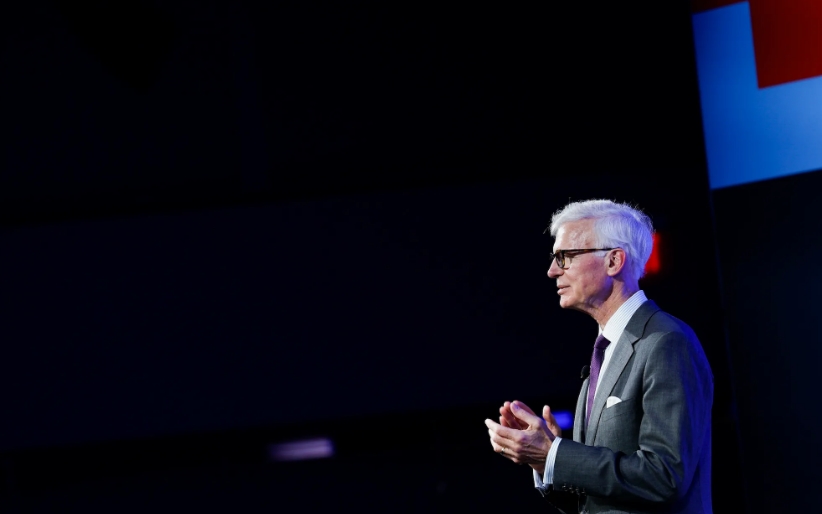
Lewis, a British media veteran with decades of experience — including top posts at The Wall Street Journal and Dow Jones — took the reins of The Washington Post in early 2024 after being nominated by owner Jeff Bezos. From the onset, Lewis’ tenure was distinguished by severe challenges: efforts to reorganize the newsroom, difficult editorial judgments, and a persistent struggle to make the storied institution financially sustainable in a rapidly changing media market.
At times, his forthright comments rubbed journalists the wrong way. In internal meetings, he explicitly warned that the newsroom’s coverage wasn’t reaching enough readers – remarks that many staff members found discouraging, especially against the backdrop of dwindling viewership and industry-wide economic pressures. One of the more prominent blunders during his tenure was a failed attempt to install a new executive editor – a decision that was rescinded amid ethical problems and internal anger. This sad experience exposed profound difficulties between journalism culture and executive leadership.
The Layoffs That Shook the Newsroom
The final chapter of Lewis’ leadership was marked by the layoff announcement earlier this week, which surprised many inside and outside the corporation. On Wednesday, The Washington Post stated it would lose around 300 jobs — about one-third of its editorial team — and substantially rearrange its coverage. Departments that had been crucial to the paper’s character, like the sports desk, books coverage, and significant overseas bureaus, were dismembered or shuttered. Washington Post CEO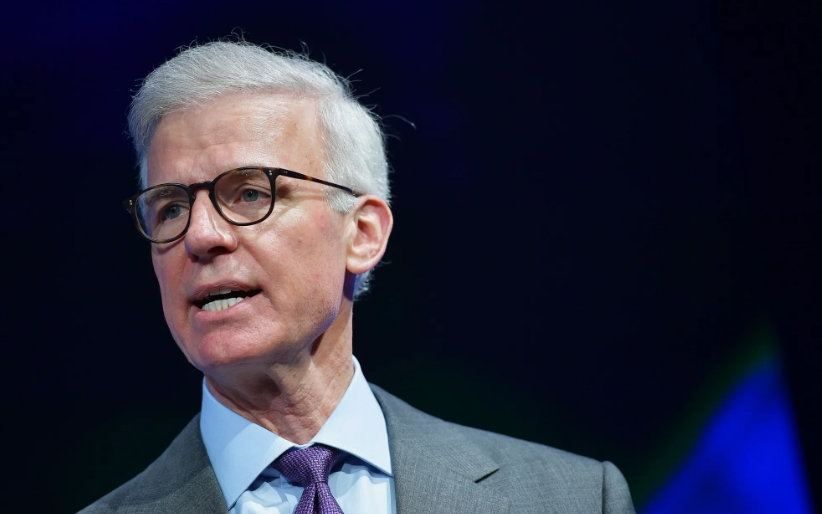
Veteran journalists and respected sections with decades of history were affected, leaving colleagues startled, outraged, and uncertain about the future of their job. Some staffers regarded the layoffs as a severe blow to the paper’s capacity to cover the world with depth and insight. Adding to the hurt was the fact that Lewis was apparently not present during the announcement meetings that told staff of who would be losing their jobs — a choice that many journalists felt as emblematic of a broader disconnect between leadership and the newsroom.
The Resignation Email: A Short Farewell, Big Implications
Lewis’ resignation came in a two-paragraph note to workers, in which he reminisced on his time leading the paper — and framed his departure as part of a necessary reform. “After two years of transformation at The Washington Post, now is the right time for me to step aside,” he wrote. Expressing gratitude to Bezos, he continued: “The institution could not have had a better owner.” Washington Post CEO
In his farewell, Lewis admitted that “difficult decisions have been taken in order to ensure the sustainable future of The Post so it can for many years ahead publish high-quality nonpartisan news to millions of customers each day.” The tone of the message — short, businesslike, and forward-looking — stood in stark contrast to the emotional aftermath in the newsroom and among former staffers.
Reactions Inside and Outside the Newsroom
For many employees, sentiments were complex: relief for a new beginning, irritation about the way leadership changes occurred, and deep fear about what the layoffs represent for the future of journalism. The Washington Post Guild, the union representing journalistic staff, released a blistering statement, calling Lewis’ resignation “long overdue” and claiming that his tenure had weakened the institution’s strengths. “His legacy will be the attempted destruction of a great American journalism institution,” the Guild warned, urging Bezos to reconsider the layoffs or find an owner more committed to investing in journalism’s future. Washington Post CEO
Conversely, other industry analysts saw Lewis’ resignation as an unavoidable result of the challenging financial realities facing legacy news organizations — where traditional revenue streams have decreased and digital competition is severe. Among readers and media commentators online, the story soon became a flashpoint for broader debates about the role of billionaire ownership in newsrooms, the economic issues facing journalism, and how far institutions should go to minimize expenses at the price of coverage depth.
A New Leader at a Critical Moment
Stepping into the gap as acting publisher and CEO is Jeff D’Onofrio, The Washington Post’s chief financial officer since June 2025 and an experienced leader with experience across digital media platforms. D’Onofrio, previously CEO of Tumblr and a pioneer in digital and analytics firms, inherits an enterprise at a crossroads: faced with balancing financial viability, newsroom morale, and the objective of reporting the news with depth and honesty.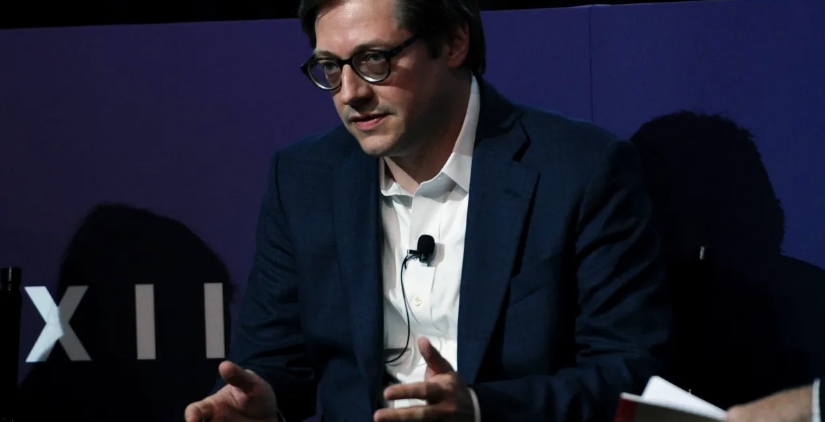
In remarks introducing his new post, D’Onofrio underlined both gratitude for the legacy of the Post and the necessity to adapt to the quickly developing media landscape. He spoke of “charting the future” and promised attention to both the commercial and the journalistic objectives of the institution. Washington Post CEO
What This Moment Means for Journalism
The departure of a high-profile publisher amid significant layoffs at one of America’s biggest newspapers sends a striking message about the status of contemporary journalism. Across the sector, news sources large and small are contending with dwindling advertising revenue, evolving consumer habits, and the dominance of digital platforms that absorb much of the web traffic traditionally dedicated to legacy publications. The Washington Post is no different — and its challenges have sometimes paralleled broader industry fears about sustainability and relevance.
Critics contend that deep cuts to newsroom staff erode the basic core of great reporting — investigative journalism, local coverage, international reporting — exactly when consumers demand trustworthy, fact-based information more than ever. Many worry that downsizing overseas offices and specialty desks will damage the paper’s capacity to report on global crises, political upheavals, and cultural trends with complexity and depth. Yet backers of rigorous cost-cutting measures believe that news organizations must evolve, innovate, and create new business sources – even if that entails painful restructuring.
A Legacy in Flux
Will Lewis’ resignation closes a terrible chapter for The Washington Post, but it also opens another. The following months under D’Onofrio’s leadership — and the ensuing discussions about newsroom goals, funding, and the mission of journalism — will determine not only the future of the daily, but also give a glimpse into how legacy media evolves in the internet age. Washington Post CEO
What remains apparent is this: The Washington Post — with its Pulitzer-winning history and global reach — continues to matter. How it defines its future chapter, combines financial realities with journalistic values, and rebuilds trust and morale will be a defining story of American media in the years ahead.
About the Author