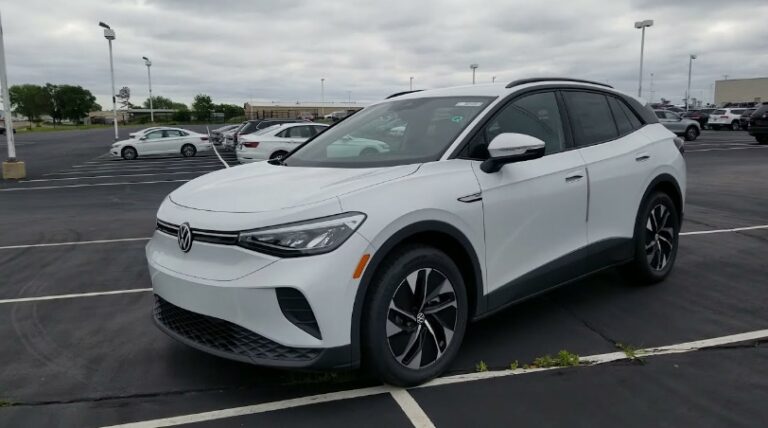
The ID.4: A Promising Start That Hit Roadblocks
When Volkswagen first introduced the ID.4 to American audiences, it was meant to symbolize a new era. The compact electric SUV combined European styling with practical features and was priced to appeal to a wide range of buyers. Built in part at Volkswagen’s Chattanooga, Tennessee plant, the ID.4 was also a key player in the company’s effort to localize production and qualify for federal EV incentives.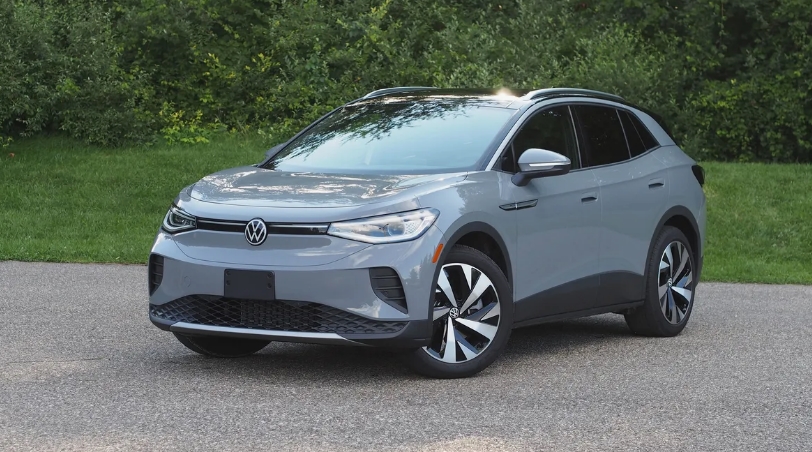
Initially, the response was encouraging. The ID.4 offered a comfortable ride, solid range, and a familiar SUV form factor that resonated with American drivers. However, despite its promise, the model struggled to maintain momentum. A combination of supply chain disruptions, software issues, and intensifying competition began to weigh on its success. In a market increasingly crowded with compelling EV options, the ID.4 found itself under pressure.
Why Volkswagen Is Pulling Back
Volkswagen’s decision to scale back its ID.4 plans in the U.S. doesn’t come down to a single factor. Instead, it reflects a convergence of challenges that have reshaped the EV landscape.
1. Fierce Competition
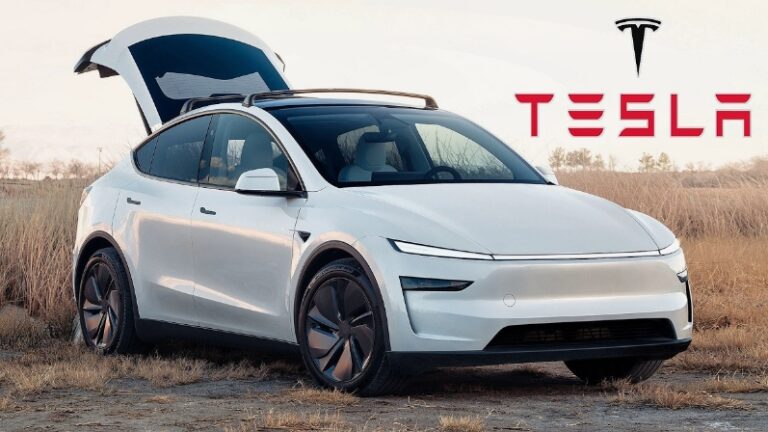
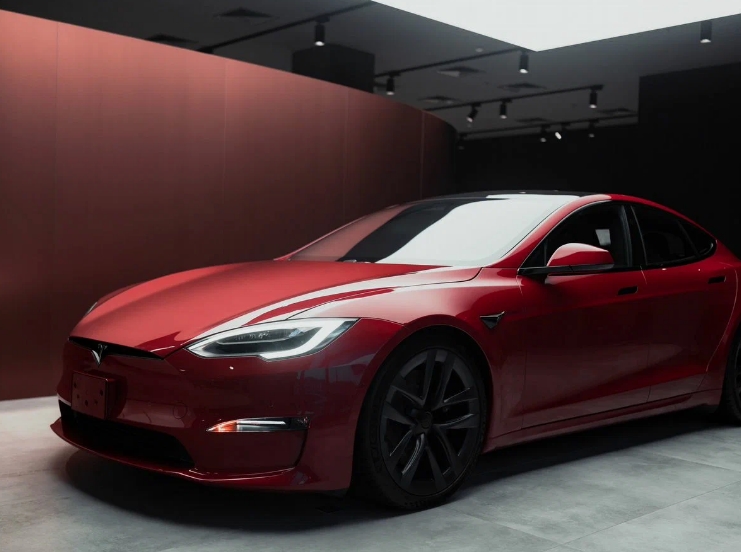
The EV market in the United States has grown rapidly, with both established automakers and new entrants vying for attention. Models from companies like Tesla, Ford, and Hyundai have raised the bar in terms of performance, range, and technology. Vehicles such as the Tesla Model Y and Ford Mustang Mach-E have captured significant market share, offering strong brand recognition and continuous software improvements. Against this backdrop, the ID.4 has struggled to stand out.
2. Software and User Experience Issues
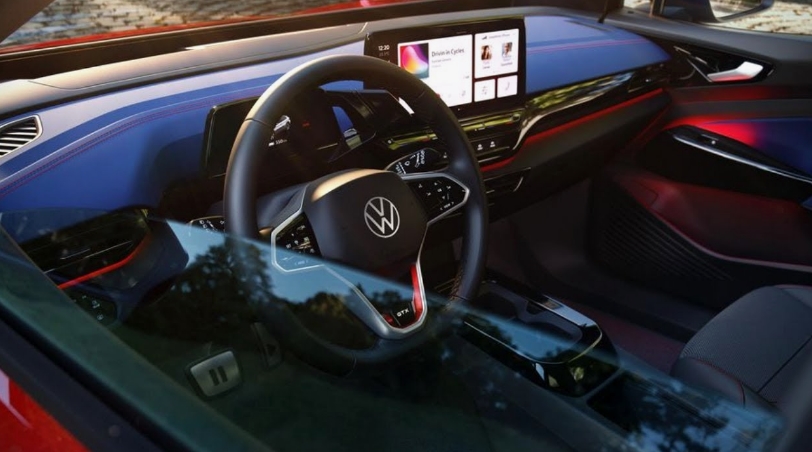
One of the most consistent criticisms of the ID.4 has been its software. While the hardware has generally been well-received, the infotainment system and overall user interface have drawn complaints for being unintuitive or sluggish. In an era where software plays a central role in the driving experience, these shortcomings can significantly impact buyer perception. Volkswagen has acknowledged these issues and has been working on updates, but the damage to its reputation in this area has been difficult to reverse quickly.
3. Changing Consumer Expectations
American EV buyers are becoming more discerning. Range anxiety is still a concern, but so are charging speed, interior technology, and overall value. Many consumers now expect over-the-air updates, seamless smartphone integration, and advanced driver-assistance features as standard. While the ID.4 meets many of these criteria, it doesn’t always excel in them. As a result, some buyers have opted for alternatives that offer a more polished or feature-rich experience.
4. Economic Pressures and Pricing Challenges
The broader economic environment has also played a role. Rising interest rates, inflation, and shifting incentives have made EV purchases more complex for consumers. Although the ID.4 was designed to be relatively affordable, maintaining competitive pricing while managing production costs has become increasingly difficult. This has forced Volkswagen to reconsider how it positions the model in the U.S. market.
What “Abandoning Plans” Really Means
It’s important to clarify that Volkswagen is not completely exiting the U.S. EV market, nor is it necessarily discontinuing the ID.4 altogether. Instead, the company appears to be scaling back its ambitions for the model—potentially reducing production targets, limiting trims, or shifting focus to other vehicles.
This kind of strategic pivot is not uncommon in the automotive industry. Companies often adjust their plans based on market feedback, technological developments, and financial considerations. For Volkswagen, the ID.4 may no longer be the centerpiece of its U.S. EV strategy, but it could still play a supporting role.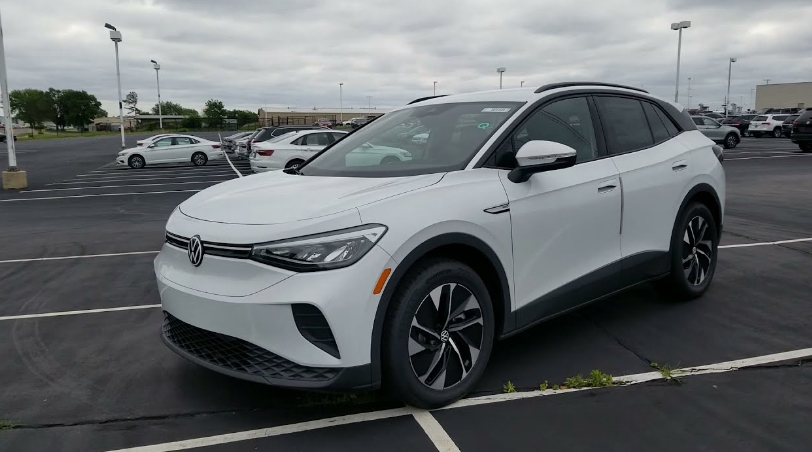
The Bigger Picture: Volkswagen’s EV Future
Despite this shift, Volkswagen remains committed to electrification on a global scale. The company has invested billions in EV development and continues to expand its lineup under the ID. brand. Future models are expected to address many of the shortcomings identified in the ID.4, particularly in terms of software and user experience. Volkswagen has also been working on a new unified software platform that aims to deliver faster updates and more intuitive interfaces. In addition, the company is exploring new battery technologies, improved charging infrastructure partnerships, and more localized production strategies. The lessons learned from the ID.4 will likely shape these future efforts. Volkswagen abandons ID.4 EV plans for shoppers in the U.S
What This Means for U.S. Consumers
For American shoppers, Volkswagen’s decision could have both short-term and long-term implications. In the short term, availability of the ID.4 may become more limited, depending on how the company adjusts production and distribution. Pricing and incentives could also fluctuate as Volkswagen repositions the model.
However, current owners shouldn’t be overly concerned. Support, service, and software updates are expected to continue, as Volkswagen has a strong interest in maintaining customer satisfaction and brand loyalty. In the long term, consumers may benefit from improved EV offerings as Volkswagen refines its strategy. Future models could deliver better performance, more advanced technology, and a more competitive overall package.
A Turning Point, Not an Endpoint
Volkswagen’s decision to rethink its ID.4 strategy in the U.S. is less about retreat and more about adaptation. The EV market is evolving rapidly, and even established automakers must remain flexible to keep up. The ID.4 was an important step in Volkswagen’s journey toward electrification, but it may not be the final word. Instead, it represents a learning experience—one that will inform the company’s next generation of electric vehicles. Volkswagen abandons ID.4 EV plans for shoppers in the U.S
Final Thoughts
The story of the ID.4 in the United States is a reminder that innovation doesn’t always follow a straight path. Even well-planned launches can encounter unexpected challenges, especially in a market as dynamic as electric vehicles. By reassessing its approach, Volkswagen is acknowledging these challenges and positioning itself for a stronger future. For consumers, this means staying informed and keeping an eye on what comes next. Because if there’s one thing the EV revolution has shown, it’s that change is constant—and the next breakthrough may be just around the corner. Volkswagen abandons ID.4 EV plans for shoppers in the U.S