Uber will soon have you riding in style in a driverless Mercedes-Benz S-Class – The future of ride-hailing may soon arrive with leather seats, ambient lighting, and no human driver at the wheel. Uber, Nvidia, and Mercedes-Benz have officially joined forces to develop a new fleet of premium robotaxis built on the German automaker’s iconic S-Class sedan, signaling a major shift in how autonomous mobility could look—and feel—in the years ahead. Uber will soon have you riding in style in a driverless Mercedes-Benz S-Class
The collaboration brings together three powerhouses, each contributing a critical piece of the robotaxi puzzle. Mercedes-Benz provides the vehicle platform and luxury engineering, Nvidia supplies the artificial intelligence and autonomous driving technology, and Uber delivers the global ride-hailing network that could put these vehicles in front of millions of users worldwide. Together, the companies say they aim to create a scalable, global robotaxi ecosystem that blends high-end comfort with cutting-edge autonomy.
A Luxury Sedan Meets Autonomous Intelligence
At the heart of the project is the Mercedes-Benz S-Class, a model long regarded as a benchmark for luxury, safety, and advanced automotive technology. Mercedes says the latest generation of the S-Class was selected as the foundation for its robotaxi ambitions because of its sophisticated electrical architecture and software-defined design, which make it well-suited for autonomous upgrades.
Rather than retrofitting older vehicles, Mercedes is positioning the S-Class as a purpose-built autonomous platform. The car will be deeply integrated with the company’s proprietary Mercedes-Benz Operating System, or MB.OS. This system acts as the digital backbone of the vehicle, allowing partners like Nvidia to deploy autonomous driving applications directly onto the car’s computing platform.
According to Mercedes executives, this approach ensures tighter integration between hardware and software, improving safety, performance, and long-term update capabilities. In simple terms, the car is being designed to “think” as much as it drives.
Nvidia’s Role: Powering Level 4 Autonomy
Nvidia plays a central role in turning the S-Class into a true robotaxi. The partnership builds on Uber’s existing relationship with Nvidia, first announced in October last year, which focuses on making vehicles “Level 4 ready.”
Level 4 autonomy means a vehicle can operate without human intervention under specific, predefined conditions—such as within certain cities, routes, or weather scenarios. While a steering wheel may still exist, no human driver is required during normal operation.
To achieve this, Nvidia is supplying its DRIVE AV software alongside the DRIVE Hyperion hardware architecture. Together, these technologies handle perception, planning, and decision-making, allowing the vehicle to understand its surroundings, predict the behavior of other road users, and navigate complex urban environments.
Nvidia CEO Jensen Huang has repeatedly described autonomous driving as one of the company’s most transformative opportunities, and partnerships like this reinforce Nvidia’s growing influence in the automotive world. Rather than building cars itself, Nvidia is positioning its platform as the “brain” behind next-generation vehicles.
Uber’s Vision: Robotaxis at Global Scale
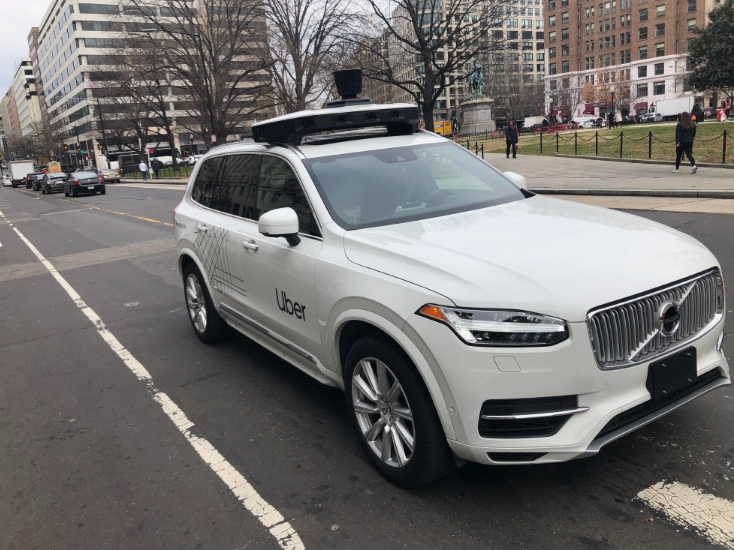
Uber’s contribution is equally significant. The ride-hailing giant plans to integrate these autonomous S-Class robotaxis directly into its app, allowing users to request a driverless ride much like they would summon a regular Uber today.
While no specific cities or launch dates have been confirmed, Uber has made it clear that the long-term goal is global deployment across major urban centers. For Uber, robotaxis represent both an opportunity and a necessity. Autonomous vehicles could dramatically reduce operating costs by eliminating the need for human drivers, while also offering a more consistent and potentially safer ride experience.
At the same time, Uber has taken a partnership-first approach to autonomy after previously scaling back its in-house self-driving division. By working with established automakers and technology leaders, Uber avoids the massive upfront costs of building vehicles and autonomous systems from scratch.
No Clear Timeline—Yet
Despite the ambition of the project, the companies have stopped short of announcing a firm launch timeline. That hesitation reflects the broader reality of the autonomous vehicle industry, where technological progress often outpaces regulatory approval. Uber will soon have you riding in style in a driverless Mercedes-Benz S-Class
Deploying Level 4 robotaxis requires not only reliable technology but also approval from regulators, alignment with local traffic laws, and public trust. Each city and country has its own rules governing autonomous vehicles, making global deployment a complex challenge. Still, industry analysts view the partnership as a serious step forward, particularly because it combines luxury, autonomy, and scale—three elements rarely found together in current robotaxi programs.
Competition Is Heating Up
The Uber-Nvidia-Mercedes alliance enters an increasingly crowded and competitive robotaxi landscape. Alphabet-owned Waymo has already launched limited commercial robotaxi services in several U.S. cities, while Tesla continues to promise a future fleet of autonomous vehicles based on its Full Self-Driving software. Uber will soon have you riding in style in a driverless Mercedes-Benz S-Class
However, the sector has also faced growing scrutiny. Waymo, for instance, is currently under investigation following reports that some of its robotaxis violated traffic laws and caused disruptions in urban areas. These incidents have reignited concerns about safety, accountability, and readiness for widespread deployment.
Tesla’s approach has also drawn criticism, with regulators questioning whether its current technology truly meets the standards of full autonomy. Against this backdrop, Mercedes’ reputation for safety and engineering rigor could become a key differentiator.
Redefining What a Robotaxi Can Be
What sets this partnership apart is its focus on luxury. Most robotaxi projects prioritize efficiency and cost reduction, often using compact or utilitarian vehicles. By contrast, an autonomous S-Class promises a premium experience—quiet cabins, advanced climate control, spacious seating, and high-end materials.
For passengers, this could transform the perception of autonomous travel from a novelty into a desirable service. Instead of simply getting from point A to point B, a robotaxi ride could become a comfortable, even indulgent, experience—especially for business travelers and high-end urban users. Uber will soon have you riding in style in a driverless Mercedes-Benz S-Class
The Road Ahead
While many questions remain unanswered, one thing is clear: Uber, Nvidia, and Mercedes-Benz are betting that the future of mobility lies at the intersection of autonomy, software, and luxury. If successful, their robotaxi fleet could redefine ride-hailing and set a new standard for driverless transportation. For now, the world will be watching as the partnership moves from announcement to reality—one carefully programmed, self-driving mile at a time. Uber will soon have you riding in style in a driverless Mercedes-Benz S-Class
About the Author