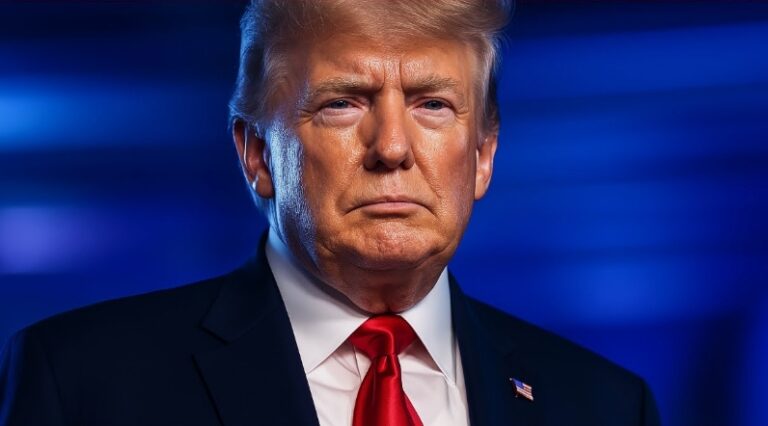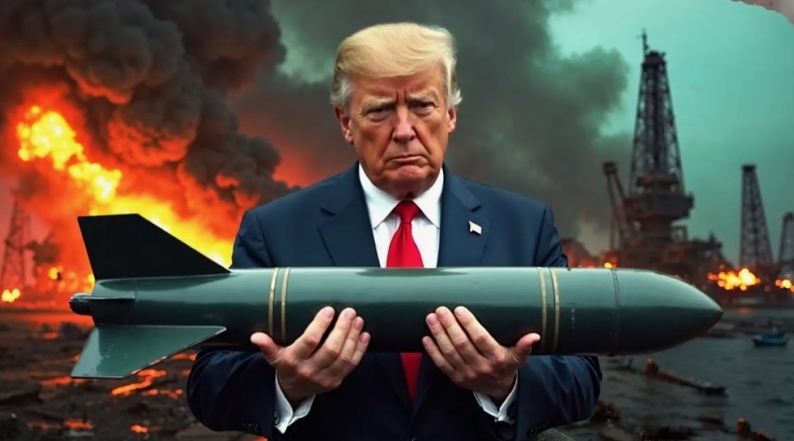
Trump threatens to bomb Iran’s power, water infrastructure – The rhetoric surrounding the ongoing dispute between the United States and Iran has taken a truly frightening turn. In recent days, Donald Trump has given strong threats that, if negotiations fail, the United States may begin deadly strikes on Iran’s most essential civilian infrastructure—its power grid, water systems, and energy facilities. The threats imply not only a military escalation, but a move toward measures that might have far-reaching humanitarian effects.
At the heart of the crisis lies a high-stakes conflict over regional security and control of major energy channels, particularly the Strait of Hormuz, one of the world’s most vital oil transit chokepoints. Trump has made it clear: if Iran does not cooperate with U.S. demands—especially reopening the waterway fully and entering into a ceasefire agreement—then America is prepared to take extraordinary action.
A Threat Beyond the Battlefield
What makes Trump’s threat particularly problematic is its focus on civilian infrastructure. Power plants, desalination facilities, and water systems are not simply strategic assets—they form the backbone of daily existence for millions of Iranians. Hospitals rely on power. Cities depend on desalination plants for drinking water. Disabling these systems would not only cripple Iran militarily; it might plunge the country into a humanitarian crisis.
Reports indicate that Trump expressly mentioned desalination plants among potential targets, facilities that transform seawater into drinking water in a location where freshwater is scarce. This raises severe worries among international observers, as such infrastructure is often regarded crucial for civilian survival.
Human rights groups and legal experts have been quick to respond. Many contend that deliberately targeting systems critical for civilian life could violate international humanitarian law. These regulations are aimed to mitigate the impact of war on non-combatants, protecting resources like water and power that are vital for living.
Iran’s Defiant Response
Iran has not remained mute in the face of these threats. Officials in Tehran have issued their own warnings, making it clear that any U.S. attack on its infrastructure would spark retaliation—not just against American forces, but potentially against electricity and water systems across the broader Middle East.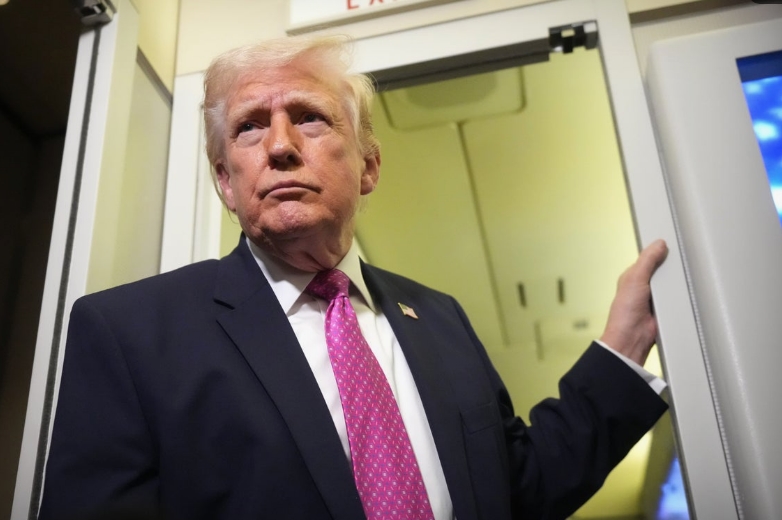
This tit-for-tat escalation has generated fears of a regional domino effect. If both sides begin targeting civilian infrastructure, the ramifications might extend far beyond Iran’s borders. Countries in the Gulf, many of whom rely largely on desalination for water, could find themselves exposed to similar attacks.
The struggle is no longer confined to military sites and strategic installations. Instead, it is inching toward a future where entire communities could be caught in the crossfire of infrastructure warfare.
The Risk of Humanitarian Catastrophe
Experts worry that the collapse of Iran’s power grid might unleash cascading failures across numerous sectors. Electricity is not an isolated system—it powers hospitals, communication networks, transportation, and water treatment facilities. A widespread outage may immobilize the country within hours.
Even more worrying is the potential influence on nuclear safety. Iran operates facilities like the Bushehr Nuclear Power Plant, which depend on consistent electricity to sustain safe operations. If the power grid were knocked out, these facilities might be forced to rely on backup systems, raising the danger of overheating or accidents.
Environmental organizations have warned that such a scenario may lead to a calamity with ramifications spreading well beyond Iran’s borders. A nuclear event, even a minor one, might harm neighboring countries and destabilize the entire area.
Strategic Pressure or Dangerous Gamble?
From a geopolitical sense, Trump’s threats appear geared to compel Iran into discussions. By striking infrastructure that sustains everyday life, the U.S. might place great pressure on Iranian leadership to agree to terms swiftly. Trump threatens to bomb Iran’s power
However, this method is widely considered as a double-edged sword. While it may offer short-term leverage, it also risks hardening Iran’s موقف and fuelling anti-American sentiment among its population. Historically, attacks against civilian infrastructure tend to enhance national determination rather than undermine it.
Moreover, military experts advise that such acts might not achieve their desired goals. Destroying infrastructure can cripple a country, but it does not necessarily force political submission. Instead, it can lead to continuous warfare, insurrection, and instability.
Global Repercussions
The repercussions of this increasing rhetoric reach far beyond the Middle East. Oil markets have already begun to respond, with prices climbing amid worries of interruption in supply. The Strait of Hormuz alone handles a substantial amount of the world’s النفط exports, making any threat to its stability a global concern. Trump threatens to bomb Iran’s power
Economic institutions have also sounded alarms. A lengthy conflict—or worse, a full-scale regional war—could precipitate a global economic slump. Supply chains would be disrupted, energy prices might jump more, and markets globally would feel the impact.
Diplomatic reactions have been uneven. Some governments have advised prudence, urging for resumed consultations and de-escalation. Others worry that the current trajectory could erode long-standing international conventions guiding combat.
A New Kind of Warfare?
Trump’s approach reflects a bigger shift in how modern conflicts are being waged. Increasingly, battles are not merely fought on battlefields but through the targeting of infrastructure—power grids, communication systems, and water sources.
Critics worry that this constitutes a dangerous deterioration of the rules of war. The Geneva Conventions were created to safeguard people and reduce the devastation of combat. Targeting key services violates these values and raises questions about the future of global warfare. Trump threatens to bomb Iran’s power
Supporters of a harsher attitude, however, claim that such actions are required in dealing with adversaries who do not follow traditional rules. They see infrastructure strikes as a method to minimize soldier deaths while maximizing pressure.
Uncertain Path Ahead
As the scenario continues to grow, one thing is clear: the stakes could not be greater. Trump has signaled that a deal may still be possible, but his warnings suggest that time is running out.
Whether these threats are a negotiation tool or a precursor to genuine action remains uncertain. What is known, however, is that the ramifications of targeting power and water infrastructure would be significant, affecting not just governments and militaries, but millions of regular people.
In a conflict already distinguished by unpredictability, the advent of infrastructure warfare might push the situation into unknown and perilous territory—where the boundary between military objectives and humanitarian calamity becomes increasingly blurred. Trump threatens to bomb Iran’s power
About the Author