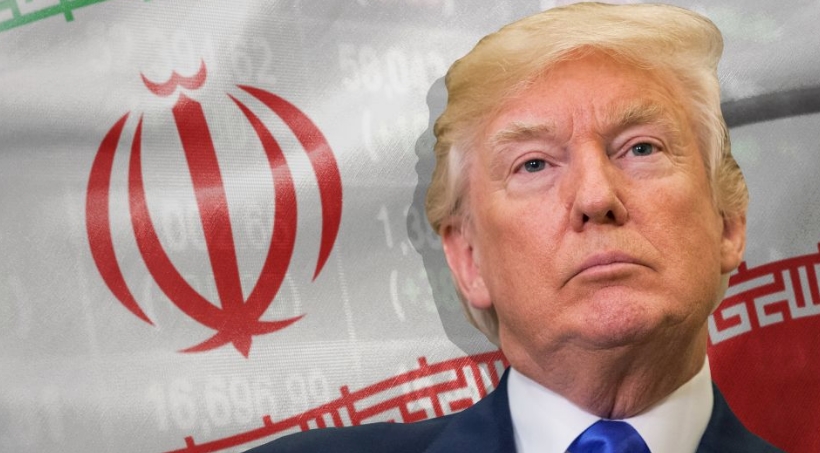
Trump threatens nations supplying Iran with weapons with tariffs – Donald Trump has issued a severe warning to nations worldwide in a significant escalation of geopolitical and economic pressure: any country that provides Iran with military equipment will be subject to broad taxes on commerce with the United States.
The declaration, which was made through his social media platform, is a daring and contentious change in approach that might restructure international alliances by fusing trade policy with national security.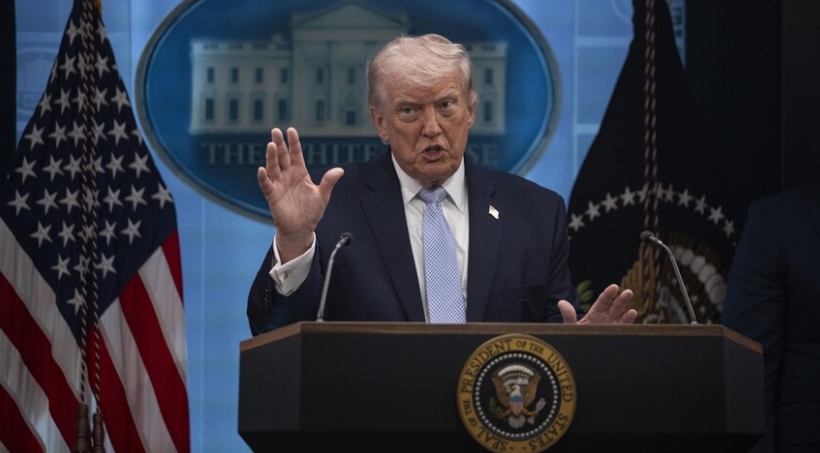
A proposed 50% tariff on any items imported into the US from nations determined to be assisting Iran’s military capabilities is at the center of the action. Reports state that the proposal would be one of the most forceful economic threats made in recent years, with no exclusions or carve-outs.
A Policy Developed During a Fragile Calm
The announcement’s timing is very noteworthy. It occurs just one day after the United States and Iran reached an agreement to temporarily halt hostilities for two weeks following weeks of increased tensions and military confrontations.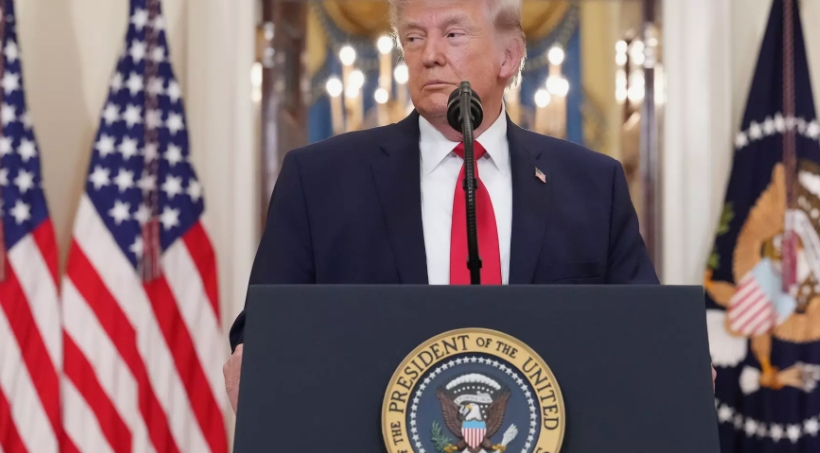
The ceasefire appeared to indicate a possible cooling of ties. Trump’s tariff threat, however, conveys a different message—one of persistent pressure and covert scheming. While the truce may put an end to direct hostilities, many speculate that Washington is concurrently attempting to restrict Iran’s capacity to bolster or rebuild its military with outside assistance.
This two-pronged strategy—diplomacy combined with economic pressure—reflects a larger trend in Trump’s foreign policy. The administration seems prepared to use commercial relationships as a weapon of influence rather than depending just on conventional sanctions or military deterrence.
Targeting the Supply Chain of Iran
Iran continues to rely on foreign partners for essential parts, technology, and resources even though it has long maintained a level of self-sufficiency in the development of weapons. Analysts commonly mention nations like China and Russia as possible suppliers, but these connections are typically complicated and opaque.
Trump is essentially trying to cut off Iran’s external supply routes by threatening to impose tariffs on any country that offers military support. The message is clear: there will be significant financial costs associated with bolstering Iran’s defense capabilities.
This tactic broadens the battleground to include international trade in addition to the Middle East. It compels nations to balance any strategic or political advantages of interacting with Iran against their economic ties to the United States.
Using Economic Leverage as a Weapon
Although Trump has previously used tariffs as a geopolitical tool, this action marks a major escalation. He suggested a 25% levy on nations conducting ordinary business with Iran earlier in 2026, a move that has already alarmed governments and international markets.
Targeting military cooperation directly and double the potential economic harm, the new 50% tariff threat goes far farther. Losing access to the U.S. market or encountering such high trade barriers might have detrimental effects on the economies of numerous nations.
Such broad tariffs might be difficult to execute, though. The president’s ability to impose broad trade penalties has already been the subject of legal challenges, especially in light of court decisions that restricted the use of specific emergency powers.
The announcement itself is significant in spite of these obstacles. Even the prospect of tariffs has the power to affect behavior, leading nations to reevaluate their policies in order to prevent negative economic effects. Trump threatens nations supplying Iran with weapons with tariffs
Global Responses and Increasing Tensions
International reaction to Trump’s warning has been cautious but worried. It is now a challenging balancing act for nations with economic links to both Iran and the United States. Distancing oneself could damage diplomatic or strategic ties, while aligning too closely with Tehran could result in punitive tariffs.
The stakes are especially high for big powers like China, which has substantial trade with both nations. The prospect of a wider trade war has already been raised by Washington’s prior tariff threats, which have prompted reprisal threats.
The geopolitical environment is still unstable in the interim. Only a little reprieve has been offered by the current ceasefire, and underlying tensions—from regional influence to nuclear negotiations—remain unsolved.
Trump’s most recent action could make these relationships even more complicated. The United States may unintentionally increase tensions while attempting to contain them by applying economic pressure at such a delicate time.
Effects on International Markets
Additionally, the release coincides with a period of notable volatility in international markets. Following the announcement of the ceasefire, stock markets surged and oil prices fell precipitously, indicating cautious confidence about less fighting in the area.
However, that feeling might be swiftly reversed if additional trade threats are introduced. Market instability has historically been exacerbated by trade disputes, and the potential for an expanding economic confrontation adds still another level of concern. Trump threatens nations supplying Iran with weapons with tariffs
Iran-related developments continue to have an impact on energy markets in particular. Because Iran is a significant oil producer and is situated close to the strategically important Strait of Hormuz, any damage to its military or commercial capabilities might have repercussions for global supply lines.
A High-Risk Approach
Trump’s threat of tariffs is a risky move. On the one hand, it might be successful in keeping Iran isolated and restricting its access to military assistance from other countries. However, it runs the danger of upsetting allies, inciting reprisals, and upsetting international trade.
Such a forceful strategy, according to critics, might backfire and push nations closer to Iran or encourage them to look for alternatives to U.S. markets. On the other hand, proponents see it as an essential measure to resist Iran’s influence and stop the area from getting worse.
It is evident that the policy highlights a more general change in the application of economic instruments in foreign relations. Trade has evolved into a crucial tool of diplomacy and influence, going beyond simple trade. Trump threatens nations supplying Iran with weapons with tariffs
Uncertain Path Ahead
The world will be intently observing how nations react to Trump’s threat during the two-week ceasefire. Will they resist the economic pressure from the United States or reduce their engagement with Iran in order to avoid tariffs?
A lot will rely on how the strategy is put into practice and if it can survive domestic political and legal scrutiny. Meanwhile, the announcement has already made it clear that the United States is willing to use all available means, including trade, to accomplish its geopolitical goals. The situation is still unstable for the time being. The world is reminded that the conflict is far from ended by the tariffs, even though the ceasefire provides a temporary opening for diplomacy. Trump threatens nations supplying Iran with weapons with tariffs
About the Author