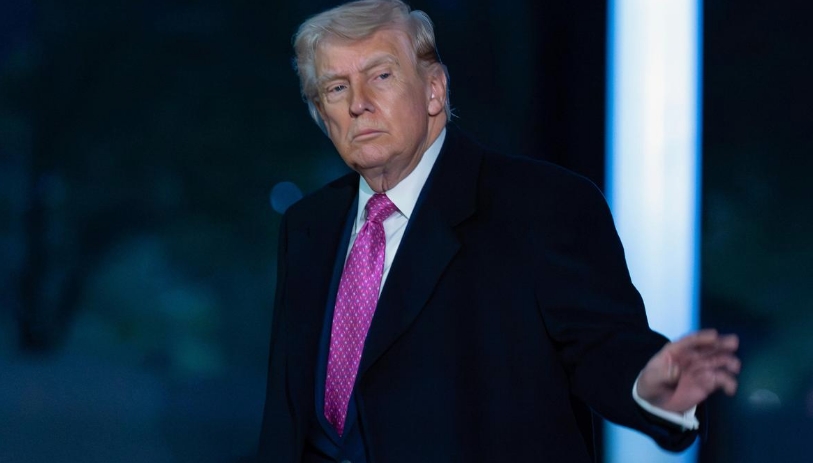
Trump threatens more strikes, oil prices rise. Iran war live updates – The intensifying dispute between the United States and Iran has entered a hazardous new phase, as Donald Trump reaffirmed threats of escalated military strikes, sending shockwaves through global energy markets and heightening worries of a prolonged regional war.
What began as a strategic military campaign has now morphed into a complex geopolitical crisis with far-reaching economic ramifications, most seen in the spectacular spike in oil prices and the mounting instability in global financial institutions.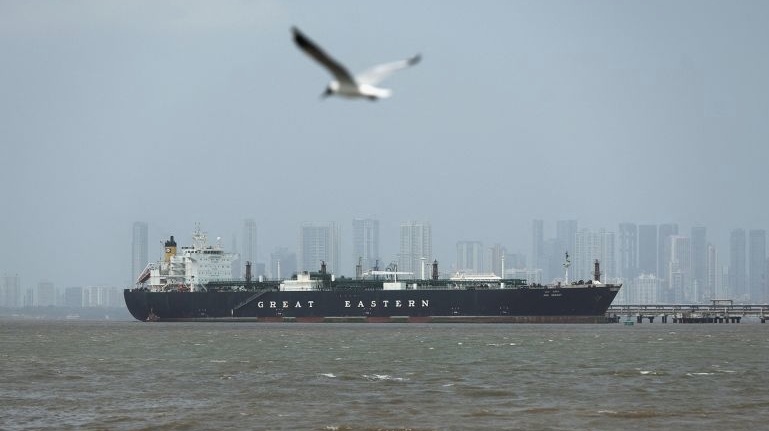
From the onset, Trump’s language has been both aggressive and surprising. In recent speeches, he hinted that U.S. forces are prepared to “hit Iran extremely hard” in the coming weeks, underscoring that the campaign is far from over despite earlier signals that the battle might be nearing completion. This contradiction—claiming approaching victory while simultaneously raising threats—has fostered uncertainty among allies, investors, and analysts alike. Markets, which rely heavily on predictability, reacted nearly instantaneously.
Oil prices soared substantially following Trump’s words, with global benchmarks soaring beyond $110 per barrel, marking one of the most significant jumps since the early stages of the conflict. The quick surge reflects rising fears that the war could disrupt important supply channels, particularly through the Strait of Hormuz, a narrow but vital corridor responsible for a substantial portion of the world’s oil supplies. With maritime traffic in the region substantially decreased, energy markets are already pricing in the danger of extended supply shortages.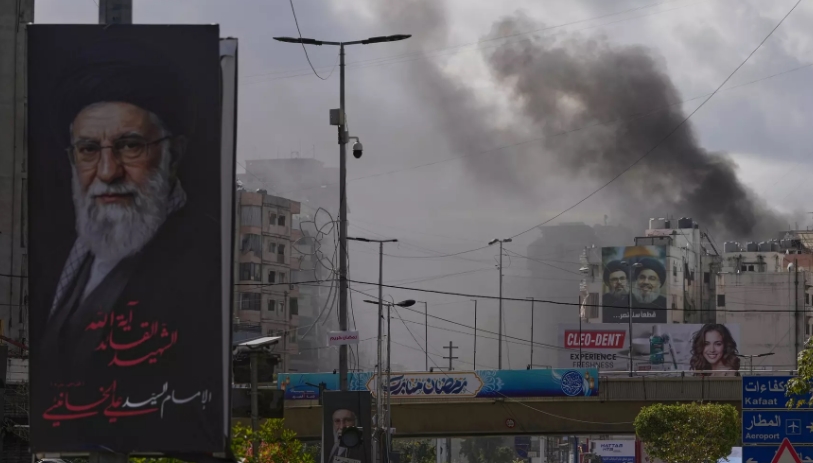
The situation in the Strait of Hormuz has become a focal point of the economic crisis. Reports indicate that maritime activity has reduced drastically, with some estimates claiming that barely a percent of regular shipping is currently traveling through the strait.
This interruption has pushed oil merchants to halt transactions and reroute shipments, creating bottlenecks that ripple across global supply lines. For countries strongly dependent on imported energy—particularly in Asia and Europe—the implications are immediate and severe, ranging from increased fuel costs to broader inflationary pressures.
Financial markets have not been spared. Stock indices across the United States and Europe have witnessed strong drops as investors react to the combination danger of growing energy costs and geopolitical turmoil. The Dow Jones Industrial Average alone plunged hundreds of points in a single session, showing widespread concern that the conflict could hinder economic progress. Meanwhile, sectors such as aviation and manufacturing—both extremely sensitive to gasoline prices—have come under substantial pressure, while energy businesses have received short-term profits due to the price spike.
On the ground, the war continues to deepen. The U.S.-led strikes, began in late February, targeted critical Iranian military and infrastructure targets, marking the beginning of a prolonged campaign aimed at degrading Tehran’s strategic capabilities. Iran, in turn, has responded with missile and drone attacks on U.S. bases and ally targets across the area, as well as measures to disrupt maritime traffic. The cycle of attack and counterattack has created a hazardous feedback loop, boosting the potential of a bigger regional war involving other entities.
The humanitarian and political repercussions are equally significant. Civilian populations in afflicted areas confront increased uncertainty as infrastructure is devastated and security deteriorates. In neighboring countries such as Lebanon, the violence has spilled over, increasing existing tensions and displacing enormous numbers of people. International officials have expressed alarm about the lack of a clear diplomatic pathway, with some condemning the unilateral nature of the U.S. approach and urging for renewed negotiations. Trump threatens more strikes, oil prices rise
Despite the escalation, Trump has maintained that the war is both essential and tactically justified. He has frequently portrayed the battle as a preventative effort to prevent Iran from getting nuclear weapons, while simultaneously indicating that the United States may take control of Iranian oil resources as part of its bigger agenda. Such statements have garnered criticism for potentially inflaming tensions further and hampering diplomatic efforts.
At the same time, there are evidence of behind-the-scenes diplomacy. Countries such as Oman and Pakistan have reportedly attempted to mediate between Washington and Tehran, investigating measures to de-escalate the dispute and reopen crucial shipping lines. However, progress has been slow, and the ongoing exchange of threats and military acts has damaged confidence in any near-term resolution.
The worldwide economic impact of the crisis is becoming increasingly clear. Rising oil prices are feeding into increased transportation and production expenses, which in turn are driving up consumer prices worldwide. Central banks and international organizations have warned that prolonged instability might ignite a fresh wave of inflation, particularly in poorer nations that are more vulnerable to energy shocks. In certain locations, governments have already begun introducing subsidies and emergency measures to cushion the impact on individuals and companies. Trump threatens more strikes, oil prices rise
Energy analysts caution that even if the Strait of Hormuz were to reopen fully, the harm to market confidence may remain for months. The potential of renewed disruptions would continue to pressure on prices, while physical damage to infrastructure might limit supply in the short term. Additionally, similar developments—such as attacks on energy facilities in other regions of the world—are exacerbating the perception of a global energy system under strain.
Ultimately, the trajectory of the battle remains undetermined. Trump’s tough approach signals that greater escalation is inevitable in the near future, even as he asserts that the end is within grasp. This dual narrative—of imminent victory and ongoing confrontation—has become a distinguishing element of the economic crisis, affecting both public perception and market behavior.
For now, the globe watches intently as events unfold. The stakes are exceedingly high, not only for the countries directly engaged but for the global economy as a whole. As oil prices continue to soar and tensions stay elevated, the Iran war stands as a harsh reminder of how rapidly regional conflicts may escalate into catastrophes with worldwide ramifications. Trump threatens more strikes, oil prices rise