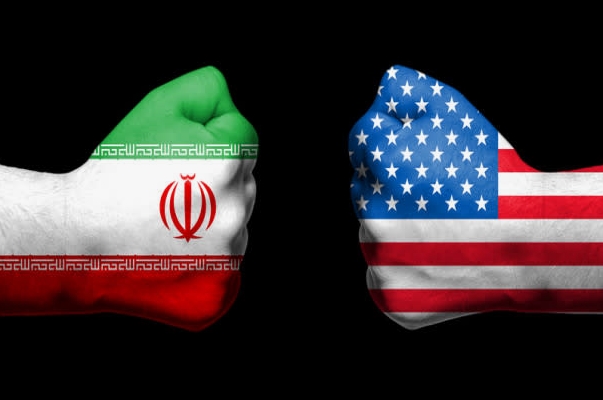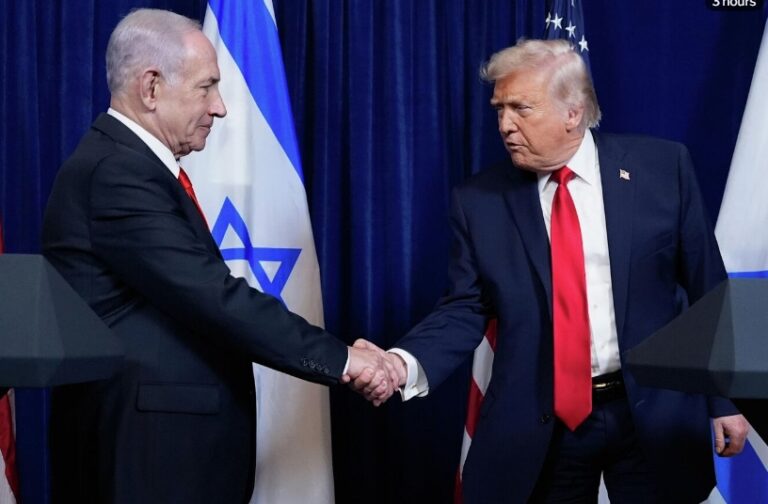

Trump says ending Iran war will be mutual decision with Netanyahu – The ongoing battle between the United States, Israel, and Iran has become one of the most dangerous geopolitical crises in recent years. Amid mounting military actions and rising global worries, U.S. President Donald Trump has indicated that the decision to terminate the war with Iran will not be decided unilaterally by Washington. Instead, he said it will be a “mutual” decision made in collaboration with Israeli Prime Minister Benjamin Netanyahu.
The comment shows the close strategic alignment between the United States and Israel as they fight Iran, a nation both presidents have long warned of posing a major threat to regional stability and Israeli security. Trump’s words also illustrate how tightly linked the two countries’ military and political agendas have become during the fight.
A Joint Decision on Ending the War
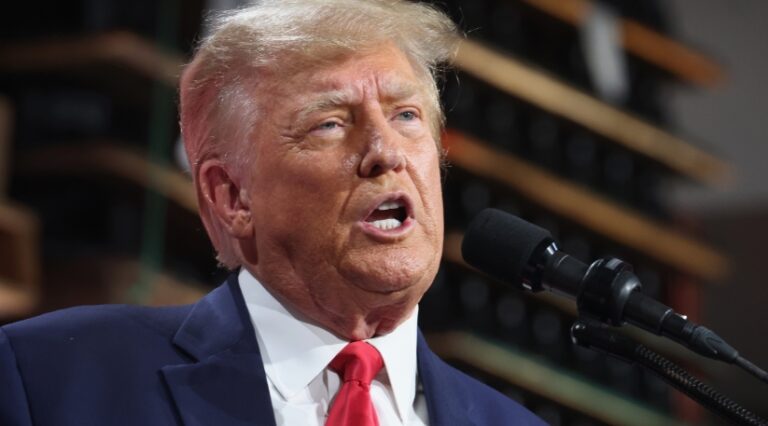
In a recent telephone interview with The Times of Israel, Trump stated that conversations between Washington and Jerusalem are ongoing as the battle continues. He emphasized that while the United States retains ultimate authority over its military activities, Netanyahu’s opinion will play a vital part in choosing when the fight should finish.
“I think it’s mutual… a little bit. We’ve been talking. I’ll make a judgment at the correct time, but everything’s going to be taken into account,” Trump said, emphasizing that Israel’s position will factor into the final decision.
Trump’s remark illustrates the close collaboration between the two countries since the war erupted. The United States and Israel have been conducting combined military operations against Iranian targets, including missile infrastructure, military sites, and facilities alleged to be tied to Iran’s nuclear program.
Although Trump hinted that he would eventually make the final call, his emphasis on consultation with Netanyahu signals that Washington intends to keep Israel closely involved in any decisions on the conflict’s future.
Background of the Conflict
The battle between Iran and the U.S.–Israel axis escalated drastically in late February when coordinated strikes attacked critical Iranian leadership and military assets. One of the most controversial occasions happened when Iran’s Supreme Leader, Ali Khamenei, was slain during the opening stages of the conflict, an incident that exacerbated hostilities and garnered international attention. Trump says ending Iran war will be mutual decision with Netanyahu
Following his death, Iran rapidly proceeded to create a new leader. The Assembly of Experts nominated Mojtaba Khamenei, the son of the late leader, as the country’s new supreme authority, marking a historic hereditary shift in the Islamic Republic’s leadership.
The leadership shift did little to alleviate tensions. Instead, Iran promised revenge and launched missile and drone attacks against Israeli land and U.S. military facilities across the area. The fight has since stretched over numerous fronts in the Middle East, with military activity reported in the Persian Gulf, Iraq, and places near Israel’s borders.
Trump Defends U.S.–Israel Cooperation
Trump has frequently defended the united campaign against Iran, insisting that dramatic action was vital to prevent what he regards as an existential threat to Israel. According to Trump, Iran had long planned to destabilize the area and potentially destroy Israel. The president said that the concerted effort between the U.S. and Israel had averted a far greater confrontation from occurring.
“Iran was going to destroy Israel and everything else around it,” Trump declared during the interview. “We’ve worked together. We’ve annihilated a country that sought to destroy Israel.” Such words have stirred discussion among international observers. Supporters claim that robust military action was necessary to prevent Iran’s regional ambitions, while critics worry that the conflict risks growing into a prolonged regional war. Trump says ending Iran war will be mutual decision with Netanyahu
No Clear Timeline for the War
Despite his comments about coordinating with Netanyahu, Trump has not set a clear schedule for when the war would conclude. Officials in Washington have hinted that the conflict might extend several weeks, depending on how the military situation evolves and whether Iran maintains its retaliation attacks. However, Trump himself has resisted committing to any set timeframe. Trump says ending Iran war will be mutual decision with Netanyahu
Instead, the president has consistently said that the conflict would stop when the strategic objectives of the United States and Israel are achieved. Those aims apparently include reducing Iran’s military capabilities, stopping nuclear development, and neutralizing threats against Israel.
Could Israel Continue the War Alone?
Another significant topic posed during Trump’s interview was whether Israel might continue battling Iran even if the United States opted to suspend its own military operations. Trump discounted the notion, saying he does not believe such a situation would be required. He declined to elaborate further but implied that the U.S.–Israel partnership will remain unified during the fight. His reaction underlined the longstanding strategic alliance between the two nations, which has long been a cornerstone of U.S. strategy in the Middle East.
Global Concerns and Rising Tensions
The war has caused considerable worry among world leaders and financial markets. Oil prices have climbed beyond $100 per barrel as fears mount that the confrontation will impede shipping routes in the Strait of Hormuz, one of the world’s most crucial energy corridors.
Several governments have urged prudence, warning that sustained escalation might destabilize the entire region. Meanwhile, international organizations and diplomatic groups are attempting to mediate or urge negotiations to prevent the crisis from escalating further. The humanitarian situation is also becoming a significant worry, as citizens across the region endure the impacts of missile strikes, air raids, and mounting economic turmoil. Trump says ending Iran war will be mutual decision with Netanyahu
What Comes Next?
Trump’s insistence that ending the war will be a joint decision with Netanyahu shows that the United States and Israel aim to remain firmly aligned as the fight develops. However, the situation remains fluid, with many uncertainty concerning Iran’s response and the broader geopolitical ramifications.
Whether the battle ends quickly or expands into a lengthy confrontation will likely rely on several factors: the efficiency of ongoing military operations, Iran’s readiness to talk, and international diplomatic pressure.
For now, Trump’s words underline the key importance of the U.S.–Israel partnership in dictating the path of the conflict—and suggest that any final truce or peace solution will arise from tight collaboration between Washington and Jerusalem.
As the battle continues to unfold, the world watches attentively, conscious that decisions taken by leaders such as Donald Trump and Benjamin Netanyahu could influence not just the result of this conflict but also the future stability of the Middle East. Trump says ending Iran war will be mutual decision with Netanyahu
About the Author