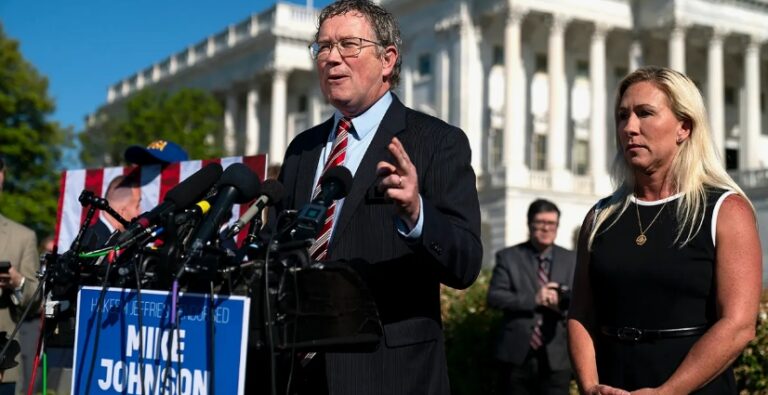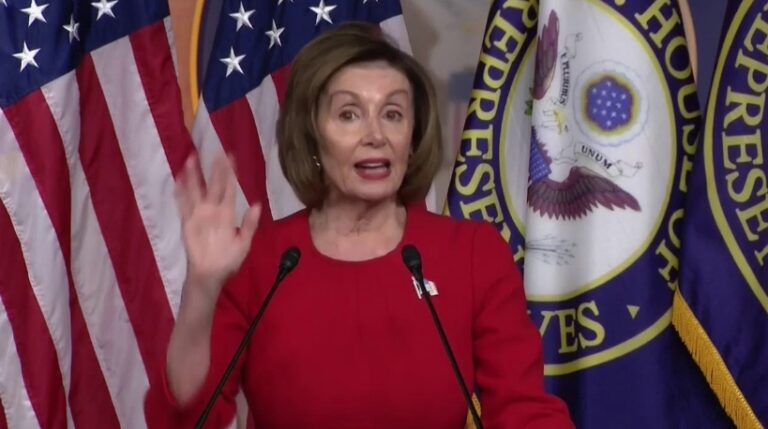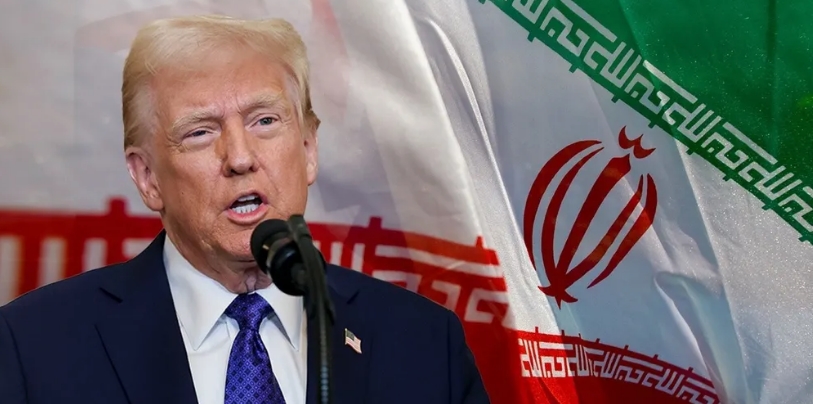
Trump jabs MAGA media figures critical of his Iran threats – There are clear indications of tension in the political coalition that formerly characterized the contemporary conservative media environment. Donald Trump is at the center of the storm. He has responded to criticism of his tough rhetoric toward Iran by prominent media people affiliated with MAGA with a sharp and personal attack. Ideological fault lines that had long simmered beneath the surface of what was once a closely united movement—bound by similar message and political loyalty—have started to crack in real time.
A Loyalty-Based Movement Encounters Internal Opposition
Trump’s connections with prominent conservative pundits served as a mutually beneficial ecosystem for many years. While Trump increased their platforms and legitimacy among his supporters, media figures amplified his message. But that equilibrium has been upset by the growing hostilities with Iran. A number of prominent individuals who previously supported Trump’s “America First” philosophy are now publicly wondering whether his current stance runs counter to the fundamental ideas that drove his ascent.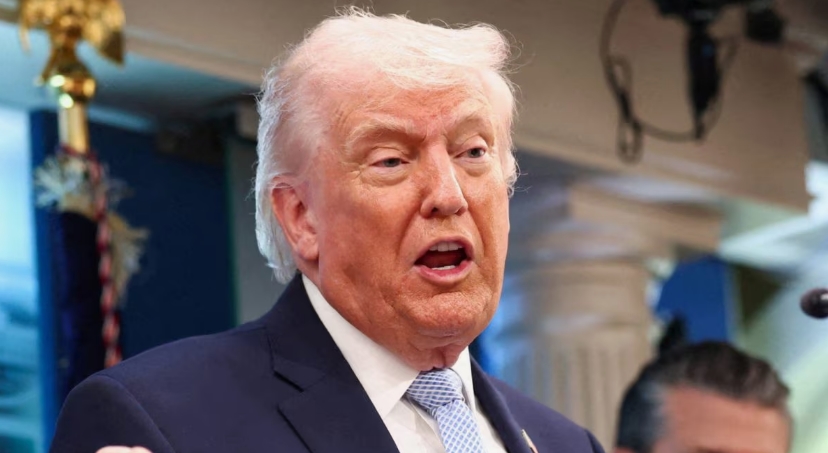
Some of the most outspoken critics are voices like Candace Owens, Megyn Kelly, and Tucker Carlson. They are worried about what they see as a shift from Trump’s longstanding hostility to foreign wars, as well as the possible humanitarian repercussions of military expansion. This criticism is noteworthy not only because of its content but also because it comes from people who are well-known in the MAGA media.
Trump’s Rebuttal: Redefining Loyalty
Trump has responded with his usual bluntness, refusing to moderate his words or address these criticisms in a meaningful way. He denounced his detractors as misguided attention-seekers in a number of public remarks. He went on to claim that they have a basic misconception about what the MAGA movement stands for, using allegiance to his leadership as the standard for authenticity.
Trump basically proclaimed himself the only arbiter of the movement’s identity in one particularly noteworthy instance, highlighting the fact that MAGA’s primary goal is to stop Iran from obtaining nuclear weapons. This rhetorical technique is important because it reframes disagreement as an issue of allegiance rather than a policy discussion. Dissenters are seen as outsiders to the movement itself rather than just critics.
The Flashpoint of Iran
Trump’s growing hostility against Iran is at the core of the dispute. Both political rivals and some of his own supporters have been worried by his threats of massive military reprisal and remarks implying the potential for catastrophic strikes. Such rhetoric, according to critics, runs the risk of unnecessarily raising tensions and could have disastrous effects on civilians.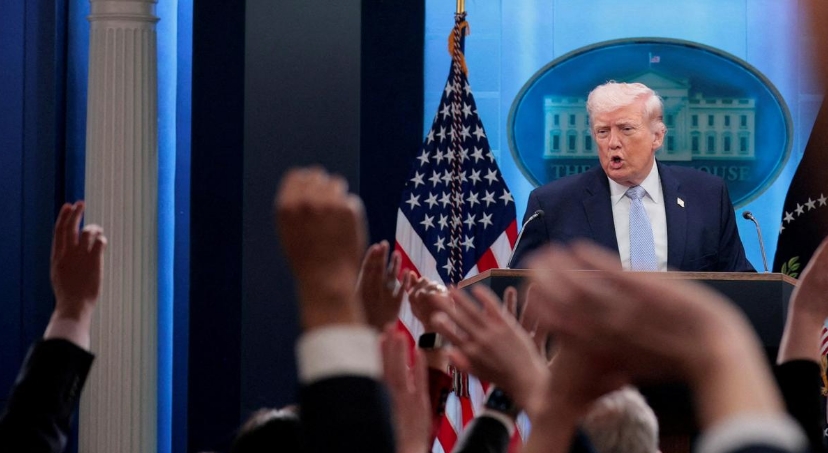
Many in the MAGA media ecosystem believe that consistency is more important than Iran. Trump’s past campaigns placed a strong emphasis on moderation and pledged to stay out of expensive international conflicts. Critics argue that the current state of affairs seems to go against that pledge, casting doubt on whether the movement’s core values are changing.
A Broken Media Environment
A unusual and conspicuous rift within conservative media has been revealed by the consequences. While some individuals continue to be ardent supporters of Trump, others have adopted more aggressive stances against both him and one another. Public disputes have broken out, with pundits doubting one other’s intentions and exchanging personal attacks.
The impact of conservative media figures inside the larger political movement is highlighted by this fragmentation. They serve as a potent amplifier for Trump’s agenda when they band together. When split apart, they produce conflicting narratives that have the potential to perplex and undermine the base. Analysts point out that even a tiny but well-known group of dissenters can have a significant impact on public opinion, even when the majority of pro-Trump media still support him.
MAGA’s Ideological Conflicts
Deeper ideological conflicts within the MAGA alliance are being brought to light by the current controversy. Interventionists who believe that forceful military action is required to combat global challenges are on one side. Isolationists, on the other hand, oppose foreign involvement and place a higher priority on home matters. These opposing viewpoints are now directly at odds due to the Iranian dilemma.
Some detractors have even gone so far as to caution that Trump’s statements might damage the movement’s reputation or perhaps have wider political repercussions. Others have expressed moral concerns about the possible human cost of military expansion in order to justify their resistance.
Trump’s supporters, on the other hand, contend that his language is a tactical instrument to coerce Iran into making concessions and that his strategy is compatible with a harsh position toward rivals. This discrepancy in understanding is a reflection of a larger lack of clarity regarding the practical meaning of “America First.”
Public and Political Consequences
In the context of broader political turmoil, the internal debate within MAGA media is taking place. Democrats have criticized Trump’s remarks regarding Iran; some have questioned his suitability for office and demanded possible constitutional action. Such actions add to the sense of unpredictability surrounding the situation, even though they are still unlikely given the current political environment. Trump jabs MAGA media figures critical of his Iran threats
The administration is juggling ongoing talks with Iran and a precarious ceasefire at the same time. Uncertainty has increased both domestically and globally due to conflicting narratives regarding the terms and status of these initiatives.
The MAGA Coalition’s Future
It is still uncertain whether this schism will result in long-lasting changes inside the MAGA movement, despite the current unrest. In the past, Trump has proven to be remarkably adept at retaining the loyalty of his supporters despite scandal. According to some observers, the majority of supporters—as well as numerous media personalities—will eventually reconsider.
But the ferocity of the current conflict raises the possibility that something more important is at work. Prominent allies’ readiness to openly oppose Trump shows a degree of discontent that is difficult to ignore. It also raises concerns about the movement’s long-term prospects, especially in light of the emergence of new voices and leaders. Trump jabs MAGA media figures critical of his Iran threats
A Pivotal Moment
In the end, the conflict between Trump and his media detractors about Iran might turn out to be a pivotal point for the MAGA movement. It has brought to light the boundaries of allegiance, the difficulties of preserving unity in the face of crucial foreign policy choices, and the intricacy of ideological alignment.
Once a strong political and media alliance, it now seems more like a coalition under duress, driven apart by divergent future ideas but held together by a common past. It remains to be seen if this stress results in a transient rupture or a long-lasting shift.
One thing is certain for the time being: the discussion surrounding Iran has evolved beyond a disagreement on foreign policy. It is an examination of leadership, identity, and the movement’s core principles. Trump jabs MAGA media figures critical of his Iran threats
About the Author