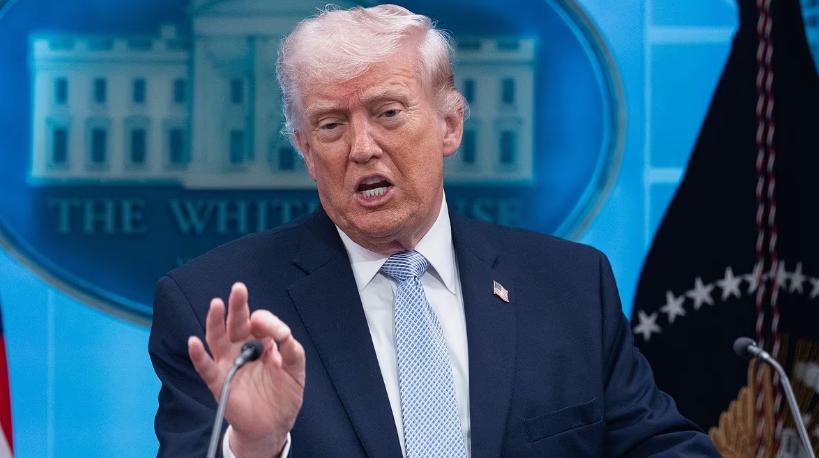
Trump hits Iran on strait use: ‘That is not the agreement we have – President Trump’s public criticism of Iran’s behavior in the strategically important Strait of Hormuz has rekindled tensions between the two countries. “That is not the agreement we have.” Trump said angrily as he accused Iran of breaking the conditions of a new ceasefire deal. In light of the truce’s apparent strain from divergent interpretations and acts on the ground, his comments reflect rising annoyance in Washington.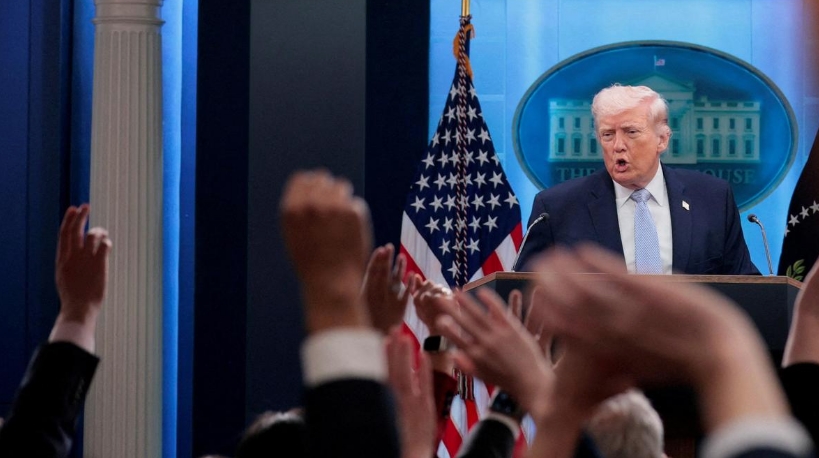
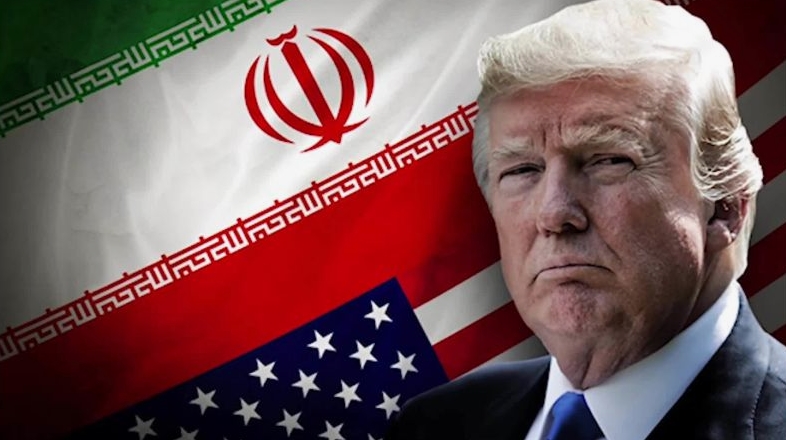
One of the world’s most important maritime passageways is at the center of the conflict. The security of international energy markets is dependent on the Strait of Hormuz, a narrow passageway through which about 25% of the world’s seaborne oil travels. The world’s economy feels the effects of any disturbance in this corridor. Shipping companies, oil producers, and governments around the world are worried that Iran’s recent actions have disrupted this stability by increasing its control over the waterway.
Trump voiced his disapproval following revelations that Iran was breaking its end of a ceasefire agreement that had been negotiated through extensive diplomatic efforts. The president of the United States claimed that everyone involved understood: if Iran agreed to temporarily halt military escalation, commercial ships could sail through the strait without incident. Trump has criticized Tehran’s actions as “dishonorable” and in opposition to the accord; instead, Washington claims that Tehran has restricted and possibly even charged tankers using the route.
The problem is further compounded by different narratives. While the United States argues that Iran is breaking the agreement, Iranian authorities have insisted that the strait remains theoretically accessible but under their oversight. This distinction is significant. From Tehran’s perspective, regulating the flow of ships—especially those linked to countries it considers adversaries—is a legitimate exercise of sovereignty during a time of crisis. From Washington’s standpoint, however, any interference with unfettered navigation undermines the fundamental premise of the truce.
The ramifications of this standoff are already obvious. Hundreds of vessels have reportedly been delayed or trapped along the strait, creating a bottleneck that threatens global supply chains. Oil prices have increased in response, reflecting market fear over probable shortages and extended volatility. For many countries, particularly those largely reliant on Middle Eastern energy exports, the interruption represents not merely an economic issue but a strategic risk. Trump hits Iran on strait use
Trump has made it plain that the reopening of the strait is non-negotiable. In his view, the ceasefire rests entirely on Iran’s compliance with this critical requirement. His language has been increasingly strong, warning that failing to follow the pact could lead to further military action. This firm attitude underscores the greater U.S. objective: ensuring that the Strait of Hormuz remains an open and secure international waterway, free from political manipulation or coercion.
Yet the route forward is far from easy. Diplomatic negotiations are ongoing, with officials from both sides set to meet in Islamabad in hopes of salvaging the accord. These conversations come at a critical point, as both nations assess the costs of escalation against the benefits of compromise. For the United States, preserving confidence and protecting global trading channels are important. For Iran, the strait offers a potent negotiation chip—one that can be used to extort concessions or impose regional influence.
Complicating matters further is the broader geopolitical context. The war between the U.S. and Iran has pulled in other regional actors, particularly Israel, whose ongoing military activities have added another layer of anxiety. This linked web of disputes makes it difficult to isolate the Strait of Hormuz issue from the bigger factors at play. Any resolution will likely require addressing not only maritime security but also the underlying political and military conflicts driving the crisis.
From a strategic sense, Iran’s actions might be considered as a premeditated move. By asserting control over the strait, Tehran demonstrates its potential to influence global markets and challenge U.S. dominance in the region. Analysts observe that location has historically been Iran’s greatest asset in this regard. The narrowness of the strait permits even meager military capabilities to have outsized impacts, providing Iran influence that reaches far beyond its borders.
For Trump, however, the scenario poses both a difficulty and an opportunity. On one hand, the perceived breaking of the deal risks damaging his administration’s diplomatic efforts and could bring criticism at home. On the other hand, taking a tough line against Iran may bolster his image as a resolute leader prepared to safeguard American interests. His public pronouncements, typically delivered through social media, are aimed not only to push Tehran but also to alter domestic and international perceptions of the crisis. Trump hits Iran on strait use
Despite the intense language, there is a window for de-escalation. Both sides have signaled, at least informally, a readiness to resume conversations. The ceasefire, albeit weak, provides a framework around which a more sustainable accord could be developed. However, this will require trust—something that is currently in short supply. Each side accuses the other of poor faith, making it impossible to develop common ground.
Ultimately, the disagreement over the Strait of Hormuz is about more than just a waterway. It is a reflection of deeper tensions between the United States and Iran, founded in decades of mistrust, opposing interests, and regional rivalries. The current situation demonstrates how rapidly these tensions can rise and how difficult they are to handle once they do.
As the world watches attentively, the stakes could hardly be higher. A protracted disruption in the strait would have far-reaching effects, affecting everything from fuel costs to global economic stability. Conversely, a good resolution could open the door for broader cooperation and lessen the danger of future conflict.
For now, Trump’s message is plain and uncompromising: Iran must adhere to the agreement and ensure the free flow of oil through the Strait of Hormuz. Whether Tehran chooses to comply—or continues to impose its control—will determine not only the fate of the ceasefire but also the course of one of the most explosive relationships in international affairs today. Trump hits Iran on strait use