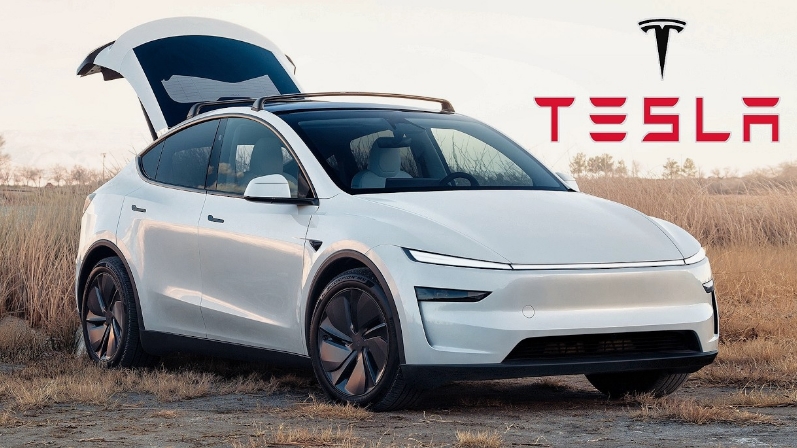
Tesla’s top rival launches EV battery tech promising full charge in about 10 minutes -The electric vehicle (EV) revolution has been distinguished by rapid technological improvements, but one persistent obstacle remains: charging time. While EVs provide significant efficiency and environmental benefits, many drivers still worry about the time required to recharge their batteries compared with filling up a gasoline car. Now, that long-standing issue could soon diminish owing to a key invention from BYD, one of the world’s top electric car manufactures and a direct rival to Tesla.
BYD recently developed next-generation battery technology capable of charging in roughly the time it takes to grab a cup of coffee. The development aims to bring electric car charging closer than ever to the speed of recharging a regular gasoline vehicle, potentially changing the EV business and putting pressure on competitors to keep up.
A Battery That Charges in Minutes, Not Hours
At the heart of BYD’s presentation is a new iteration of its battery system built for extraordinarily quick charging. According to sources, the technology can charge from around 20% to nearly full capacity in under 12 minutes, even in cold weather conditions.
This is a huge leap ahead compared with many current EV charging solutions. Even with today’s high-speed charging stations, many electric vehicles still require 30 minutes or more to get an 80% charge. Fast charging exists, but the time difference between a fuel refill and an EV charge has remained a psychological hurdle for many drivers.
With BYD’s new battery system, that margin begins to decrease drastically. In addition to its rapid charging capability, the battery also supports vehicles capable of traveling up to 777 kilometers (approximately 483 miles) on a single charge in certain models. This combination of high driving range and lightning-fast charging might considerably alleviate “range anxiety,” one of the most often reported worries among prospective EV purchasers.
A Direct Challenge to Tesla
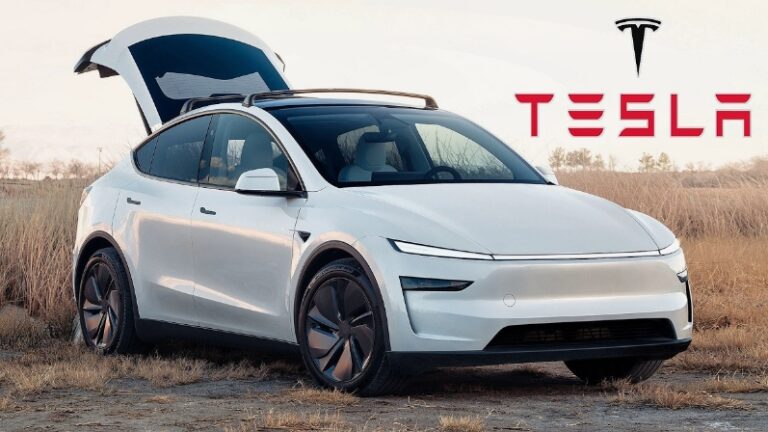
Tesla has long been regarded the bar for electric vehicle technology, especially with its widely deployed Supercharger network. However, BYD’s new technology looks to push the limits of charging speed beyond what Tesla now delivers.
Tesla’s Superchargers can add roughly 200 miles of range in around 15 minutes, depending on the model and charging conditions. While this is already regarded fast in the EV market, BYD’s method intends to charge even faster.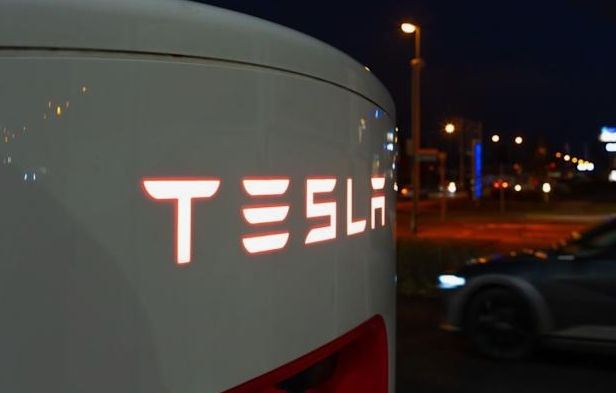
The Chinese carmaker has also introduced a new “Flash Charging” network capable of delivering extraordinarily high power levels to compatible automobiles. In tests, the company exhibited chargers outputting up to 1,500 kilowatts, significantly beyond many existing charging stations.
For comparison, many existing high-speed public chargers operate at roughly 350 kilowatts or fewer. In practical terms, such high power output means drivers could potentially add hundreds of miles of driving range in only a few minutes—something that was practically inconceivable for EVs only a decade ago.
The Technology Behind Ultra-Fast Charging
Achieving such quick charging speeds is far from simple. Lithium-ion batteries generally confront various technical difficulties when charged too quickly. Excessive heat buildup, lithium plating, and battery damage can all occur if the charging process isn’t carefully handled.
BYD’s approach incorporates a combination of advances in battery chemistry, electrical architecture, and charging infrastructure. One key component is the company’s upgraded Blade Battery platform, which has become one of BYD’s signature technologies. The battery design prioritizes safety, thermal management, and structural efficiency, allowing it to handle increased charging speeds while preserving durability.
Additionally, the new system relies on high-voltage vehicle platforms, sometimes approaching or exceeding 1,000 volts. These higher voltages allow power to flow more efficiently into the battery, facilitating quick energy transfer without overwhelming the system.
Advanced cooling systems also play a significant role. Ultra-fast charging generates large quantities of heat, and maintaining the battery within safe temperature limits is critical for both performance and longevity.
A Massive Charging Network to Support It
Technology alone isn’t enough. For ultra-fast charging to succeed, the infrastructure must also exist to support it. Recognizing this, BYD is proposing a substantial expansion of its charging network. The company intends to deploy tens of thousands of flash-charging stations, including many along key routes.
These stations will allow drivers to take use of the new technology on long excursions, making electric vehicles more viable for cross-country travel. The move also underscores an important trend in the EV industry: automakers are increasingly investing in charging infrastructure themselves rather than depending entirely on third-party providers. Tesla pioneered this technique with its Supercharger network, and now competitors are keen to follow the same path. Tesla’s top rival launches EV battery tech promising full charge in about 10 minutes
Fierce Competition in the EV Battery Race
BYD isn’t the only business trying to develop faster-charging batteries. Other important participants in the EV ecosystem are also pushing the frontiers of what’s feasible. For example, battery firm CATL has claimed its latest technology could offer over 500 kilometers of driving range with just five minutes of charging.
Meanwhile, Chinese EV maker Zeekr announced batteries capable of charging from 10% to 80% in only 10.5 minutes using its own ultra-fast charging stations. These advances indicate exactly how intense the battery arms race has gotten. Faster charging is often viewed as one of the final barriers keeping EVs from entirely replacing fuel vehicles. Whoever solves it first could acquire a substantial competitive edge.
Why Faster Charging Matters
For regular drivers, the benefits of ultra-fast charging are clear to understand. Imagine stopping at a charging station during a road trip and spending roughly the same amount of time there as you would at a gas station. Instead of waiting 30 or 40 minutes, drivers may potentially refuel their automobiles in roughly 10 minutes. Tesla’s top rival launches EV battery tech promising full charge in about 10 minutes
That convenience could drastically drive EV adoption. Shorter charging periods also make electric vehicles more realistic for commercial fleets, ride-hailing services, and delivery companies, where downtime can directly effect profitability. In essence, faster charging makes EVs behave more like traditional vehicles in terms of convenience—while still giving the environmental advantages of electric power.
Challenges Ahead
Despite the euphoria surrounding these accomplishments, significant hurdles remain. First, ultra-fast charging requires specialized infrastructure capable of handling extraordinarily high power levels. Installing these systems can be expensive and may need considerable improvements to local electricity infrastructures. Tesla’s top rival launches EV battery tech promising full charge in about 10 minutes
Second, not every EV currently on the road can support such high charging speeds. Drivers would need automobiles specifically equipped for the new technology. Finally, long-term battery endurance remains an essential topic. Charging at excessively high speeds can significantly cause battery wear if not managed appropriately. However, automakers and battery manufacturers are aggressively attempting to address these challenges.
The Future of EV Charging
The contest to produce the fastest-charging electric vehicle battery is heating up, and the outcome might change the automotive industry. With businesses like BYD pushing the frontiers of charging speed, the ideal of “gasoline-like convenience” for electric vehicles may soon become true.
If the technology proves dependable and scalable, it might erase one of the remaining big psychological barriers keeping many people from transitioning to electric automobiles. For Tesla and other EV leaders, the message is clear: innovation in battery technology is increasing faster than ever.
And for drivers, the future might involve charging an electric automobile in about the same time it takes to fill up a tank of gas—something that once sounded like science fiction, but is now rapidly becoming practical. Tesla’s top rival launches EV battery tech promising full charge in about 10 minutes
About the Author