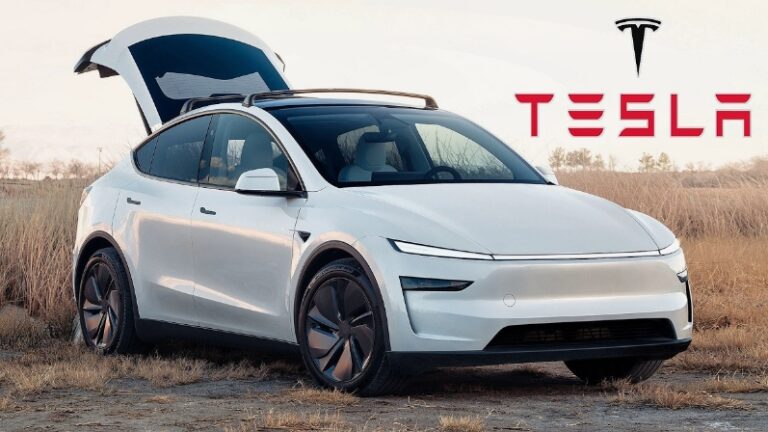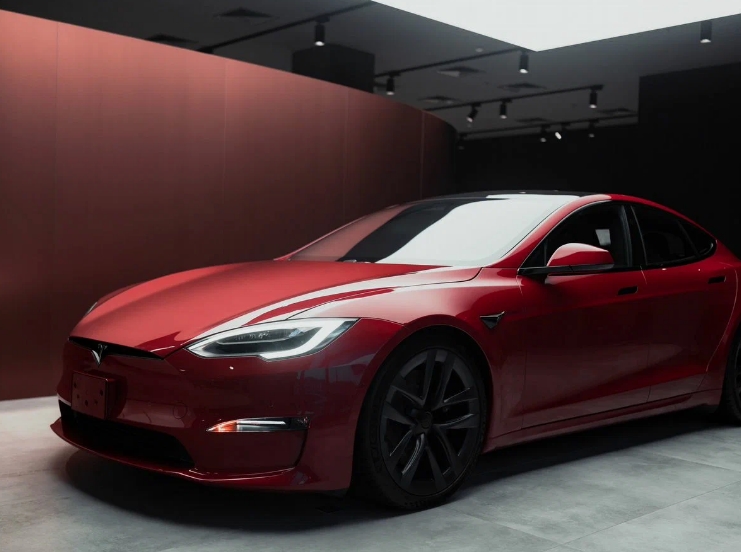
Tesla removes Autopilot for good and Musk warns of FSD price rises – It certainly does feel like the last chapter of a long, familiar saga for Tesla buyers in North America. For years, “Autopilot” wasn’t just a feature—it was part of Tesla’s character. It was the thing salespeople raved about, the demo that impressed friends on a first drive, the silent promise that you were buying into the future. Now, that future comes with a monthly fee.
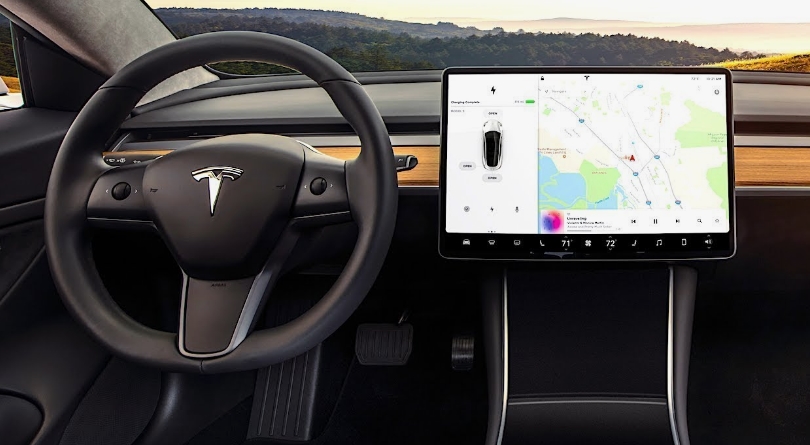
Tesla has officially disabled Autopilot as a standard feature on new Model 3 and Model Y vehicles in North America. If you place an order today, the car will no longer contain the lane-keeping and traffic-aware steering that once defined the brand. Instead, new buyers get only basic cruise control—speed hold, no steering help, no smarts. In other words, the kind of system you’d expect from an entry-level car from a decade ago, not a tech-forward electric vehicle that previously dominated the market. Tesla removes Autopilot for good and Musk warns of FSD price rises
To reclaim what used to be normal, purchasers now have to pay. And not just once.
This shift symbolizes Tesla’s full acceptance of a subscription-based future. Advanced driver assistance is no longer something you buy with the car—it’s something you rent. The firm is guiding clients toward its Full Self-Driving (FSD) package, which is gradually transitioning from a premium option into a recurring service.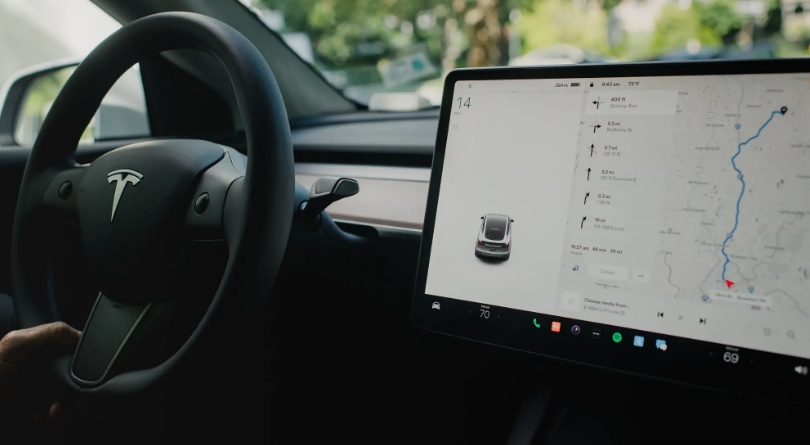
Elon Musk has been setting the framework for this move for years, but now the timing is official. Starting February 14, 2026, Tesla will lose the opportunity to purchase Full Self-Driving outright for a one-time cost, currently priced at roughly $8,000. After that, subscriptions will be the only way in. As of now, FSD costs roughly $99 per month, but Musk has already hinted that the price will climb as the software develops.
The message is clear: autonomy is no longer a characteristic you own. It’s a service you subscribe to—much like Netflix, Spotify, or cloud storage. Except this subscription regulates how your automobile performs on the road. From Tesla’s perspective, the logic is impossible to ignore.
Recurring revenue is Wall Street’s favorite phrase. Subscriptions level out income, make earnings more predictable, and boost long-term consumer value. Selling FSD originally meant Tesla collected money upfront and hoped consumers were satisfied. Subscriptions, on the other hand, mean continual income flow—especially if drivers feel they can’t live without the gadget. Tesla removes Autopilot for good and Musk warns of FSD price rises
There’s also a regulatory chess play happening behind the scenes.
For years, California regulators and safety activists have pushed back against Tesla’s use of the name “Autopilot,” alleging that it misleads drivers into believing the system is more capable than it really is. Despite disclaimers, the moniker itself has been a legal issue, related to accidents and litigation questioning whether drivers trusted the system too much. Tesla removes Autopilot for good and Musk warns of FSD price rises
By removing “Autopilot” as a baseline feature and effectively burying the branding under the premium Full Self-Driving tier, Tesla easily sidesteps much of that scrutiny. The corporation can argue that advanced features are now plainly optional, openly paid for, and actively chosen by the customer. It’s a savvy legal move that just happens to line nicely with Tesla’s financial aims.
For current Tesla owners, there’s no urgent cause to panic. If your car already has Autopilot or FSD, you keep what you paid for. Tesla isn’t going into existing automobiles and taking features away—at least not yet. But for new buyers, the equation has shifted substantially.
Buying a Tesla currently means buying the hardware first and determining later how much functionality you’re prepared to unlock. Cameras, sensors, and computers are all there, quietly waiting. But without a subscription, that futuristic EV is suddenly driving like a lot simpler machine.
This puts buyers in a difficult situation. Do you pay a monthly subscription for safety and convenience features that competitors increasingly supply as standard? Or do you accept driving a high-tech electric car with shockingly low-tech assistance? Tesla removes Autopilot for good and Musk warns of FSD price rises
Tesla is wagering that the subscription model will actually expand adoption. Previously, only roughly 12% of owners opted to acquire Full Self-Driving outright. The exorbitant upfront expense scared many individuals away. A lower monthly price, Tesla believes, will feel more approachable. Drivers might subscribe for road vacations, busy commuting seasons, or long interstate rides, then cancel when they don’t need it. But there’s another side to that bet.
For many buyers, the concept of renting features in a car they had bought feels strange. Cars have typically been products, not platforms. You paid once, and the features were yours. Subscriptions blur that divide, converting ownership into something closer to a long-term lease on functionality.
There’s also the psychological toll. Every month, drivers are reminded that their automobile could do more—if only they paid. It generates a continual sense of limitation, a sensation that the entire potential of the vehicle is locked behind a barrier.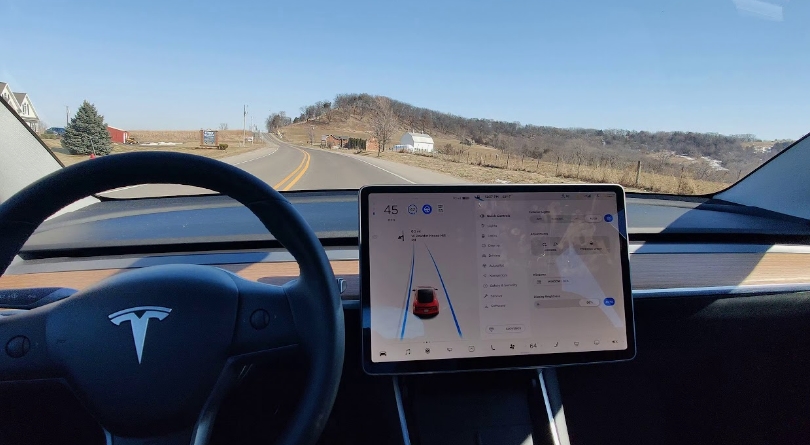
As Tesla presses toward its ultimate goal of unsupervised driving, the corporation is making its viewpoint plainly apparent. Autonomy will not be free. It will not be inexpensive. And it will not be a one-time buy. For some purchasers, this new model will feel flexible and modern.
For others, it will feel like the loss of something fundamental—the idea that when you buy a car, it should come whole. Either way, Tesla has placed a line in the road, and the age of “free” Autopilot has finally come to an end. Tesla removes Autopilot for good and Musk warns of FSD price rises
About the Author