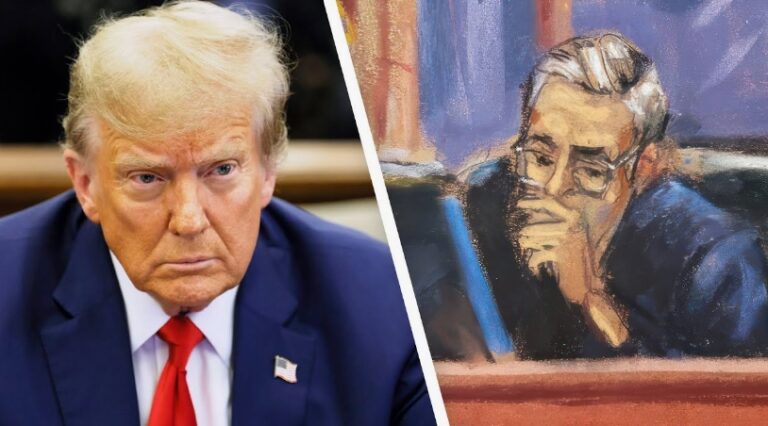
Judge reverses Trump staff reductions at Voice of America
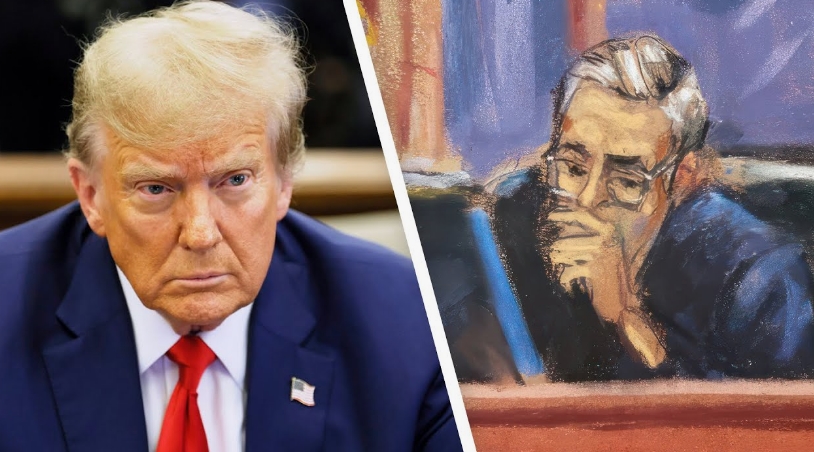
Judge reverses Trump staff reductions at Voice of America – A federal judge has dealt a significant legal setback to efforts tied to Donald Trump by reversing controversial staff reductions at Voice of America (VOA), reigniting debate over political influence, press freedom, and the independence of publicly funded media institutions.
The ruling marks a pivotal moment in a long-running dispute over the direction and governance of VOA, a U.S.-funded broadcaster with a global audience of more than 300 million people. Established during World War II to counter propaganda and promote democratic values, VOA has historically operated under a charter designed to ensure its journalism remains accurate, objective, and free from political interference.
Table of Contents
ToggleBackground of the Controversy
The dispute traces back to a series of personnel changes initiated during the final months of the Trump administration. Officials appointed under Trump implemented sweeping staffing adjustments at VOA and its parent agency, the U.S. Agency for Global Media (USAGM). These changes included the dismissal or reassignment of senior editors, journalists, and managers, many of whom had decades of experience in international reporting.
Critics argued that the moves were not routine administrative changes but rather an attempt to reshape the editorial direction of VOA. Concerns were raised that the staff reductions disproportionately affected individuals perceived as insufficiently aligned with the administration’s messaging priorities. Several journalists and advocacy groups warned that the actions threatened the credibility of VOA, particularly in regions where independent journalism is scarce and often under threat.
Supporters of the changes, however, framed them as necessary reforms aimed at improving efficiency, modernizing operations, and addressing alleged bias within the organization. They contended that as a taxpayer-funded entity, VOA should be subject to oversight and restructuring when needed.
The Legal Challenge
A coalition of VOA journalists, along with press freedom organizations, filed a lawsuit challenging the staffing decisions. The plaintiffs argued that the cuts violated statutory protections designed to shield VOA from political interference. Central to their case was the VOA Charter, which mandates that the broadcaster serve as a reliable and authoritative source of news, present a balanced and comprehensive view of American society, and clearly distinguish between news reporting and editorial opinion.
The lawsuit also claimed that the actions taken by Trump-appointed officials undermined the firewall between editorial content and government influence—a cornerstone principle intended to preserve VOA’s credibility internationally.
In reviewing the case, the federal judge examined whether the staff reductions were conducted in accordance with legal safeguards and whether they infringed upon the independence guaranteed to VOA journalists.
The Court’s Ruling
In a detailed opinion, the judge concluded that the staff reductions were improperly executed and raised serious concerns about political interference. The court found that the actions violated the statutory framework governing VOA and USAGM, particularly provisions intended to ensure journalistic independence.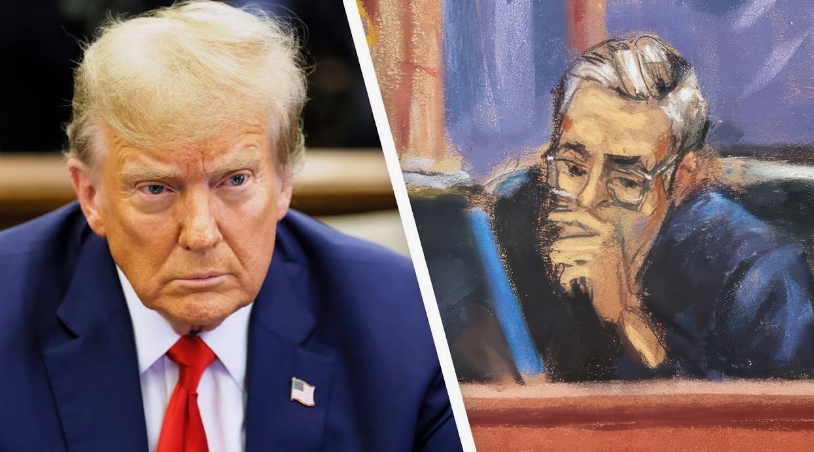
The ruling emphasized that while administrative leadership has the authority to manage personnel, such authority is not unlimited—especially when it risks compromising the integrity of a federally funded news organization. The judge ordered the reversal of the staffing decisions, effectively reinstating affected employees and restoring previous organizational structures.
Importantly, the decision underscored the principle that government-funded media must operate with a high degree of editorial autonomy. The court noted that any perception of political manipulation could damage VOA’s credibility abroad, where it often serves as a counterweight to state-controlled media.
Implications for Press Freedom
The ruling has been widely interpreted as a victory for press freedom advocates. Organizations such as the Reporters Without Borders praised the decision, calling it a reaffirmation of the importance of independent journalism in democratic societies.
VOA’s role is particularly critical in regions where access to unbiased news is limited. In countries with restrictive media environments, VOA broadcasts are often seen as a trusted source of information. Any perception that its content is influenced by U.S. political agendas could undermine its effectiveness and credibility. The judge’s decision sends a clear message that legal protections for journalistic independence are enforceable and that attempts to circumvent them will face judicial scrutiny.
Political and Institutional Reactions
Reactions to the ruling have been sharply divided along political lines. Critics of the Trump-era policies welcomed the decision as a necessary corrective measure, arguing that it restores confidence in VOA’s mission and protects it from future political interference.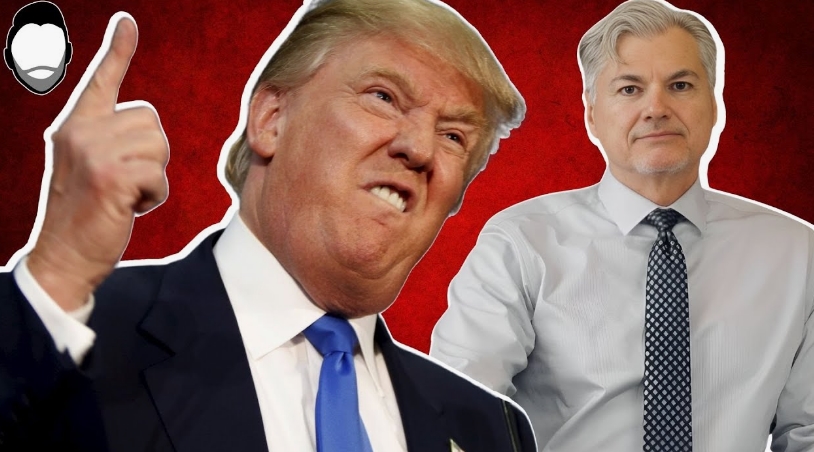
Some former officials associated with the Trump administration, however, expressed disagreement with the ruling, maintaining that the staffing changes were within the scope of executive authority. They warned that the decision could limit the ability of future administrations to implement reforms in government-funded institutions. Judge reverses Trump staff reductions at Voice of America
Within VOA itself, the ruling has been met with a mixture of relief and cautious optimism. Journalists who were affected by the staff reductions have expressed hope that the decision will allow the organization to refocus on its core mission without external pressures.
Broader Context and Future Outlook
The case highlights broader tensions surrounding the role of government in media operations. While VOA is funded by the U.S. government, its credibility depends on maintaining a clear separation between funding sources and editorial decisions. This delicate balance has been a recurring challenge throughout its history.
The ruling may also have implications for other entities under USAGM, including Radio Free Europe/Radio Liberty and Radio Free Asia. It reinforces the idea that leadership changes must respect institutional safeguards designed to protect journalistic integrity.
Looking ahead, the decision could influence how future administrations approach governance of publicly funded media. It may prompt greater scrutiny of personnel decisions and encourage the development of clearer guidelines to prevent similar disputes. Judge reverses Trump staff reductions at Voice of America
Conclusion
The judge’s reversal of staff reductions at Voice of America represents more than just a personnel decision—it is a reaffirmation of fundamental democratic principles. By upholding legal protections for editorial independence, the ruling strengthens the role of VOA as a credible and trusted source of news worldwide.
At a time when misinformation and state-controlled narratives are on the rise, the importance of independent journalism cannot be overstated. The outcome of this case serves as a reminder that even in government-funded institutions, the integrity of the press must remain paramount. As VOA moves forward, the challenge will be to rebuild trust, reinforce its mission, and continue delivering accurate and unbiased reporting to audiences around the globe. Judge reverses Trump staff reductions at Voice of America
About the Author