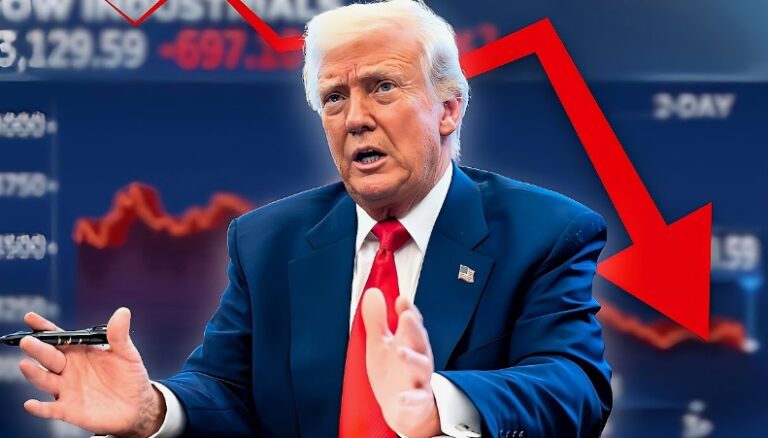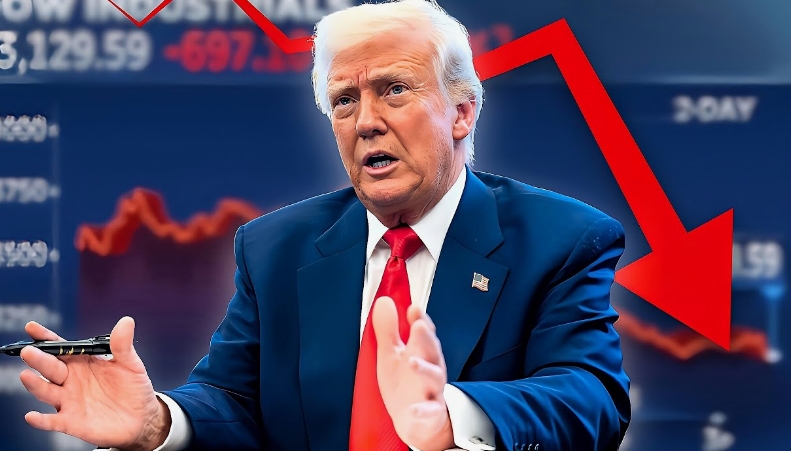
Is Trump profiting off America’s 250th? Ethics groups question merch – As the United States approaches its 250th anniversary in 2026—a milestone known as the semiquincentennial—celebrations are expected to spread across the nation with parades, commemorations, and a renewed reflection on American identity. Yet among the patriotic buildup, a more acrimonious topic has emerged: is Donald Trump abusing this historic moment for personal financial gain?.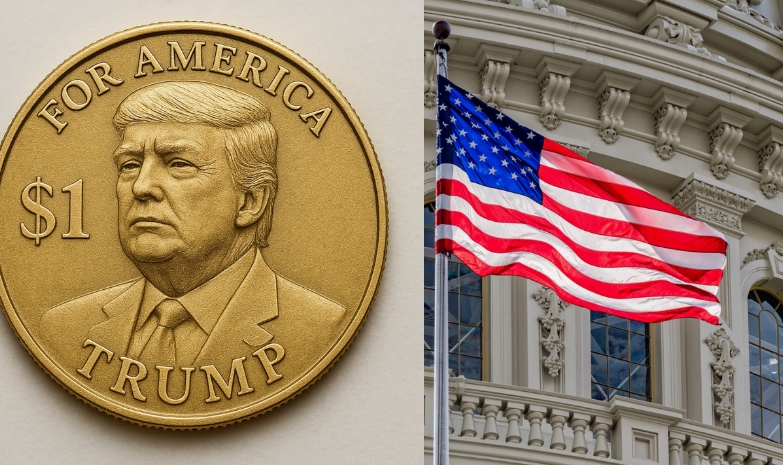
At the crux of the debate are accusations that Trump-affiliated businesses and campaign-linked groups have begun advertising and selling products themed to America’s 250th birthday. These products—ranging from branded clothes and commemorative coins to limited-edition memorabilia—are sold using patriotic imagery and language that closely matches with the approaching national event. While political merchandising is nothing new in American politics, ethics watchdogs contend that connecting such products to a big national milestone raises deeper issues about the convergence of public events and private profit.
A Celebration Meets Commerce
The United States semiquincentennial is not just another holiday—it represents 250 years since the signing of the Declaration of Independence in 1776. Federal and state governments, together with numerous organizations, have spent years arranging events meant to honor the country’s history, ideals, and cultural evolution. For many Americans, this occasion represents an opportunity for unity and introspection.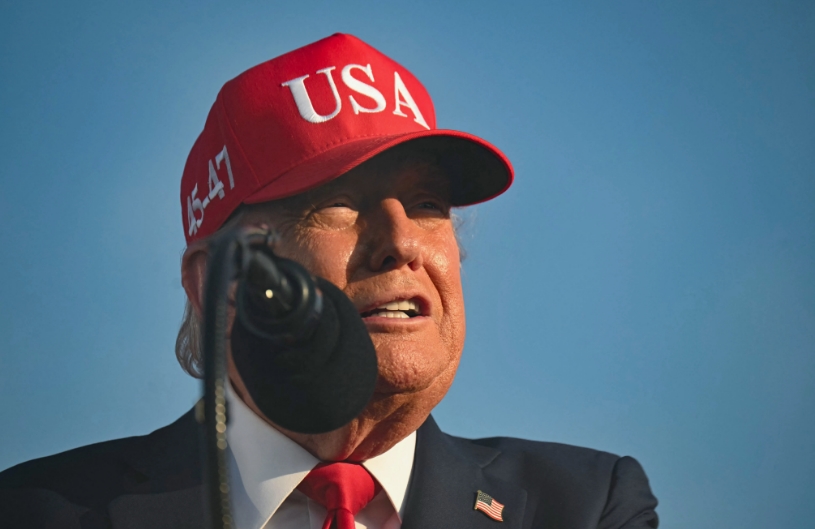
However, detractors contend that the commercialization of such a moment—especially by a famous political figure—risks overshadowing its value. Trump’s clothing reportedly combines statements that blend his political branding with patriotic themes, creating a combination that critics think breaches the line between national pride and personal marketing.
Supporters of Trump retort that he is simply engaged in conventional political fundraising techniques. Campaigns and allied groups have historically offered items as a strategy to stimulate supporters and make revenue. From campaign hats to bumper stickers, political branding is a well-established tradition. In this view, Trump’s semiquincentennial-themed things are essentially a continuation of that strategy, albeit related to a particularly important occasion.
Ethics Concerns Take Center Stage
Ethics organizations, however, perceive the problem differently. Groups focused on government accountability and transparency contend that leveraging a national celebration for private gain—especially by someone who has held the highest office in the country—raises major questions about propriety and public trust.
One important concern is the potential perception that Trump is capitalizing on a shared national event for personal or political profit. Even if no laws are being committed, critics warn the optics alone might weaken confidence in the integrity of public commemorations. The semiquincentennial, they contend, should remain a nonpartisan celebration, free from overt political or economic exploitation.
Another issue raised by watchdog groups is the broader pattern of Trump’s economic activities interacting with his political career. During and after his presidency, Trump has received scrutiny over the ways his brand, properties, and economic endeavors have intertwined with his political authority. The 250th anniversary merchandise scandal, in this sense, is understood not as an isolated episode but as part of a bigger narrative.
The Blurred Line Between Public and Private
The discussion finally highlights a longtime contradiction in American politics: where does public service end and private industry begin? For characters like Trump, whose identity is strongly related to both business and politics, that line can be exceptionally difficult to identify.
On one side, Trump is a private citizen with the right to participate in commercial activity, including the selling of items. On the other hand, his status as a former president—and a highly prominent political figure—means that his actions carry greater weight and scrutiny. When those activities collide with a key national milestone, the stakes become considerably higher.
Critics contend that the usage of patriotic symbols and historical events for commercial interests risks trivializing their importance. The American flag, the founding era, and the values of freedom are not just marketing tools—they are profoundly rooted in the nation’s identity. Turning them into goods, they warn, can reduce their meaning.
Supporters, however, see things differently. For them, purchasing such items is a display of both patriotism and political support. They believe that there is nothing intrinsically wrong about selling products that honor America’s history, even if they are associated with a particular political figure. In a free market, they claim, customers ultimately decide what has worth.
A Broader Trend in Political Branding
Trump’s approach is not unfolding in a vacuum. Over the past decade, political branding has become increasingly sophisticated and marketed. Candidates and public figures now work in a world where goods, social media, and personal branding play a vital role in developing and keeping support. Is Trump profiting off America’s 250th
What makes the current situation unusual is the scale and symbolism of the semiquincentennial. Unlike a campaign cycle or a policy discussion, the 250th anniversary is a once-in-a-generation event. Its relevance extends beyond politics, touching on history, culture, and national identity.
This poses an essential question: should there be informal or formal limitations around how such events are used? While there are no particular laws forbidding the selling of themed products, some experts think that clearer principles or conventions could help preserve the nonpartisan spirit of big national commemorations.
Public Reaction and Political Implications
Public reaction to the controversy has been divided, reflecting the greater split of American politics. Trump’s defenders usually dismiss the criticism as politically motivated, noting that such scrutiny is not applied to other figures or organizations. They regard the items as a harmless—and even celebratory—way to engage with the nation’s history. Is Trump profiting off America’s 250th
Opponents, meanwhile, see the problem as symbolic of greater issues about ethics and responsibility. For some, the concept of benefiting from a shared national milestone is improper, particularly for someone with Trump’s political standing.
The debate could also have political ramifications as the 2026 celebrations come near. If the argument continues to gather pace, it may affect how other politicians, groups, and corporations approach the semiquincentennial. Some may choose to steer away of overt commercialization, while others would double down, finding a chance to engage with consumers.
The Meaning of the Moment
At its foundation, the fight over Trump’s semiquincentennial goods is about more than just items or profits—it is about the meaning of America’s 250th anniversary. Is it a period for collective introspection, or can it also be a platform for individual expression and enterprise?
For many Americans, the answer lies somewhere in between. The country’s past has always been linked with business, innovation, and entrepreneurship. At the same time, there is a great desire to preserve the integrity and significance of key national landmarks.
As 2026 approaches, these questions are likely to become increasingly more apparent. The manner the semiquincentennial is celebrated—and who participates in that celebration—will determine not only how the event is remembered, but also what it says about the nation itself.
In the end, the debate surrounding Donald Trump and his merchandise may serve as a reminder of the intricacies of modern American life, where politics, commerce, and identity are increasingly entwined. Whether considered as shrewd branding or questionable ethics, it illustrates the perennial issue of combining personal ambition with the collective spirit of a nation reaching a momentous milestone. Is Trump profiting off America’s 250th
About the Author