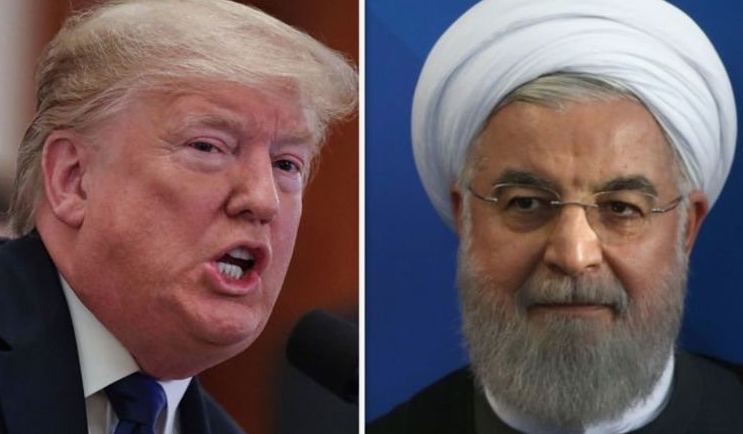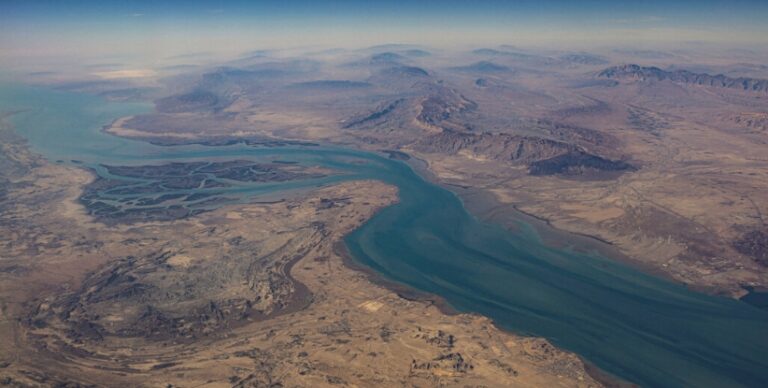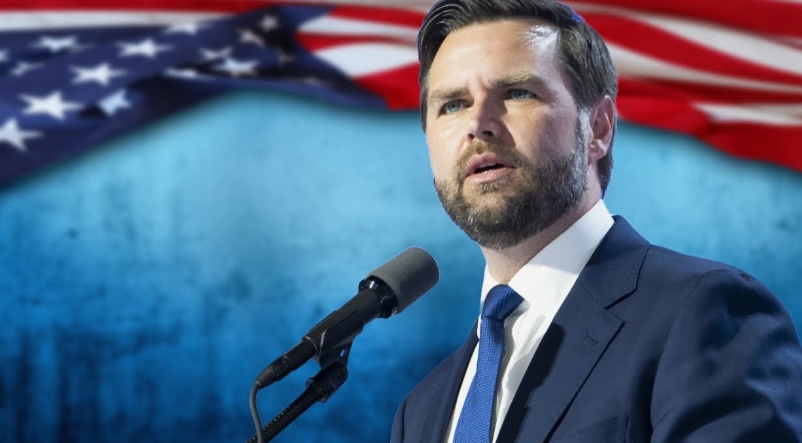
Iran war puts JD Vance in a bind ahead of 2028 – The intensifying confrontation between the United States and Iran has presented a tough political challenge for U.S. Vice President JD Vance. As the crisis unfolds, it is challenging not only the administration’s foreign policy but also Vance’s political identity and future goals. For a leader generally considered as a potential successor to Donald Trump and a likely contender in the 2028 presidential campaign, the war has placed him in a delicate situation.
The underlying problem is that Vance built his political reputation on skepticism of foreign military interventions. Now, as vice president in an administration involved in a major military engagement in the Middle East, he must combine allegiance to the president with the political ideas that helped drive him to national prominence. The friction between these two demands might influence both his political destiny and the Republican Party’s direction heading into the next election cycle.
A Political Identity Built on Anti-Intervention
Before entering the White House, Vance was well known as one of the Republican Party’s most ardent skeptics of protracted U.S. engagement in foreign wars. Drawing from his experience serving in the U.S. Marine Corps during the Iraq War, he regularly warned about the hazards of military engagements that lacked defined objectives or exit strategy.
During his time as a senator, Vance often contended that American leaders had wasted decades committing men and resources to international battles without delivering major advantages to the American public. His rhetoric fit with the “America First” mentality associated with Trump-era politics, which emphasized prioritizing home concerns above global action.
Vance also lauded Trump’s earlier presidency for avoiding new wars. In a 2023 opinion essay, he hailed Trump as a “peace president,” stressing that the United States had not started major new military campaigns during Trump’s first term. Those words formed a crucial element of his identity among conservative voters wary of the foreign policy establishment. However, the present battle with Iran has muddied that narrative. Critics have pointed out that backing the administration’s military activities could undercut Vance’s long-standing stance against foreign conflicts.
Differences Within the Administration
The internal dynamics of the government have also gained notice. President Trump recognized publicly that Vance was “philosophically a little bit different” from him over the choice to initiate strikes against Iran. Trump said the vice president appeared “less enthusiastic” about the military operation, though he ultimately supported the administration’s course of action.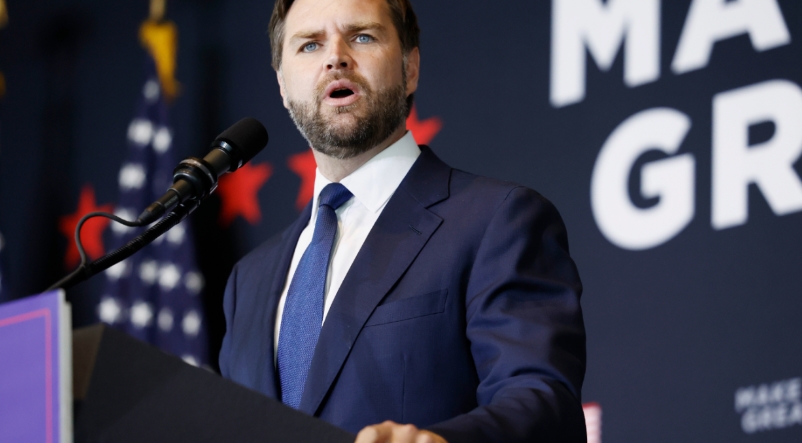
These remarks exposed subtle but important divides within the White House. While Trump has long taken a strong attitude toward Iran, demanding aggressive steps to stop the country’s nuclear program and regional influence, Vance’s political career has been influenced by skepticism toward large-scale military action abroad.
The argument does not appear to be a full-blown schism, but it highlights the balancing act Vance faces. Publicly opposing the president might harm his standing inside the administration and the Republican Party. Yet full-throated backing for the war risks alienating those who liked his earlier anti-interventionist stance.
The MAGA Movement’s Divided Reaction
The war has also exposed differences within the broader conservative movement. Many followers of Trump’s “America First” worldview have long advocated that the United States should avoid being engaged in fresh conflicts in the Middle East.
For these voters, the battle with Iran raises unpleasant questions about whether the administration is deviating from the values that originally fueled the movement. Some conservative writers and activists have expressed worry that the fight could escalate into another extended war similar to the wars in Iraq or Afghanistan.
This tension creates an especially tough political environment for Vance. Because he is often considered as one of the major characters capable of pushing the MAGA movement into the future, his attitude on the conflict will likely be scrutinized more intensely than that of other administration officials.
Political observers say the conflict has left him in a “uncomfortable space” both intellectually and politically. Vance gained to fame by denouncing interminable wars, yet he now has help defend an administration that has undertaken a significant military operation.
A Strategy of Careful Messaging
So far, Vance has attempted to walk a delicate line in his public pronouncements. Rather than presenting the fight as a traditional war with Iran, Obama has highlighted that the United States is attacking Iran’s nuclear program rather than the Iranian nation itself.
By phrasing the purpose narrowly, Vance appears to be seeking to square his earlier criticism of foreign wars with the administration’s actions. He has maintained that the goal of the military operation is to prevent Iran from developing nuclear weapons, a clear objective that he argues differentiates the battle from prior wars in the region. 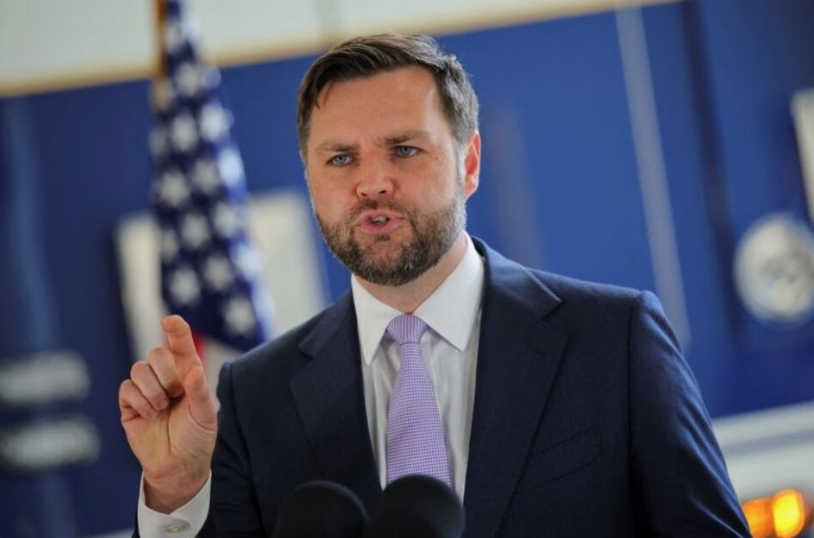
At the same time, he has frequently stressed that the United States does not intend to commit ground troops or engage in a sustained military battle. Such advertising is presumably geared at comforting voters who worry about another long-term conflict.
Still, many remain unconvinced. They claim that once military operations begin, events can quickly escalate beyond initial intentions. History gives many examples of conflicts that started with restricted purposes but gradually expanded.
The Stakes for 2028
For Vance, the political consequences stretch well beyond the immediate crisis. The vice president is largely regarded a major possible candidate for the 2028 presidential race, particularly if Trump decides not to pursue another term or steps down from political leadership.
If the battle with Iran concludes swiftly and achieves its declared goals—such as dramatically limiting Iran’s nuclear capabilities—Vance may emerge from the scenario with his political position intact. He may argue that the administration utilized force strategically while avoiding the errors of earlier wars.
However, if the fight stretches on, results in substantial American losses, or destabilizes the region further, the political ramifications might be catastrophic. In such situation, Vance might face harsh questions from voters about his involvement in supporting the administration’s policies. Opponents will certainly stress the discrepancy between his prior cautions about foreign interventions and his role in an administration embroiled in another Middle Eastern crisis. Iran war puts JD Vance in a bind ahead of 2028
A Defining Test of Leadership
Ultimately, the confrontation with Iran may become one of the greatest political challenges of Vance’s career. It requires him to balance two competing demands: allegiance to the president he serves and consistency with the ideas that helped develop his political image.
Navigating that problem will need good political judgment. Too much distance from the administration may be perceived as betrayal, while steadfast support for the war could erode his credibility among people who liked his anti-intervention attitude.
As the battle continues, Vance’s attitude to the issue will undoubtedly define how both supporters and opponents regard his leadership. With the 2028 election already looming on the political horizon, the stakes for him—and for the future of the Republican Party—could hardly be higher. Iran war puts JD Vance in a bind ahead of 2028
About the Author