Iran casts doubt over talks as Vance heads to Pakistan – Tensions remain high and uncertainty looms as the United States prepares for one of its most significant diplomatic engagements with Iran in decades. As U.S. Vice President JD Vance travels to Islamabad for high-stakes negotiations, Iran has already raised serious doubts about whether the talks will even take place.
At the heart of the issue lies a fragile ceasefire—one that both sides accuse the other of violating. What was meant to be a stepping stone toward peace now appears increasingly shaky, with deep mistrust threatening to derail the entire process before it begins.
A Diplomatic Mission Under Pressure
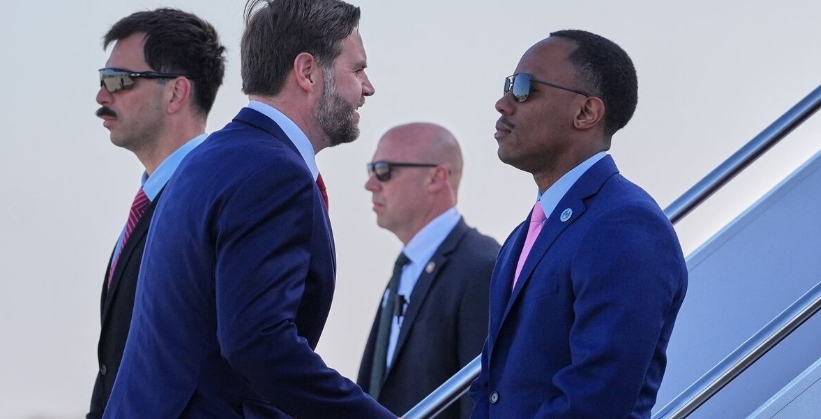
Vance’s trip to Pakistan represents a rare and critical moment. Not since 1979 have the United States and Iran engaged at such a high level. The stakes are enormous: a potential end to weeks of conflict, stabilization of global energy markets, and a chance to prevent further escalation across the Middle East. Before departing, Vance struck a cautious tone. While expressing hope for a constructive dialogue, he made it clear that the U.S. would not tolerate bad-faith negotiations.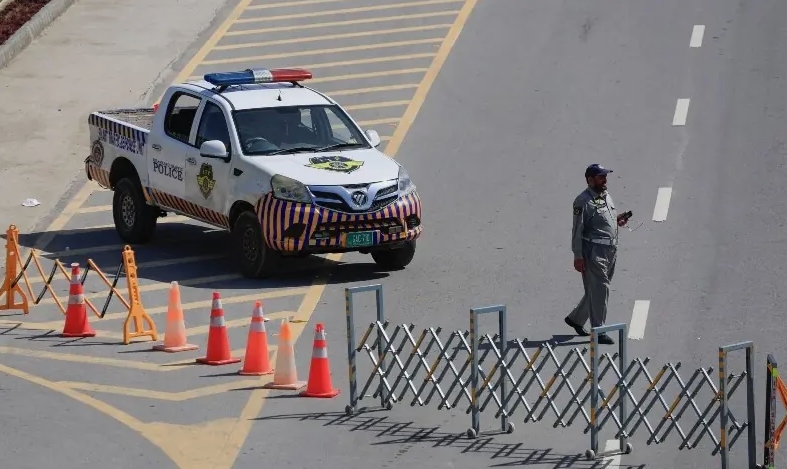
“If the Iranians are willing to negotiate in good faith, we’re certainly willing to extend the open hand,” he said. “But if they’re going to try to play us, then they’re going to find the negotiating team is not that receptive.” That statement reflects a broader sentiment within Washington: optimism tempered by skepticism. Officials are wary that the talks could collapse quickly, especially given the unresolved disputes surrounding the ceasefire.
Preconditions
Iran has not simply expressed hesitation—it has laid down clear preconditions that must be met before negotiations can even begin.
According to Iranian officials, two key demands remain unmet:
A full ceasefire in Lebanon, particularly involving Israeli military operations
The release of Iran’s blocked financial assets
“These two matters must be fulfilled before negotiations begin,” Iran’s parliamentary leadership emphasized. From Tehran’s perspective, these are not unreasonable demands but necessary steps to demonstrate trust and commitment. However, from the U.S. standpoint, these conditions complicate an already delicate situation. This fundamental disagreement over what constitutes a starting point highlights just how far apart the two sides remain. Iran casts doubt over talks as Vance heads to Pakistan
A Ceasefire in Name Only?
The ceasefire itself—intended as the foundation for talks—is under intense strain. Both Washington and Tehran have accused each other of failing to uphold their commitments. The United States has criticized Iran for restricting access through the Strait of Hormuz, a vital global shipping route for oil and gas. The disruption has already sent ripples through international markets, raising fears of inflation and economic instability.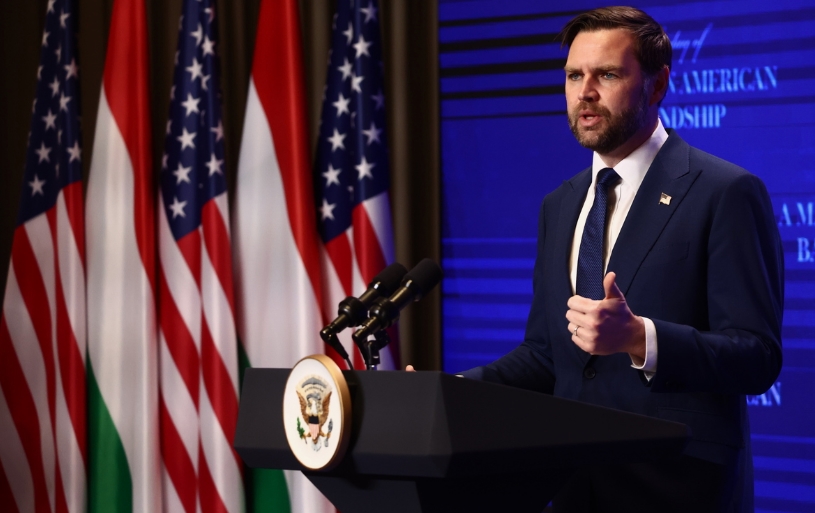
Iran, on the other hand, argues that continued Israeli military activity in Lebanon violates the spirit—if not the letter—of the agreement. This disagreement has turned the ceasefire into a point of contention rather than cooperation. In reality, the situation on the ground suggests that the ceasefire is less a firm agreement and more a temporary pause in hostilities—one that could unravel at any moment.
Pakistan’s Role as Mediator
Pakistan now finds itself in a crucial position as host and mediator. The talks in Islamabad are being framed as a potential breakthrough, but also as a “make-or-break” moment for diplomacy. For Pakistan, facilitating dialogue between two long-standing adversaries is both an opportunity and a risk. Success could elevate its role on the global stage, while failure could reinforce perceptions that the conflict is beyond diplomatic resolution. Despite the uncertainty, preparations for the talks are moving forward, with both sides expected to send delegations. Still, there is no guarantee that meaningful progress will be made—or that discussions will even formally begin.
Political Pressure in Washington
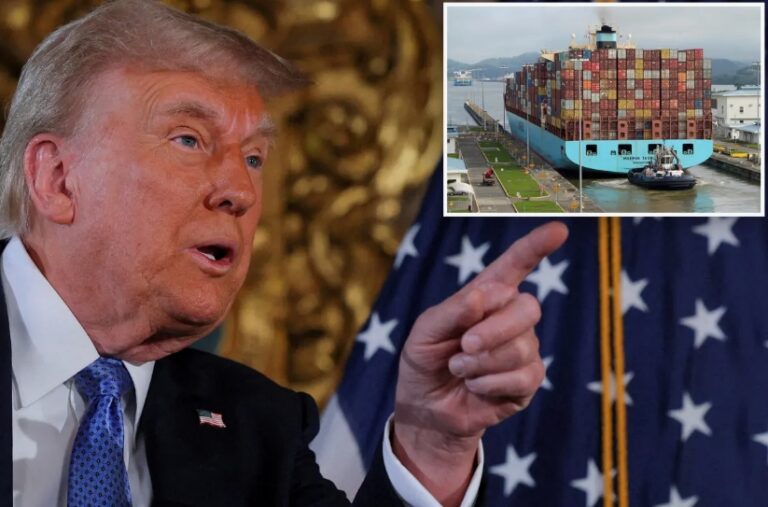
Back in the United States, the pressure is mounting. The ongoing conflict has not only strained foreign relations but also affected domestic politics. Rising oil prices and global instability have created economic concerns, while critics question whether the administration’s approach has been effective. President Donald Trump has publicly expressed frustration with Iran, accusing it of exploiting its control over key waterways for leverage.
At the same time, Trump has backed Vance’s mission, portraying it as a decisive effort to secure peace. However, the administration’s mixed messaging—combining diplomatic outreach with strong warnings—reflects the complexity of the situation. Iran casts doubt over talks as Vance heads to Pakistan
A Gap That May Be Too Wide
Perhaps the biggest challenge facing the negotiations is the sheer gap between the two sides’ expectations. The U.S. is seeking major concessions, including limits on Iran’s nuclear activities, reduced regional influence, and the reopening of critical shipping routes. Iran, meanwhile, is focused on sanctions relief, regional security concerns, and recognition of its strategic interests. These positions are not just different—they may be fundamentally incompatible, at least in the short term. Analysts warn that without significant compromise, the talks could end up being more symbolic than substantive—a gesture toward diplomacy rather than a genuine step toward peace.
A Fragile Moment for the Region
The timing of the talks adds another layer of urgency. The broader Middle East remains volatile, with ongoing tensions involving Israel, Hezbollah, and other regional actors. Any failure in Islamabad could have ripple effects far beyond U.S.-Iran relations, potentially reigniting wider conflict. Conversely, even a small positive step could help stabilize the situation and create momentum for further negotiations. Iran casts doubt over talks as Vance heads to Pakistan
Conclusion: Hope Meets Reality
As Vance’s plane heads toward Islamabad, the world watches closely. The journey symbolizes both hope and uncertainty—a chance to turn confrontation into dialogue, but also a reminder of how fragile that opportunity is. Iran’s doubts, the shaky ceasefire, and the deep divisions between the two sides all point to a difficult road ahead. Diplomacy, in this case, is not just about sitting at the table—it’s about overcoming years of mistrust, conflicting interests, and ongoing conflict. Whether these talks mark the beginning of a real breakthrough or just another missed opportunity remains to be seen. But one thing is clear: the stakes could not be higher, and the margin for error is incredibly small. Iran casts doubt over talks as Vance heads to Pakistan
About the Author