For Democrats the Iran war is reviving a familiar word impeachment – The word “impeachment” has begun to resonate once again through the halls of Washington. For many Democrats, the rising tension between the United States and Iran is not merely a foreign policy crisis—it is swiftly becoming a constitutional one. What began as anxiety over military escalation has grown into something deeper: a revived debate about presidential power, accountability, and whether the incumbent commander-in-chief has passed a line that necessitates removal from office.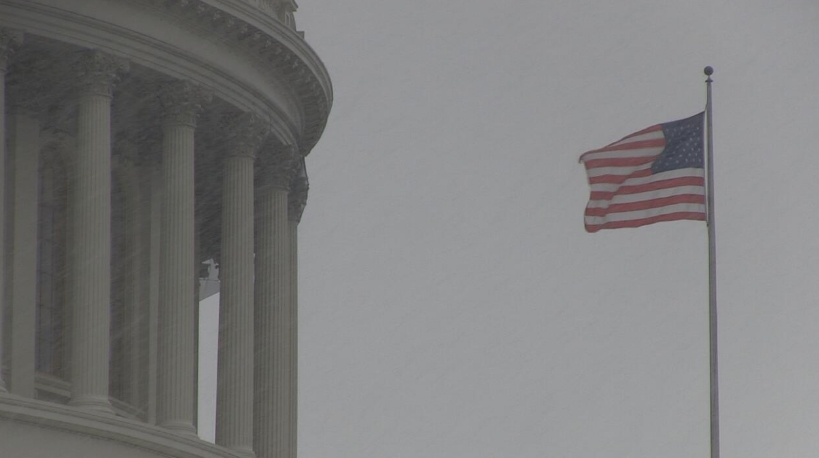
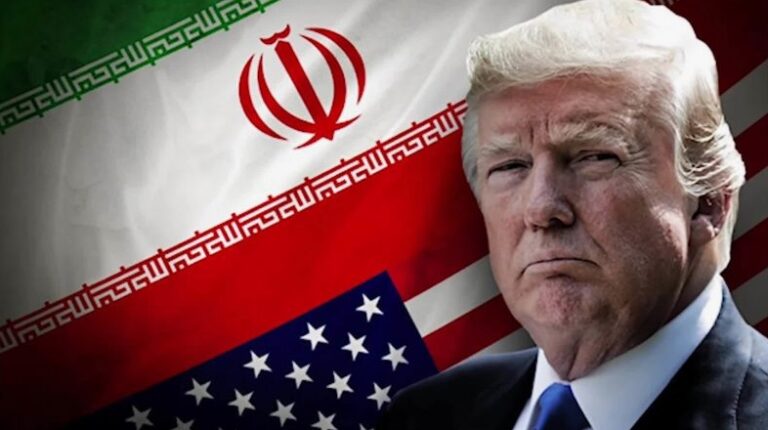
At the center of this maelstrom is Donald Trump, whose harsh rhetoric and unilateral military decisions have terrified politicians throughout the Democratic Party. His warning that Iran could face ultimate destruction—language widely perceived as a threat against an entire civilization—marked a turning point. For weeks, Democrats had expressed unease. After such remarks, many began publicly exploring possibilities that had previously been politically delicate, like impeachment and potentially the 25th Amendment.
A Crisis That Feels Familiar
For Democrats, this moment bears a strong sense of déjà vu. The impeachment process has already defined much of Trump’s political legacy. But unlike earlier scandals connected to domestic politics or personal conduct, this crisis is anchored in war powers—arguably one of the most critical constitutional battlegrounds.
The U.S. Constitution affords Congress the right to declare war, although recent steps against Iran have prompted questions about whether that authority is being bypassed. Democratic lawmakers contend that the president’s moves—ranging from military attacks to fiery public threats—have not been properly authorized. The worry is not merely legal; it is existential. If left unchecked, they say, such measures might set a precedent for future presidents to wage war without legislative supervision.
This concern has prompted a wave of legislative measures. Democrats attempted to pass a war powers resolution aimed at constraining unilateral military action, but those efforts were rejected by Republicans in the House. The failure of these efforts has only deepened dissatisfaction, driving some lawmakers toward more severe remedies.
The Political Pressure Builds
Behind quiet doors and in public pronouncements, Democratic leaders are feeling rising pressure—not just from colleagues, but from their own constituents. Congressional offices have allegedly been overwhelmed with calls demanding action, showing a growing sense of urgency among the party’s grassroots.
Figures like Hakeem Jeffries and Chuck Schumer have tried to strike a careful balance. While they have stopped short of explicitly advocating impeachment, they have strongly criticized the administration’s handling of the crisis and urged for greater accountability. Their cautious approach reflects political reality: with Republicans controlling Congress, any impeachment action would face long odds. For Democrats the Iran war is reviving a familiar word impeachment
Still, the tone within the party is altering. Lawmakers who once avoided impeachment discussion are now openly embracing it. Some have gone farther, drafting or proposing articles of impeachment connected specifically to the Iran conflict, alleging that the president’s actions constitute a “illegal war.”
War Powers and Constitutional Limits
At the heart of the discussion lies a fundamental question: how much power should a president have in situations of war?. Historically, presidents have often stretched their authority as commander-in-chief, particularly in periods of crisis. But Democrats contend that the current scenario goes beyond precedent.
They refer to the lack of a clear strategy, undefined aims, and the absence of congressional authority as evidence of overreach. Some senators have even warned that the administration has failed to establish a “endgame” in Iran, increasing fears of a prolonged and ambiguous confrontation.
This concern is not completely theoretical. Military escalation in the Middle East carries global consequences—from oil markets to foreign alliances—and any miscalculation might develop into a bigger war. For Democrats, the stakes are not just political; they are geopolitical.
The Impeachment Debate Reignited
The reemergence of impeachment as a serious idea indicates both dissatisfaction and strategy. On one hand, it signals genuine anxiety about the president’s conduct. On the other, it functions as a political tool—a method to call attention to what Democrats regard as harmful behavior and to stir public opinion.
But impeachment is not an easy solution. Even if the House were to approve articles of impeachment, conviction in the Senate would require a two-thirds majority—a threshold that remains far out of reach given present partisan differences. For Democrats the Iran war is reviving a familiar word impeachment
This reality has pushed some Democrats to seek alternative methods, including using the 25th Amendment, which provides for the removal of a president considered unfit to serve. While that option is considerably more politically problematic, its growing mention reflects the depth of worry inside the party.
A Divided Washington
Republicans, for their part, have mostly stood by the president, characterizing his actions as important for national security. They argue that the concerns presented by Iran merit a robust and decisive reaction, and they have fought moves to curtail presidential authority.
This gap has virtually immobilized Congress. Attempts to assert legislative supervision have been rebuffed, and real bipartisan cooperation appears increasingly doubtful. The upshot is a political deadlock at a moment when clarity and unity might be most needed.
What Comes Next?
As the war with Iran continues, the political debate in Washington is certain to increase. Democrats are anticipated to keep pressing for hearings, votes, and potentially new impeachment efforts once Congress reconvenes.
Whether those approaches acquire traction remains questionable. Much will rely on public opinion, the trajectory of the crisis, and whether new revelations further aggravate tensions. A lengthy war—or a significant misstep—could transform the political balance in ways that make impeachment more realistic.
For now, the word itself—impeachment—serves as both a threat and a reminder. It expresses a fundamental concern about the balance of power in American government and the responsibilities that come with it. For Democrats the Iran war is reviving a familiar word impeachment
A Defining Moment
Ultimately, this moment may prove to be a defining one for both sides. For Democrats, it is a test of how far they are ready to go to fight what they regard as executive overreach. For Republicans, it is a test of loyalty—to the president, to their party, and to their understanding of constitutional power.
And for the country as a whole, it is a warning that decisions made in the midst of foreign strife can have lasting implications at home. The drums of war are reverberating overseas. In Washington, another sound is rising to meet them—the familiar, weighty word that carries the weight of history: impeachment. For Democrats the Iran war is reviving a familiar word impeachment
About the Author