
Flu cases are rising in 32 states. Check maps and see how to stay safe – Health officials warn that the high increase in illnesses, hospitalizations, and fatalities caused by a rapidly spreading flu variety could last for several more weeks. Due in major part to a newly mutated strain of Influenza A, doctors predict that this flu season will be among the worst in recent memory.
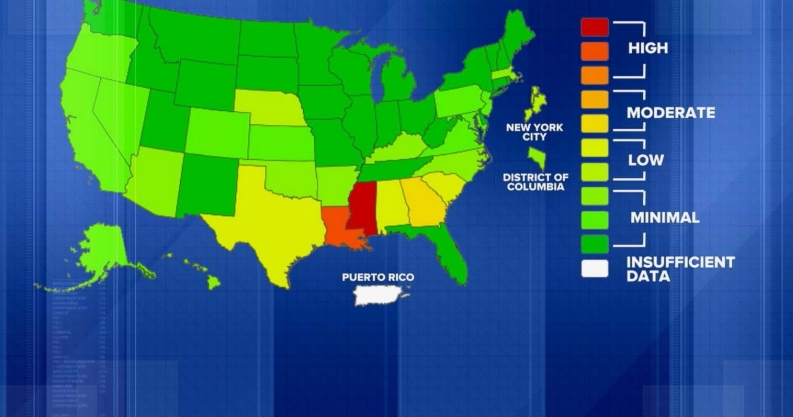
Flu activity is currently regarded as “high” or “very high” in 32 states and U.S. jurisdictions, according to the Centers for Disease Control and Prevention (CDC), which is over twice as high as what was recorded just one week ago. Millions of people have already contracted the virus since the season started in October, according to the agency’s most recent report, which was published on December 30. Flu cases are rising in 32 states
According to CDC estimates, at least 7.5 million Americans have gotten the flu so far this season. Health professionals are more concerned about the abrupt increase in serious cases. Hospitalizations due to the flu almost doubled in a single week, from 9,944 to 19,053 nationwide. Influenza-related deaths have also increased to around 3,100, with pediatric deaths rising from two to five during the most recent reporting period. According to an infectious disease expert, “this kind of rapid escalation is exactly what we worry about during peak flu season.” “The healthcare system is severely strained when hospital admissions double in a single week.”
States most severely affected
Flu activity is very high in a number of states. According to CDC data, states with the highest levels of spread include Colorado, Louisiana, South Carolina, New Jersey, and New York. Patients with fever, cough, exhaustion, and respiratory distress are increasingly frequenting emergency departments and urgent care facilities in these regions.
Physicians caution that since schools are still in session and people congregate indoors throughout the winter months, which creates perfect circumstances for viral transmission, the numbers may continue to grow.
What is the latest strain of the flu?
Subclade K, a recently discovered mutation of Influenza A (H3N2), is primarily responsible for the surge. This strain, which was previously categorized as A(H3N2) subclade J.2.4.1, is a significant evolution of a virus that has been in circulation for many years.
Most people connect influenza A with “the flu,” and H3N2 strains in particular are known to cause more severe illness, particularly in young children and older persons. The structural differences between subclade K and previous H3N2 variants are what raise concerns.
The seasonal flu vaccination created for the 2025–2026 season is not as well suited to this new mutation as scientists had hoped due to these modifications. The vaccine may be less successful in completely avoiding infection, even if it still provides significant protection, particularly against serious illness.
A virologist familiar with the strain said, “This virus has changed just enough to slip past some of the immune defenses people already have.” “This explains why the transmission is so widespread.”
Is it still worthwhile to get the flu shot?
Public health authorities highlight that the flu vaccine is still a vital tool despite the mismatch. According to preliminary statistics from Europe, vaccinated people continue to have lower hospitalization and major complication rates than unvaccinated people. Flu cases are rising in 32 states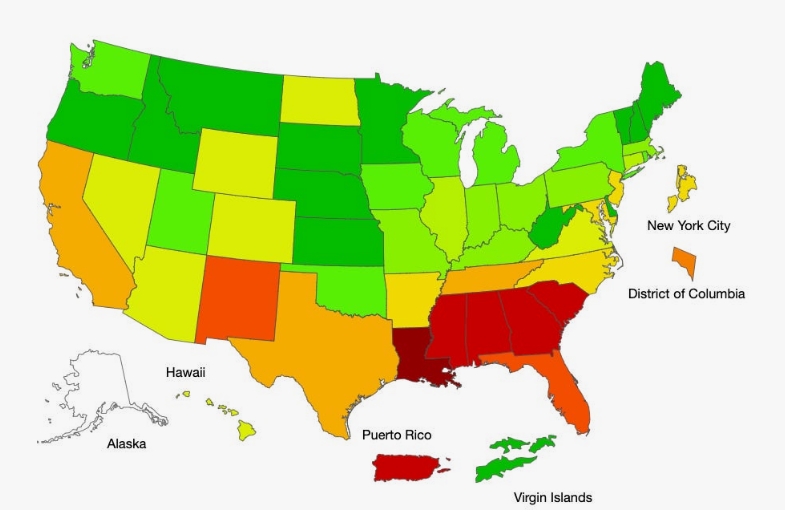
Even if it doesn’t totally prevent subclade K infection, research published in the medical journal Eurosurveillance and reports from the Pan American Health Organization show that this season’s vaccine is helping to mitigate the worst results. To put it another way, the flu vaccination isn’t worthless; it could still make the difference between a few unpleasant days at home and a risky hospital stay.
Flu symptoms to be aware of
The fact that COVID-19 and other respiratory viruses’ symptoms greatly match with those of the flu presents a dilemma this season. This makes testing and early care particularly crucial, according to medical experts. Typical signs of the flu include:
- Abrupt fever or chills;
- Sore throat and cough;
- Runny or stuffy nose;
- Body or muscle aches;
- Headache;
- Severe exhaustion;
- Vomiting or diarrhea (particularly prevalent in children)
Physicians warn that a single infection might impair immunity, making it simpler to contract another virus. It has been shown that co-infections with COVID-19 and the flu can be particularly harmful. Flu cases are rising in 32 states
How to keep others and yourself safe
According to health officials, getting vaccinated is still possible. Everyone six months of age and older should get a flu shot, according to the CDC, World Health Organization, and other top medical organizations, unless they have a medical contraindication, such as a severe allergy to vaccine ingredients. Simple daily practices can dramatically lower the risk of infection in addition to vaccination:
1. Regularly wash your hands for at least 20 seconds with soap and water.
2. Use a tissue or your elbow, not your hands, to cover coughs and sneezes.
3. Even if your symptoms appear minor, stay at home if you’re feeling under the weather.
4. Refrain from touching your lips, nose, or eyes, as these are major viral entrance locations.
5. Clean and sanitize high-touch areas such as phones, countertops, and doorknobs.
6. If there is a high level of flu activity in your location, think about donning a mask in crowded indoor environments. Flu cases are rising in 32 states
Considering the future
According to doctors, the current flu pandemic might not peak for a few more weeks, which means that in some areas, the worst is still to come. Hospitals are advising patients to seek medical attention as soon as their symptoms intensify, especially if they are small children, elderly, pregnant, or have underlying medical disorders. One doctor said, “The flu is often underestimated.” However, times like today serve as a reminder of how dangerous it can be and how crucial prevention is. Health professionals believe that as the virus spreads, greater awareness, immunization, and good conduct can help reduce the surge and save more deaths. Flu cases are rising in 32 states
About the Author