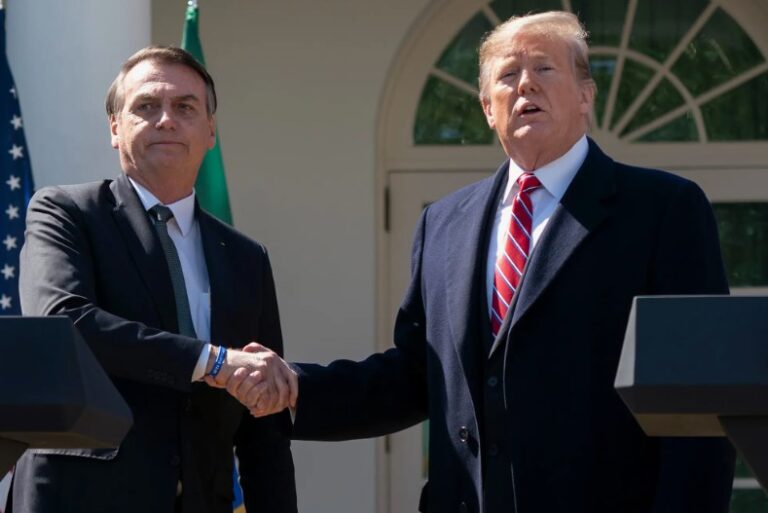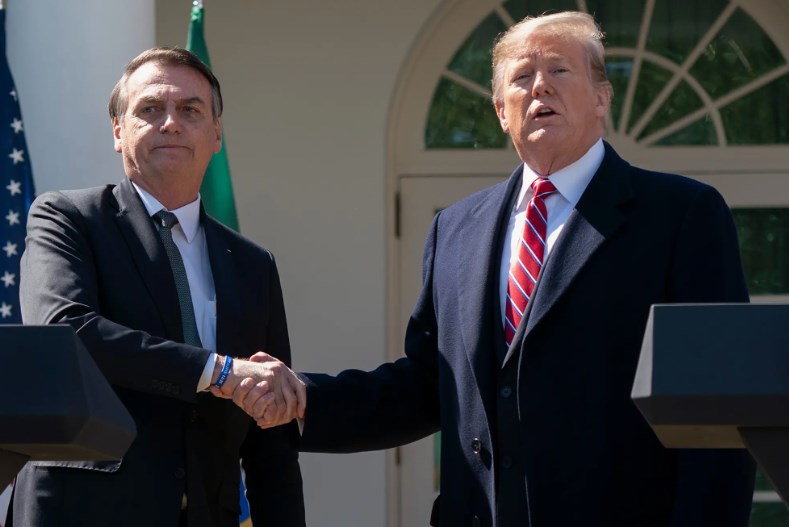
Trump says Flávio Bolsonaro can remain in US ‘as long as he wants’ – President Donald Trump has sparked fresh diplomatic discussion after saying Brazilian Senator Flávio Bolsonaro can remain in the United States for as long as he wants. The statement came after the Brazilian politician arrived in Miami following his defeat in the country’s presidential election, creating another point of tension between Washington and Brasília.
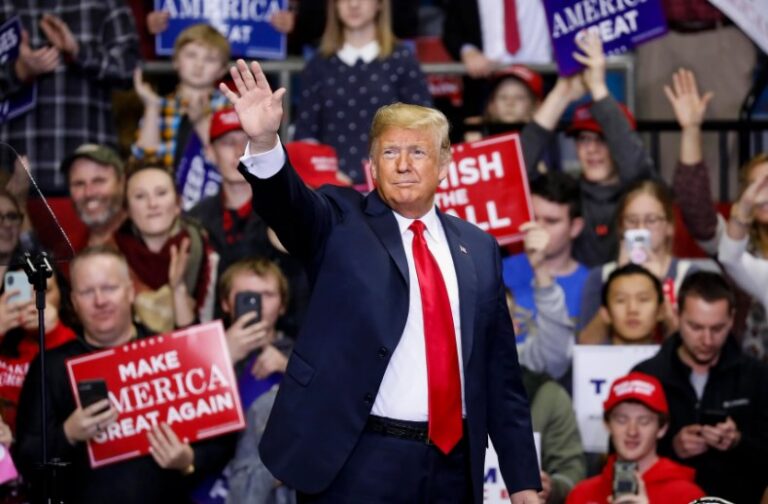
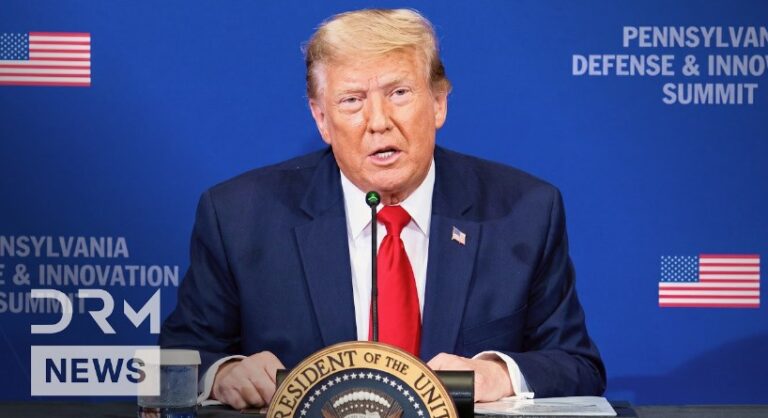
Speaking to reporters at his Mar-a-Lago residence in Palm Beach, Florida, on Saturday, October 31, Trump expressed sympathy for Bolsonaro and criticized the circumstances surrounding his political defeat. Although the president made it clear that he had no plans to meet the Brazilian senator, he offered a welcoming message about his continued stay in the United States.
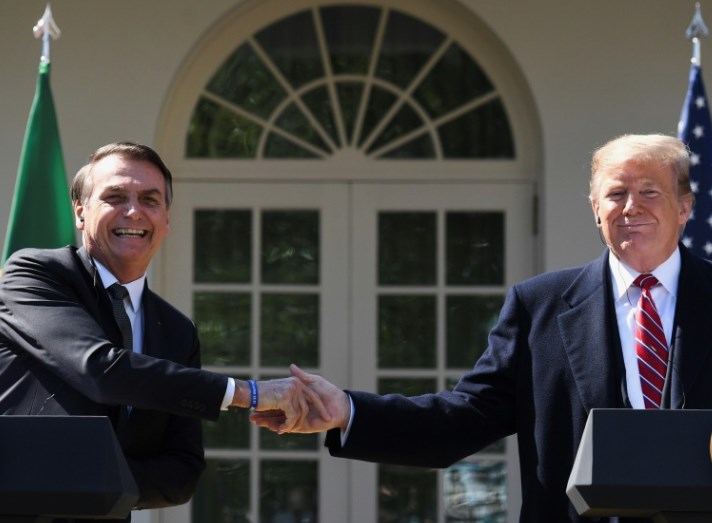
Trump’s comments are attracting attention because Bolsonaro’s departure from Brazil comes amid legal investigations and questions about his political future. His arrival in the United States has also raised concerns about the relationship between the two countries, particularly as Brazilian officials seek clarity about the circumstances surrounding his travel.
The situation is especially sensitive because Brazil and the United States are two of the most influential countries in the Western Hemisphere. Any disagreement involving political leaders, immigration decisions, or election legitimacy could have consequences beyond the individuals directly involved.
Trump Expresses Support for Flávio Bolsonaro
During his appearance at Mar-a-Lago, Trump was asked whether he intended to meet Flávio Bolsonaro while both were in Florida. The American president responded that he had no plans for a meeting but quickly added that he believed the Brazilian politician had been treated unfairly. Trump then said Bolsonaro could stay in the United States for as long as he wanted. When reporters continued asking about the Brazilian senator, the president repeated his position and again criticized the election.
In Trump’s view, Bolsonaro had received unfair treatment, and he described Brazil’s presidential election as a disgrace. His remarks reflected his continued skepticism toward the political circumstances surrounding the election and his sympathy for the defeated candidate. However, Trump’s statement should not automatically be interpreted as a formal promise of permanent immigration status. The president’s political support and the legal conditions governing a foreign national’s stay in the United States are separate matters.
The comments nevertheless carry political significance. A public endorsement from the American president could give Bolsonaro additional visibility internationally, especially at a time when his position in Brazilian politics is uncertain. Trump’s decision not to arrange a meeting also suggests that his supportive comments should not necessarily be viewed as an announcement of a formal political alliance or a commitment to support Bolsonaro’s future ambitions.
Why Flávio Bolsonaro Left Brazil After the Election
Flávio Bolsonaro’s arrival in the United States followed a difficult political period in Brazil. The senator, who is the son of former Brazilian President Jair Bolsonaro, recently lost the presidential runoff election to incumbent Luiz Inácio Lula da Silva. The result was a major setback for Brazil’s conservative movement. Flávio had entered the election with considerable support from voters who wanted a continuation of the political direction associated with his father. Despite that support, he ultimately failed to defeat Lula, who secured another victory and maintained his position as Brazil’s president.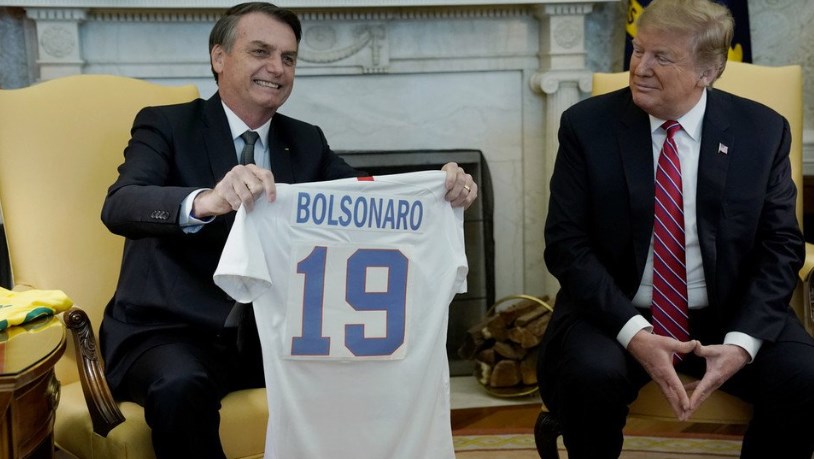
The circumstances surrounding Flávio’s departure became even more controversial because Brazilian judicial authorities had ordered him to surrender his passports. The order was connected to investigations involving alleged financial misconduct, including money laundering. Authorities had also considered him a potential flight risk. Rather than remaining in Brazil to address the situation, Flávio traveled abroad and eventually arrived in Miami, Florida, on October 28. His departure raised questions about whether he had violated judicial restrictions and whether anyone outside Brazil had helped organize his journey.
The controversy is particularly important because the investigations involve serious allegations. However, allegations and investigations do not automatically establish guilt. Flávio’s legal situation will depend on the evidence and the decisions made by Brazilian authorities. His supporters may view his departure as a necessary response to what they consider political pressure, while his critics argue that leaving the country raises questions about his willingness to cooperate with legal proceedings. The situation has therefore become more than a personal immigration issue. It has developed into another political dispute involving Brazil’s institutions, its recent election, and the future of the Bolsonaro family.
US Immigration Status Raises Questions About His Stay
Although Trump said Flávio could remain in America indefinitely, the senator’s actual immigration status is more complicated. According to Reuters reporting, Bolsonaro entered the United States under humanitarian parole, a temporary immigration authorization that allows certain individuals to remain in the country under specific conditions. This arrangement is generally limited in duration and does not provide permanent residency or citizenship.
Brazilian media reports indicated that Bolsonaro and his family had received temporary authorization allowing them to remain in the United States until October 2027. The arrangement has attracted attention because it differs from the impression created by Trump’s public statement. In other words, being welcomed by the American president does not mean that someone automatically receives unlimited permission to remain in the country. Immigration decisions still involve legal requirements, administrative procedures, and the authority of relevant government agencies.
The distinction is important because Trump’s remarks could be interpreted as a political expression of support rather than a detailed explanation of Bolsonaro’s legal immigration arrangements. For now, his temporary status provides a legal basis for his presence in the United States, but his longer-term situation remains uncertain. The controversy also raises broader questions about how the United States handles politically prominent foreign figures who face investigations in their home countries. Washington must balance diplomatic considerations, immigration rules, and its relationship with foreign governments.
Marco Rubio Denies US Government Helped Arrange His Departure
Another important part of the controversy involves Secretary of State Marco Rubio, who addressed questions about Bolsonaro’s journey during a meeting of Group of 20 foreign ministers in Atlanta. Rubio said the American government had not directly facilitated Bolsonaro’s departure from Brazil. According to the secretary of state, officials learned that the Brazilian politician had arrived in the United States and that he had previously held a valid visa. Rubio explained that Trump made the decision to allow Bolsonaro to enter the country. However, he rejected the suggestion that American officials had directly organized the arrangements that enabled the senator to leave Brazil.
His comments were significant because several media reports had raised questions about possible assistance from individuals connected to the Trump administration. Reuters and other outlets reported that Jason Miller, a White House official, helped arrange aspects of Bolsonaro’s journey. These reports have added another layer to the controversy, although Rubio’s statement maintained that the US government was not directly involved in the travel arrangements. Rubio also indicated that he had spoken with Brazilian Foreign Minister Mauro Vieira in Atlanta. The two diplomats were expected to maintain contact and meet again in France during an upcoming G7 foreign ministers’ gathering.
That diplomatic communication could become important as both governments attempt to prevent the controversy from damaging broader bilateral relations. Rubio’s approach appears more cautious than Trump’s public comments. While the president openly criticized the Brazilian election and expressed support for Bolsonaro, the secretary of state emphasized the administration’s position regarding travel arrangements and diplomatic engagement. The difference highlights how foreign policy decisions can involve several competing considerations, particularly when political relationships become sensitive.
The Bolsonaro Family’s Political Influence Remains a Major Issue
Flávio’s situation cannot be separated from the political legacy of his father, Jair Bolsonaro, who previously served as Brazil’s president and remains one of the country’s most influential conservative figures. Jair Bolsonaro lost his reelection campaign in 2022 to Lula. Following the defeat, Brazilian authorities investigated allegations that he participated in efforts to prevent the peaceful transfer of power. He was eventually imprisoned after being convicted of plotting a coup.
The former president is serving a 27-year prison sentence, making the political circumstances surrounding his family particularly complicated. Flávio has continued to defend his father’s political legacy and has presented himself as an important figure within Brazil’s conservative movement. His presidential campaign was also seen as an opportunity to preserve the family’s influence after Jair Bolsonaro’s political downfall.
His election defeat therefore represents more than an individual setback. It raises questions about whether the Bolsonaro family can maintain its political strength and whether conservative voters will continue supporting its leadership. From the family’s perspective, maintaining international relationships could become increasingly important. Trump’s willingness to publicly defend Flávio offers a potential source of political encouragement, even if it does not change the legal circumstances facing the senator in Brazil. However, it remains unclear whether Flávio intends to stay in the United States for an extended period or eventually return home to continue his political activities.
Brazil-US Relations Face Another Diplomatic Challenge
Trump’s comments could complicate relations between Washington and Brasília, particularly because the Brazilian government may interpret his remarks as criticism of its democratic institutions. The United States and Brazil have significant economic, diplomatic, and security interests. Both countries maintain important relationships involving international trade, energy, agriculture, and regional cooperation. A prolonged disagreement over Flávio Bolsonaro could make those relationships more difficult to manage.
Brazilian authorities have reasons to seek clarification about the circumstances surrounding the senator’s departure, especially given the judicial restrictions involving his travel documents. Meanwhile, Washington must consider how its decisions affect relations with Brazil’s elected government. The situation also demonstrates how Trump’s personal political preferences can influence diplomatic conversations. His criticism of Brazil’s election contrasts with the assessments of international observers, who described the vote as free and fair.
For Lula’s administration, maintaining the credibility of Brazil’s democratic institutions will remain important. The government may also want assurances that the United States will respect Brazil’s legal processes. Despite the tensions, Rubio’s conversations with Brazilian Foreign Minister Mauro Vieira suggest that diplomatic channels remain open. Both governments have an opportunity to prevent disagreements involving individual politicians from turning into a broader international dispute.
What Happens Next for Flávio Bolsonaro?
Flávio Bolsonaro’s future remains uncertain as he adjusts to life in the United States while facing political and legal questions back home. Trump’s statement that he can stay as long as he wants has provided a public show of support, but it does not settle his immigration status or resolve the investigations in Brazil. The senator must also consider his political future. Remaining outside Brazil could make it more difficult to maintain direct contact with supporters, participate in political activities, and respond to developments involving his legal situation.
For Trump, the episode represents another opportunity to criticize a political outcome he disagrees with while supporting an ideological ally. However, his administration must also manage its relationship with Brazil and avoid unnecessary diplomatic complications. Ultimately, this story is about more than one politician seeking refuge abroad after an election defeat. It highlights the intersection of international politics, immigration decisions, judicial investigations, and the influence of political families.
As Washington and Brasília continue their diplomatic conversations, Flávio’s presence in Florida is likely to remain a sensitive issue. For now, Trump’s message is clear: he is willing to welcome Bolsonaro in the United States. Whether that welcome translates into a longer-term arrangement, however, will depend on immigration rules, diplomatic developments, and the legal challenges awaiting the Brazilian senator.
About the Author