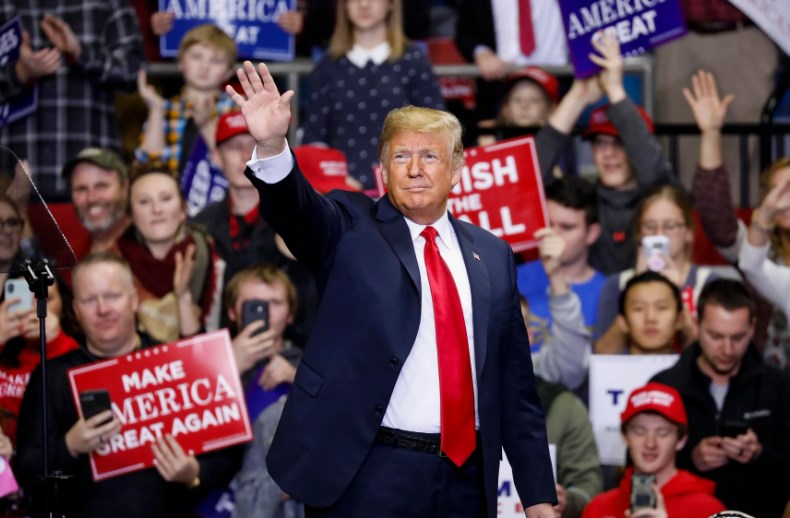
Midterm elections live updates: Trump to rally voters ahead of key races – With the 2026 US midterm elections approaching, President Donald Trump is making another major push to encourage voters to support Republican candidates. Just days before Election Day, the president is heading to Iowa and Kansas for campaign rallies as Republicans face increasingly competitive races that could determine whether they retain control of Congress.
The November 3 elections are particularly important because they will shape the political environment for the remainder of Trump’s second term. Republicans currently hold narrow majorities in both the House of Representatives and the Senate. If Democrats manage to win control of either chamber, Trump’s administration could face greater congressional resistance, increased investigations, and difficulties advancing its legislative priorities. Midterm elections live updates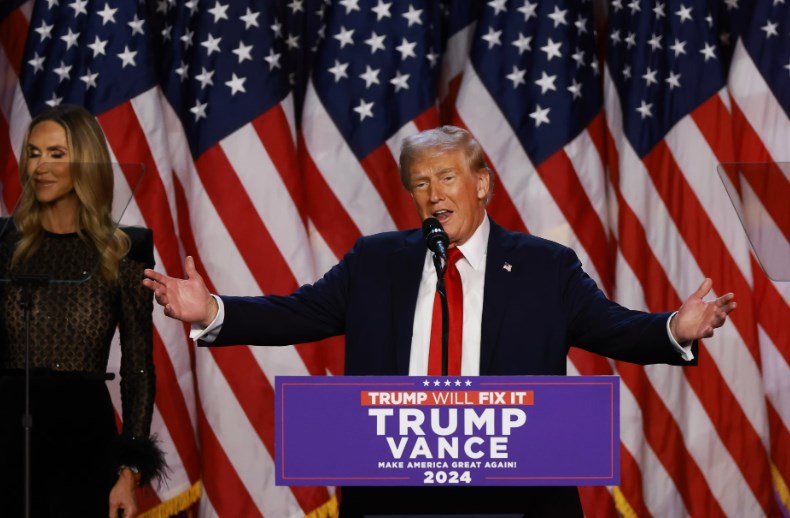
Trump’s latest campaign appearances come at a challenging moment for the Republican Party. Although the president continues to enjoy strong support among many conservative voters, concerns about household expenses, fuel prices, immigration, and the broader economy are creating difficulties for Republican candidates in several states. Democrats are hoping to turn those frustrations into an electoral advantage.
Trump Heads to Iowa and Kansas for Final Campaign Push
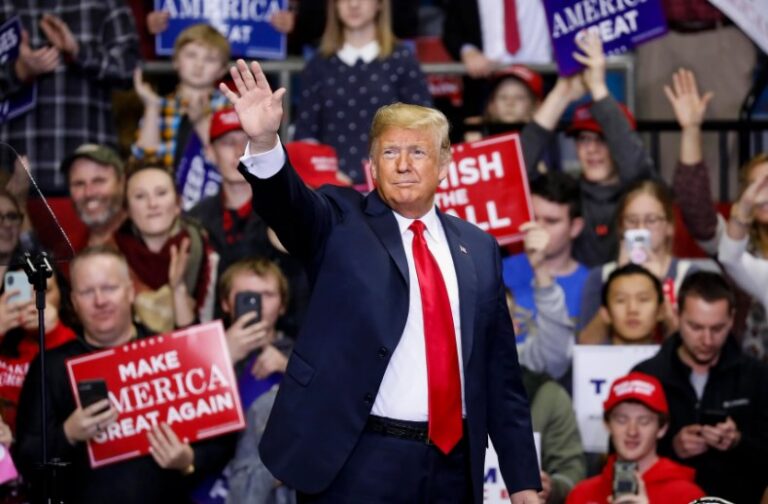
Trump is scheduled to visit Iowa and Kansas on Sunday, November 1, as Republicans attempt to strengthen their position before voters head to the polls. The two states are traditionally considered Republican territory, but several closely contested races have made them important parts of the national political battle. The president is expected to begin his campaign appearances in Dubuque, Iowa, before traveling to Salina, Kansas, for an evening rally. Both events are intended to encourage Republican supporters to participate in the election and help candidates facing difficult challenges.
Trump has expressed confidence about the party’s chances, suggesting that Republicans could perform better than some political observers expect. He has also defended his campaign strategy, arguing that his appearances are helping Republican candidates attract attention and energize voters. However, Iowa’s political situation has become more complicated than Republicans might have anticipated. Trump comfortably won the state in the 2024 presidential election, but recent polling suggests that several races are much closer than expected. His approval rating among rural Americans also declined to 45% in October, according to Reuters/Ipsos polling.
Kansas is facing a similarly unexpected challenge. Republican Senator Roger Marshall is attempting to hold his seat against Democratic challenger Adam Hamilton. The race has attracted national attention because Kansas has traditionally been a dependable Republican state. Trump’s decision to campaign in both locations demonstrates how seriously Republican leaders are taking the possibility of losing seats in states they previously considered relatively safe.
Republicans Face a Difficult Battle to Maintain Congressional Control
The 2026 midterm elections will determine all 435 seats in the House of Representatives and 35 seats in the Senate. The results could significantly change the balance of power in Washington, particularly because Republicans currently have only narrow majorities. The Senate is especially important because Republicans hold 53 seats compared with the Democrats’ 47. Several competitive contests could determine whether the party maintains its advantage or loses control of the chamber. Midterm elections live updates
The House presents another serious challenge. Republicans have a limited majority, meaning Democrats do not need an overwhelming national victory to take control. A relatively small number of closely contested districts could decide which party controls the legislative agenda. For Trump, maintaining Republican control of Congress would make it easier to advance his administration’s priorities. Republican lawmakers could continue supporting his legislative proposals, confirming political appointments, and defending administration policies.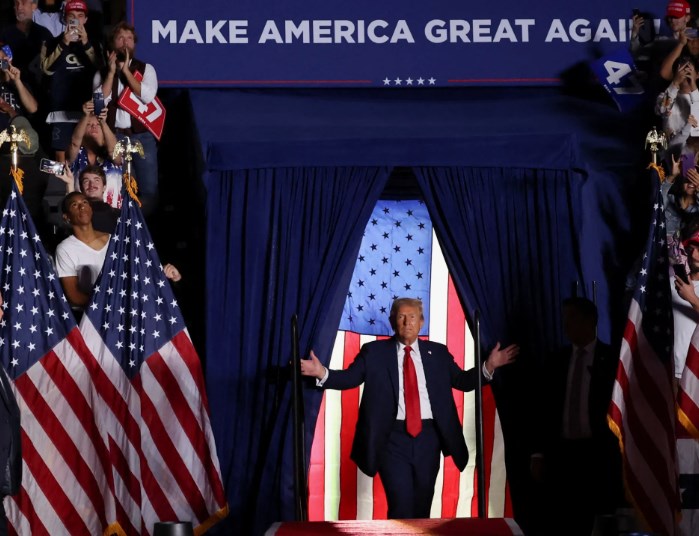
A Democratic victory in either chamber would create a different situation. Democratic lawmakers would gain greater influence over congressional committees, investigations, spending decisions, and legislation. They would also have more opportunities to challenge policies introduced by the White House.
This possibility explains why Trump has remained heavily involved in the midterm campaign despite not being a candidate himself. He understands that the election will serve as an important judgment of his presidency and the Republican Party’s performance.
Economy and Rising Living Costs Become Major Election Issues
One of the biggest challenges facing Republican candidates is the economy. Although Trump has repeatedly promoted his administration’s economic policies, many Americans remain concerned about the cost of everyday necessities.
Higher gasoline prices, grocery bills, healthcare expenses, and housing costs have become important subjects throughout the campaign. These issues are particularly significant in agricultural states such as Iowa and Kansas, where farmers are dealing with increased operating expenses and uncertainty surrounding international trade.
The prolonged conflict involving Iran has also contributed to concerns about energy prices. Higher fuel and fertilizer costs have placed additional pressure on farmers, creating frustration among some voters who traditionally support Republican candidates. Midterm elections live updates
Democrats are using these economic concerns to challenge Trump’s claims about the country’s financial performance. Their message focuses on affordability, arguing that voters should evaluate the administration based on their household expenses rather than political promises.
Republicans, meanwhile, are defending their economic record and emphasizing tax policies, domestic energy production, and efforts to strengthen American businesses. Trump has also predicted that gasoline prices will eventually decline, although voters facing immediate financial pressure may not be convinced by those assurances.
The economic debate could prove decisive in several competitive Senate and House races. Candidates who successfully connect their campaign messages to the everyday experiences of voters may have an advantage when the final ballots are counted.
More Than 52 Million Americans Have Already Voted
Another important development ahead of Election Day is the unusually high number of Americans who have already participated in early voting. According to the University of Florida’s Election Lab, more than 52 million Americans had cast ballots by November 1. That figure represents a record for a midterm election and exceeds the number of early votes recorded during the comparable period in 2022. The increase highlights how closely voters are following this year’s political contests. Early voting gives Americans opportunities to participate without waiting until Election Day, and the strong turnout suggests that interest in the congressional elections remains substantial.
Texas is among the states reporting particularly significant early participation. More than seven million voters had cast ballots by the end of early voting on Friday, representing approximately 37% of the state’s registered voters. Several major counties have also recorded impressive participation. Harris County reported more than one million early votes, while Dallas County exceeded its total early-voting participation from the 2024 presidential election.
However, high early-voting numbers do not automatically indicate which political party will benefit. Republicans and Democrats are both encouraging supporters to vote early, and the final outcome will depend on the political preferences of those participating. For campaign strategists, these figures provide an important indication of voter engagement. Both parties are hoping that their supporters will remain motivated through Election Day, particularly in states where the final results could be determined by relatively small margins. Midterm elections live updates
Democrats Try to Build Momentum Against Trump and Republicans
While Trump is working to strengthen Republican support, Democrats are making their own efforts to encourage voters to reject the president’s political agenda. Former Vice President Kamala Harris has been among the prominent Democratic figures campaigning for candidates across the country. During a fundraising appearance in Atlanta, she argued that Americans had become increasingly frustrated with Trump and his administration.
Harris criticized the president’s economic record, questioned his priorities, and accused his administration of benefiting wealthy supporters while ordinary households continue to face financial difficulties. She also challenged Trump’s campaign promises, including his proposal to provide Americans with $5,000 payments under certain conditions tied to Republican victories. Harris argued that voters should be skeptical of promises that have not materialized. Democrats are hoping that dissatisfaction with the administration will translate into stronger turnout among independent voters and people who supported Trump in previous elections but have become less enthusiastic.
Nevertheless, the Democratic Party also faces internal challenges. Michigan’s closely watched Senate race between Democratic nominee Abdul El-Sayed and Republican Mike Rogers has attracted attention because of disagreements involving El-Sayed and his former primary rival, Representative Haley Stevens. The disagreement has created concerns about party unity at a particularly sensitive moment. Democratic leaders want their candidates to concentrate on defeating Republicans rather than allowing internal disputes to dominate the closing days of the campaign.
Representative Debbie Dingell has described the situation as a distraction and indicated that the planned joint appearance involving El-Sayed and Stevens would not proceed as originally expected. For Democrats, maintaining unity could be just as important as criticizing Trump. A divided party could struggle to convert dissatisfaction with the president into actual electoral victories.
Election-Related Legal Disputes Add Another Layer of Tension
Beyond campaign rallies and political advertisements, election-related legal disputes have become another major development in the final days before voting. The Justice Department has pursued legal action involving California mail ballots from more than 20,000 registered voters it alleges may be noncitizens. A federal judge rejected the administration’s request to prevent California from counting those ballots, and an appeals court also declined an earlier emergency request.
California has defended its election procedures, arguing that its safeguards against noncitizen voting are effective. Voting by noncitizens in federal elections is illegal. Another controversy involves Alaska’s Senate race, where federal prosecutors are investigating allegations surrounding the recruitment of a candidate who shares a name with Republican Senator Dan Sullivan. Democratic challenger Mary Peltola and her campaign have denied involvement in the alleged effort. The candidate at the center of the controversy has also denied coordinating with Peltola’s campaign.
The Justice Department has additionally asked a federal court to prevent certification of Alaska’s election results if the incumbent senator narrowly loses. These developments have intensified concerns about election administration and the possibility of prolonged legal disputes after voting ends. For voters, the immediate priority remains understanding the candidates, participating in the election, and allowing the established counting and certification procedures to take place.
What Happens Next as Election Day Approaches?
With November 3 approaching, the remaining campaign appearances could have an important influence on voter enthusiasm. Trump’s rallies in Iowa and Kansas represent an opportunity to encourage Republican supporters to participate and reassure candidates facing unexpectedly competitive contests. However, the president’s involvement also creates political risks. If Republicans perform poorly, the results could be interpreted as a rejection of his administration’s policies and leadership. Democrats would likely use any major victories to argue that voters want a different direction for the country.
For Republicans, the immediate objective is straightforward: protect their congressional majorities and demonstrate that Trump’s political influence remains strong. Democrats, meanwhile, want to capitalize on economic frustrations and dissatisfaction with the administration to regain legislative power. The record number of early voters, competitive Senate races, and growing political tensions have made the 2026 midterms particularly consequential.
Ultimately, the results will determine much more than which party controls Congress. They will also provide a major indication of how Americans view Trump’s presidency and what direction they want the country to take during the final two years of his current term. As both parties make their closing arguments, one thing is clear: neither Republicans nor Democrats can afford to assume that traditional political advantages will guarantee victory. The final decision now belongs to voters. Midterm elections live updates
About the Author