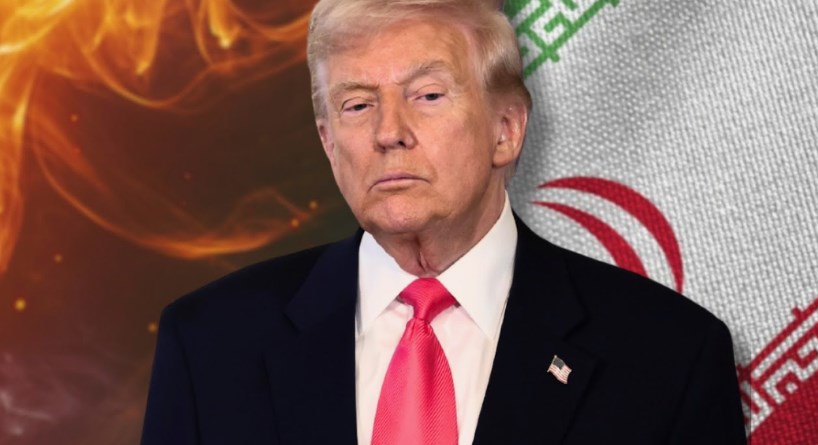
US intelligence chief warns of Iranian attacks targeting American citizens – The United States is raising concerns about the safety of its citizens overseas after the nation’s top intelligence official warned that Iran has significantly increased efforts to target American personnel. The warning, delivered in an unclassified memo to Secretary of State Marco Rubio, described alleged plots against Americans as having reached advanced stages in the Middle East and several other countries.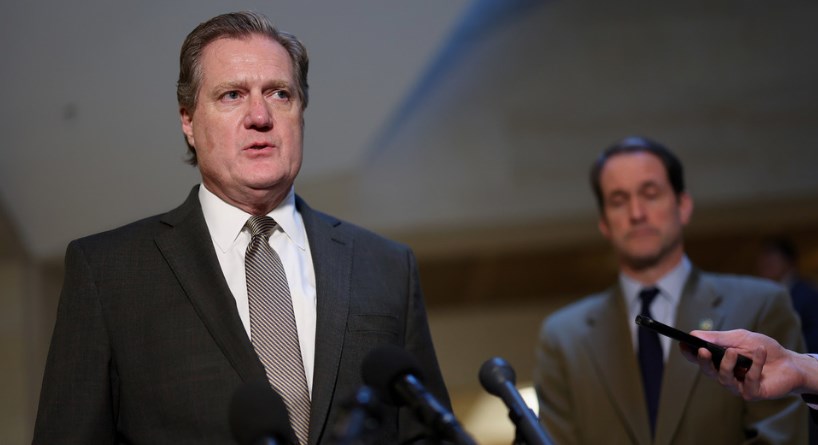
The alert comes at a particularly tense moment in relations between Washington and Tehran. The possibility of renewed military action, escalating attacks by Iran-backed Houthi forces, and growing security concerns at American diplomatic missions have added pressure to an already volatile situation. US officials are responding by reviewing embassy staffing and strengthening efforts to ensure that potentially vulnerable personnel receive relevant intelligence.
Although the warning is serious, the memo does not identify specific targets or countries where the alleged plots are underway. It also does not establish that an attack is imminent. Nevertheless, the assessment highlights the risks facing American officials abroad as the conflict involving the United States, Israel, and Iran continues to threaten regional stability.
Intelligence Chief Issues Serious Warning About Iran
The warning came from Jay Clayton, the US director of national intelligence, who sent a memo to Rubio on October 23, 2026. According to reporting by CBS News and Reuters, Clayton said American intelligence agencies had received information indicating that Iran had substantially increased its efforts to target US personnel abroad.
The memo described alleged efforts to kill American citizens as having reached advanced stages in the Middle East and certain other countries. That language suggests officials are taking the intelligence seriously, although the public document provides limited information about the specific nature of the reported plots.
Clayton also indicated that the threat information could be relevant to more people than were currently authorized to receive it. He said the intelligence community was working to make sensitive information available to a broader group of State Department personnel while protecting sources and classified details.
CIA Director John Ratcliffe was copied on the memo, underscoring the importance of coordination between intelligence agencies and diplomatic officials. The goal is to ensure that people who may face potential threats have access to the information and guidance necessary to protect themselves.
However, the public warning leaves several important questions unanswered. Officials have not disclosed the identities of potential targets, the locations of the alleged plots, or whether authorities have disrupted any specific operations. Those gaps make it difficult for the public to assess the precise level of danger, even as the government takes additional precautions.
US Embassies Adjust Security Measures
The intelligence warning arrived as the State Department was already changing staffing arrangements at American diplomatic facilities across the Middle East. Earlier in the week, the department ordered non-emergency personnel and their families to leave Saudi Arabia. Additional staffing reductions were reported at US diplomatic missions in the United Arab Emirates, Qatar, Lebanon, and Jordan. Some posts were placed under restricted operating status, allowing officials to reduce staffing in response to changing security conditions.
These measures reflect concerns about more than one source of danger. US officials have cited threats associated with Iran as well as attacks by the Iran-backed Houthi movement in Yemen. The Houthis have increased drone and missile attacks in the region, raising concerns about the safety of diplomatic personnel, commercial infrastructure, and other potential targets.
Reducing embassy staffing does not necessarily mean that every location faces an immediate attack. Governments regularly adjust their diplomatic presence when intelligence assessments change or when local conditions become more dangerous. Such decisions can help limit exposure while allowing essential diplomatic operations to continue.
Even so, the combination of staffing changes and the intelligence chief’s warning indicates that Washington sees the current threat environment as serious enough to require action.
American citizens living in or traveling to affected countries should follow official travel advisories and instructions from local US embassies. Security guidance can change quickly during periods of conflict, making current information particularly important.
Rising Tensions Could Increase the Risk of Retaliation
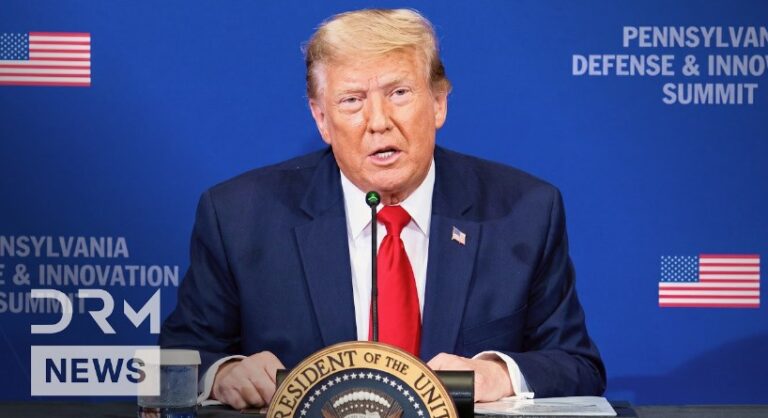
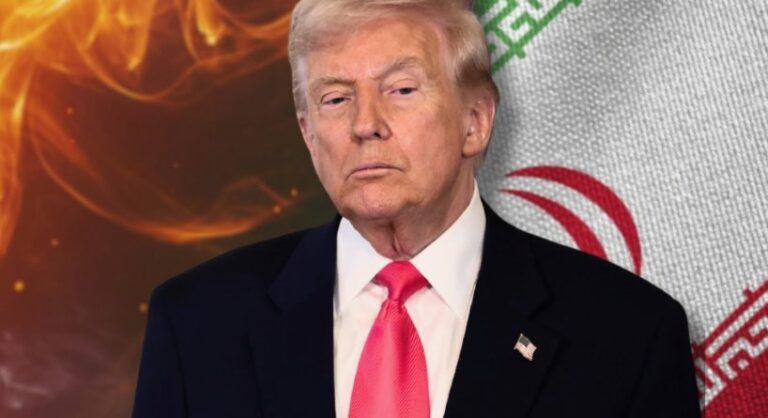
The warning comes amid uncertainty about whether the United States will resume large-scale military operations against Iran. President Donald Trump has publicly left open the possibility of renewed strikes if negotiations fail to produce an agreement. US intelligence chief warns of Iranian attacks targeting American citizens
That uncertainty complicates the security situation. Military action could trigger retaliation from Tehran or groups aligned with Iran, potentially placing American personnel and interests at greater risk. The intelligence warning does not establish that any particular attack would be a response to a future US operation, but the broader political and military context is an important part of the assessment.
The conflict has also affected regional security beyond direct confrontations between Washington and Tehran. Attacks involving Iran-aligned groups have raised concerns about shipping, energy infrastructure, airports, and diplomatic facilities. The Strait of Hormuz remains especially important because of its role in global oil transportation and the wider economic consequences of instability in the Gulf.
The prospect of additional military action has created pressure for both security preparations and diplomatic engagement. US officials must consider how to protect personnel while avoiding unnecessary exposure, particularly at locations where local security conditions may deteriorate quickly. At the same time, governments in the region have reasons to prevent further escalation. A wider conflict could threaten trade, energy supplies, transportation networks, and civilian populations across several countries.
Iran-Backed Groups Add Another Layer of Concern
The warning about Iranian activity comes alongside heightened concerns about the Houthi movement, which has carried out attacks in the region and is aligned with Iran. Although the Houthis and the Iranian government are distinct actors, their relationship is an important factor in Washington’s assessment of regional security. Attacks by the group have contributed to the pressure on Saudi Arabia and other regional partners. They have also influenced decisions about American diplomatic staffing and security precautions.
The distinction between direct Iranian operations and actions by aligned groups matters. A threat assessment may consider several possible sources of danger, but that does not mean every attack can automatically be attributed to the Iranian government. Establishing responsibility for a specific incident requires evidence.
For American officials, the challenge is to prepare for a range of possible threats without assuming that every warning will result in an attack. Intelligence agencies must assess information from different sources, evaluate its reliability, and communicate relevant findings to the people responsible for security. Public disclosures can help explain why governments are taking precautions, but intelligence agencies often withhold details that could reveal sources, methods, or ongoing investigations. That limitation leaves the public with an incomplete picture of the reported plots.
What the Warning Means for American Citizens
The memo primarily concerns US personnel abroad, particularly officials and other Americans who could be exposed to threats in the current regional environment. It does not announce a confirmed, nationwide threat against ordinary Americans inside the United States. That distinction is important. A warning about alleged plots overseas should not be interpreted as proof that attacks are imminent everywhere or that every American citizen faces the same level of danger. US intelligence chief warns of Iranian attacks targeting American citizens
For Americans traveling or living abroad, the most practical response is to stay informed and follow official guidance. Travelers should monitor State Department advisories, pay attention to messages from their nearest US embassy, and understand local emergency procedures. Anyone in an area where officials have ordered departures or issued specific security instructions should take those directions seriously.
Businesses and organizations with personnel in the region may also need to review their security arrangements, travel plans, and emergency communication procedures. The appropriate measures will depend on the location and the guidance issued by relevant authorities. Meanwhile, US intelligence agencies and diplomatic officials face the task of translating sensitive information into practical protection. The effectiveness of the response will depend on how quickly credible threats can be assessed and communicated, and whether security measures can adapt as conditions change.
Diplomacy Remains Important as Security Concerns Grow
The intelligence warning underscores how difficult it may be to prevent the conflict from expanding. Stronger security measures can reduce exposure to threats, but they cannot resolve the political disagreements driving tensions between Washington and Tehran.
Diplomatic channels therefore remain important, even as governments prepare for possible retaliation or renewed military action. Negotiations could offer a way to reduce the risk of further attacks, protect regional infrastructure, and prevent additional casualties. However, the prospects for an agreement remain uncertain, particularly while military options continue to be discussed publicly.
For the United States, the immediate priority is protecting its citizens and personnel while evaluating the intelligence behind the warning. Officials must also consider how their decisions could affect regional partners and the wider security environment. The coming weeks could be significant as Washington weighs its next steps and regional governments respond to the possibility of further escalation. Any new intelligence, diplomatic breakthrough, or military incident could alter the situation.
Final Thoughts
The US intelligence chief’s warning about alleged Iranian plots against American citizens highlights the seriousness of the current security environment. Jay Clayton’s October 23 memo said Iran had substantially increased efforts to target US personnel and that lethal plotting efforts had reached advanced stages in the Middle East and other countries.
The warning has emerged alongside embassy staffing reductions, attacks by Iran-backed Houthi forces, and uncertainty about the possibility of renewed US military action. Together, these developments have prompted Washington to reassess how it protects American personnel abroad. Important details remain undisclosed, and the memo does not confirm that an attack is imminent. Still, the assessment makes clear that US officials are treating the reported threats seriously.
For American citizens overseas, following official guidance and remaining aware of changing conditions are sensible precautions. For policymakers, the challenge is to protect people, respond to credible threats, and avoid decisions that could further intensify an already dangerous confrontation. Whether diplomacy can reduce tensions remains uncertain, but the consequences of further escalation could reach well beyond the countries directly involved. US intelligence chief warns of Iranian attacks targeting American citizens
About the Author