Galaxy S27’s biggest threat is a cheaper iPhone crashing its party – Samsung’s next flagship smartphone could face an unexpected challenge in 2027, and it may not come from another Android manufacturer. Instead, the biggest threat to the upcoming Galaxy S27 lineup could be Apple’s more affordable standard iPhone 18 arriving at almost the same time.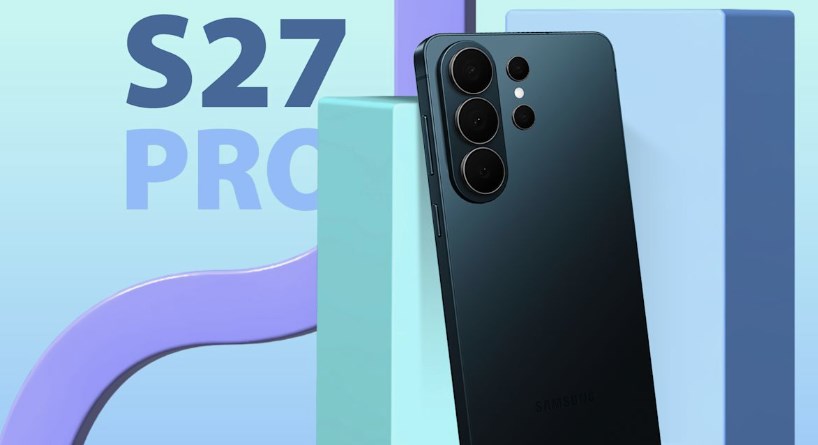
For years, Samsung has enjoyed a relatively comfortable launch window for its Galaxy S series. The company typically introduces its flagship phones early in the year, several months after Apple unveils its latest iPhones. By the time Samsung takes the stage, much of the initial excitement surrounding Apple’s newest devices has already faded.
That familiar pattern could change in 2027. Apple is reportedly adjusting its launch strategy, potentially bringing the standard iPhone 18 to market around the same period as Samsung’s Galaxy S27 family. If the timing and rumored pricing hold, Samsung could find itself competing directly with a new iPhone that costs less than its flagship alternative. Neither company’s complete plans for 2027 have been confirmed. However, the possibility raises important questions about pricing, marketing, and how consumers choose their next premium smartphone.
Apple’s Changing iPhone Launch Strategy Could Disrupt Samsung
Samsung and Apple have traditionally followed different flagship release schedules. Samsung generally launches its Galaxy S phones in January or February, while Apple usually introduces its main iPhone lineup around September. This separation gives both companies an opportunity to capture attention without facing the other manufacturer’s newest flagship products immediately. Samsung can dominate technology headlines during its launch period, while Apple benefits from the excitement surrounding its autumn announcements.
According to recent reports, Apple may be changing that approach by dividing its iPhone launches across different periods. The company has reportedly prioritized its premium models and its first foldable iPhone, leaving the standard iPhone 18 for a later release.
The strategy could give Apple’s more expensive devices additional time in the spotlight. However, it may also create an unexpected overlap with Samsung’s early-year flagship launch. If the standard iPhone 18 arrives around the same time as the Galaxy S27, Samsung could face competition from a product that would normally have appeared months earlier or later in its sales cycle.
The impact would extend beyond online reviews and technology news coverage. Both manufacturers would compete for consumer attention, retail displays, carrier promotions, and shoppers who are ready to upgrade their phones. For Samsung, losing its traditional period of relative freedom from Apple’s newest mainstream iPhone could make the Galaxy S27 launch more difficult.
A Lower-Priced iPhone Could Put Pressure on the Galaxy S27
Price could become the most important part of this competition. The Galaxy S26 starts at $999 in the United States, according to the pricing discussed in the recent report from SamMobile. Apple’s iPhone 17 launched at $799, while the iPhone 17e occupies a lower price tier at $599. If Apple maintains the iPhone 17’s starting price for the standard iPhone 18, the new model could be considerably cheaper than Samsung’s flagship, depending on the Galaxy S27’s final retail price.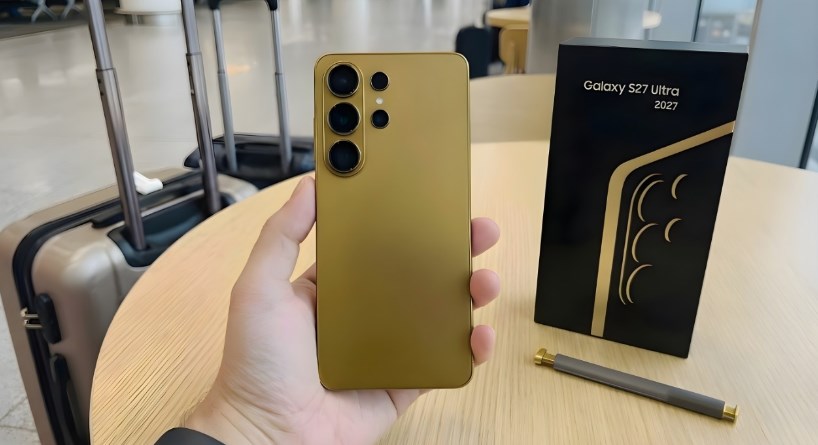
However, future pricing remains uncertain. Rumors about the Galaxy S27 lineup have produced different estimates, and rising component costs could affect both companies. Samsung has not officially announced the Galaxy S27’s price, and Apple has not confirmed the standard iPhone 18’s launch date or starting cost.
Even so, the possibility of a less expensive iPhone arriving alongside Samsung’s flagship is worth watching. Many consumers compare phones based on their overall value rather than choosing a brand automatically. When two new devices appear within weeks of each other, a noticeable price difference can influence the buying decision.
A lower-priced iPhone could be especially attractive to people who want Apple’s ecosystem but do not need the advanced cameras, larger displays, or premium features associated with its Pro models. Samsung, meanwhile, would need to explain why the Galaxy S27 deserves its price. Faster performance, display quality, camera capabilities, artificial intelligence features, and long-term software support could all help make its case.
The United States Could Be Samsung’s Biggest Challenge
Although Samsung and Apple compete around the world, the United States could be one of the most difficult markets for Samsung if their flagship launches overlap.
Apple has a strong position in the American smartphone market, supported by brand loyalty, an established ecosystem, and close relationships with mobile carriers. Many customers already use an iPhone, Apple Watch, Mac, or iPad, making it convenient to remain within the same ecosystem when purchasing a new phone.
A cheaper iPhone 18 could appeal not only to existing Apple users but also to consumers considering a switch from Android. If the device offers strong performance, dependable cameras, and long software support at a competitive price, Samsung may find it harder to persuade those shoppers to choose the Galaxy S27 instead.
Retail visibility could also become an issue. Carrier stores frequently promote new smartphones through installment plans, trade-in offers, and limited-time discounts. If Samsung and Apple introduce their products during the same period, both companies will compete for the same promotional space and customer attention.
Of course, not every Android user will switch to an iPhone simply because it costs less. Some consumers prefer Android’s flexibility, customization options, or integration with their existing devices. Others may remain loyal to Samsung regardless of Apple’s launch schedule. Nevertheless, shoppers who are open to either platform could become more price-sensitive when presented with two new flagship options at nearly the same time. Galaxy S27’s biggest threat is a cheaper iPhone crashing its party
Samsung Needs More Than Impressive Specifications
A competitive Galaxy S27 will need to offer more than a long list of technical improvements. Samsung must give customers clear reasons to choose its phone over a similarly priced or cheaper iPhone. The display is one area where Samsung has traditionally emphasized its strengths. The company has considerable experience developing AMOLED panels, and screen brightness, color reproduction, refresh rates, and viewing comfort remain important considerations for premium smartphone buyers.
Camera performance could be equally important. Consumers increasingly expect phones to produce reliable photographs in different lighting conditions, capture stable video, and deliver convincing portraits without requiring extensive manual adjustments. Samsung will need to demonstrate meaningful improvements rather than relying exclusively on higher megapixel counts or new processing features.
Artificial intelligence could also influence the comparison. Both companies are investing in software features intended to make smartphones more helpful, from photo editing and writing assistance to intelligent search and personal productivity tools. The challenge will be turning those capabilities into practical benefits that users notice every day.
Samsung must also consider battery life, charging convenience, durability, and software support. These factors can make a greater difference to long-term satisfaction than small improvements in processor speed. Ultimately, the Galaxy S27 needs to feel like a worthwhile upgrade. If the device looks too similar to its predecessor while becoming more expensive, a lower-priced iPhone could become an appealing alternative.
Could Samsung Move Its Launch Forward?
One possible response would be for Samsung to adjust its launch schedule. If Apple plans to release the standard iPhone 18 in early 2027, Samsung could consider introducing the Galaxy S27 earlier to create more distance between the two announcements. However, moving a flagship launch forward is not as simple as changing a date on the calendar. Product development, manufacturing schedules, component availability, marketing campaigns, and retailer preparations all require coordination.
Launching earlier might also provide only a temporary advantage. If Apple continues splitting its releases across the year, Samsung could face similar competition in future generations. The company may need a broader strategy that emphasizes product value and customer retention rather than relying on a favorable launch window. Samsung could also use trade-in deals, carrier partnerships, and launch promotions to make the Galaxy S27 more attractive. Such offers can reduce the effective cost for buyers without necessarily requiring a permanent reduction in the official retail price.
Still, discounts cannot solve every problem. Samsung will need to balance competitive pricing with rising manufacturing costs, particularly if memory and other components become more expensive. Apple faces similar pressures, so neither company can assume that maintaining current prices will be easy.
The Galaxy S27 and iPhone 18 Could Set Up a Major Showdown
The potential competition between the Galaxy S27 and standard iPhone 18 illustrates how smartphone launches are becoming more complicated. The battle is no longer limited to which company produces the most powerful phone or introduces the newest feature. Timing, pricing, ecosystem loyalty, and perceived value can be just as influential.
For consumers, overlapping launches could be beneficial. More direct competition may encourage manufacturers to improve their devices, offer stronger trade-in programs, and introduce more attractive promotions. Buyers would have a better opportunity to compare the latest products before making a decision.
However, the outcome remains uncertain. Apple has not officially confirmed the standard iPhone 18’s release schedule or price, and Samsung has not revealed the Galaxy S27’s final specifications or launch plans. Rumors may change considerably before either device reaches stores. Galaxy S27’s biggest threat is a cheaper iPhone crashing its party
Final Thoughts
The Galaxy S27’s biggest challenge in 2027 could come from an unexpected source: a standard iPhone that arrives at the wrong time for Samsung and potentially costs less. If Apple releases the iPhone 18 near Samsung’s usual flagship launch period while keeping its starting price competitive, Samsung could lose some of the attention it has traditionally enjoyed early in the year. The pressure could be especially strong in the United States, where Apple’s ecosystem and carrier relationships give it significant advantages. Galaxy S27’s biggest threat is a cheaper iPhone crashing its party
Samsung still has plenty of ways to compete. A compelling display, improved cameras, useful AI features, reliable battery life, and attractive pricing could make the Galaxy S27 a strong alternative. For now, the story remains a possibility rather than a confirmed showdown. But one thing is clear: Samsung may need to prepare for a different competitive landscape in 2027, where the success of its next flagship depends not only on what the Galaxy S27 can do, but also on how convincingly it compares with Apple’s latest iPhone.
About the Author