Galaxy Ring and Galaxy Watches to get improved Sleep Apnea Detection – Samsung is taking another step toward making wearable technology more useful for everyday health management. The company’s Galaxy Ring and compatible Galaxy Watch devices are set to receive an upgraded Sleep Apnea Detection feature designed to provide more detailed information about breathing disturbances during sleep.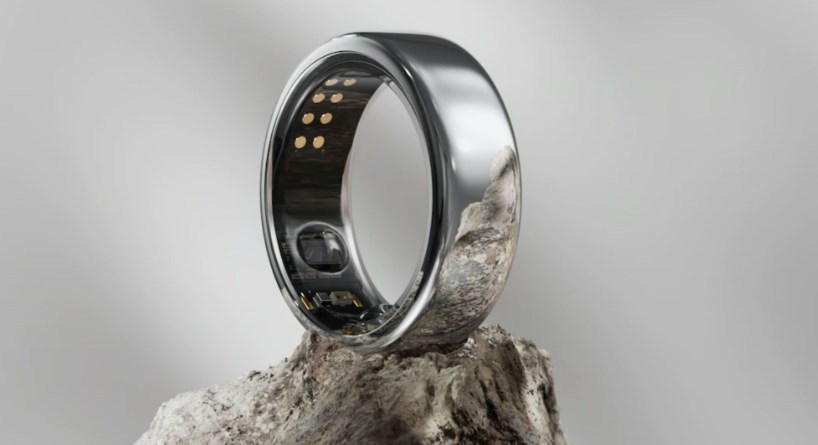
The update is an important development for people who want to understand their sleep habits beyond basic measurements such as sleep duration, heart rate, and movement. Instead of simply indicating whether signs associated with sleep apnea have been detected, the improved system will categorize breathing disturbances into three levels: mild, occasional, and frequent.
The new feature will initially reach users in South Korea, with the rollout expected to begin in November 2026. Samsung has not yet announced a complete international release schedule, so users in other countries will need to wait for further details. Nevertheless, the upgrade highlights the growing role of smart rings and watches in helping people recognize potential health concerns and decide when to seek professional advice.
Samsung Makes Sleep Apnea Results More Detailed
Samsung’s existing Sleep Apnea Detection feature was designed to identify signs of moderate to severe obstructive sleep apnea. The updated version takes the process further by estimating how frequently breathing disturbances occur during sleep and organizing the results into three categories.
The new classifications—mild, occasional, and frequent—are intended to give users more context about the breathing patterns recorded by their wearable devices. Rather than receiving only a basic indication of possible sleep apnea, users can get a clearer summary of how often the system detects disturbances in their sleep data.
This change could make the feature more useful for people who want to monitor their sleep over time. Sleep problems are not always obvious, especially when they occur at night and the person experiencing them has no clear memory of waking up. A wearable that identifies concerning patterns may encourage someone to pay closer attention to their sleep quality.
However, these categories should not be confused with a formal medical diagnosis or a clinical determination of sleep apnea severity. They describe patterns identified by Samsung’s algorithm and are intended to support awareness, not replace an examination by a qualified healthcare professional.
Samsung received clearance from the US Food and Drug Administration in July 2026 for the enhanced feature, followed by approval from South Korea’s Ministry of Food and Drug Safety in October. The Korean approval cleared the way for the initial domestic rollout.
How the Improved Feature Works
The upgraded system uses an AI-based algorithm to analyze breathing disturbances recorded while a person sleeps. The wearable gathers relevant physiological data, including measurements associated with blood oxygen levels and changes in the wearer’s signals during sleep. The Samsung Health Monitor app then processes the information to provide the user with a result.
To generate an assessment, users must record at least five hours of sleep on two separate nights within a 10-day period. This requirement gives the system data from multiple sleep sessions rather than relying on a single night that may not reflect a person’s usual patterns.
The process is designed to fit into a normal bedtime routine. Users wear their compatible device while sleeping, allow it to collect the necessary information, and review the resulting assessment through the supported app. They do not need to conduct a separate overnight procedure at home, although they must meet the software’s requirements for sufficient data.
It is important to understand that the feature is a screening tool rather than a replacement for a sleep study. A wearable can help identify patterns worth discussing with a doctor, but it cannot independently establish every cause of poor sleep or breathing problems.
The results should therefore be treated as useful information, not a final medical conclusion. Anyone experiencing persistent symptoms or receiving concerning results should speak with a healthcare professional about appropriate evaluation.
Which Galaxy Watches and Ring Will Receive the Update?
Samsung’s rollout will begin with its newest compatible wearables. In South Korea, the improved feature is scheduled to arrive first on the Galaxy Ring, Galaxy Watch 9, and Galaxy Watch Ultra 2 in November 2026. The company also plans to extend the upgraded experience to existing devices, including the Galaxy Watch 7, Galaxy Watch 8, Galaxy Watch 8 Classic, and Galaxy Watch Ultra. The older supported models are expected to receive the feature through future software updates, with compatibility dependent on the required software version.
This is welcome news for owners who do not necessarily want to purchase a new wearable simply to access improved health tools. A software update can extend the usefulness of existing hardware, provided the device meets the technical and regulatory requirements. However, not every Galaxy Watch will receive the enhanced version. Older models that cannot meet the new software requirements will retain the existing Sleep Apnea Detection experience rather than gaining the more detailed classifications. Samsung’s original feature remains available on supported Galaxy Watch 4 and newer models running Wear OS 5.0 or later, subject to regional availability and other requirements.
The distinction matters because a device that supports basic sleep apnea detection may not automatically qualify for the upgraded system. Owners should check their model, installed software, and regional support before expecting the new classifications to appear.
Why the Galaxy Ring Could Be Particularly Useful
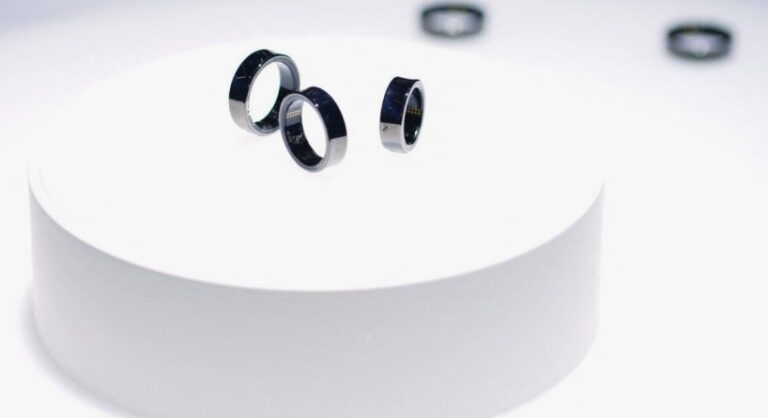
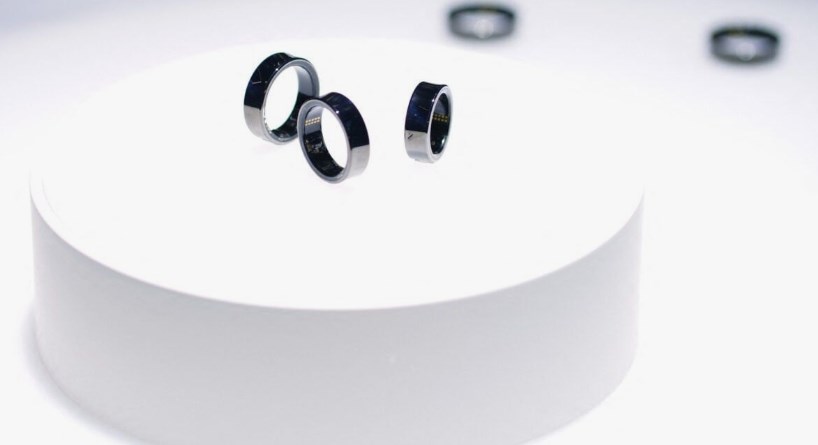
The Galaxy Ring has a different advantage from a smartwatch: its small, lightweight design makes it a practical option for people who prefer not to wear a watch overnight. Some users find a watch uncomfortable in bed, particularly if they move frequently or prefer sleeping without anything bulky on their wrists. A ring can be less noticeable during sleep while still collecting supported health and activity data. That makes it an interesting option for people who want to track their nighttime patterns without adding another large device to their bedtime routine.
The new sleep apnea feature could give the Galaxy Ring a more meaningful role in Samsung’s health ecosystem. Instead of focusing mainly on activity, recovery, and sleep summaries, the ring can also help users recognize potential breathing disturbances that may deserve further attention. Of course, comfort alone does not guarantee a more accurate assessment. Results still depend on the quality of the collected data, the software’s capabilities, and whether the user follows the required recording process. The ring also needs to be used in a supported market with compatible devices and software. Galaxy Ring and Galaxy Watches to get improved Sleep Apnea Detection
For consumers deciding between a Galaxy Ring and Galaxy Watch, the choice will continue to depend on personal preferences. A smartwatch offers a screen, notifications, and additional everyday features, while a ring provides a more discreet wearable format. The enhanced sleep feature gives both options another reason to appeal to health-conscious users.
Why Sleep Apnea Awareness Matters
Sleep apnea is a condition in which breathing repeatedly becomes interrupted or restricted during sleep. Obstructive sleep apnea, the form targeted by Samsung’s feature, occurs when the upper airway becomes blocked or narrowed during sleep, disrupting normal breathing.
These interruptions can affect sleep quality and leave people feeling tired during the day. Some people experience loud snoring, morning headaches, difficulty concentrating, or excessive daytime sleepiness, while others may not recognize the symptoms themselves.
Because the problem occurs while a person is asleep, it can remain unnoticed for a long time. A partner may notice snoring or pauses in breathing before the affected person realizes anything is wrong. Tools that encourage people to pay attention to possible warning signs may therefore help start important conversations about sleep health.
Untreated sleep apnea can also be associated with serious health concerns, including high blood pressure and cardiovascular complications. Early recognition and appropriate medical evaluation are important, particularly for people who experience ongoing symptoms.
That does not mean everyone who receives an alert has sleep apnea. Other factors can affect sleep and breathing, and wearable measurements have limitations. The value of the feature lies in helping users recognize possible concerns and seek professional guidance when appropriate.
Global Availability and What Users Should Expect
Although Samsung has announced the upgraded feature, its initial availability will be limited to South Korea. The November rollout is expected to start with the Galaxy Ring, Galaxy Watch 9, and Galaxy Watch Ultra 2, followed by compatible older models through future software updates.
Samsung has not confirmed a firm global rollout schedule for the enhanced version. Approval in South Korea and clearance in the United States are important steps, but they do not automatically mean the feature will be activated everywhere at the same time. Health software can be subject to local regulatory requirements, and availability may vary by country, wearable model, and paired smartphone.
Users in Indonesia and other international markets should therefore avoid assuming that the feature will appear immediately when the Korean rollout begins. The safest approach is to watch for announcements from Samsung’s local support channels and check for software updates when the feature becomes available in the relevant market.
The feature also relies on the Samsung Health Monitor app and a compatible Galaxy smartphone. Having a supported wearable alone may not be enough if the phone, software version, or region does not meet the requirements. Galaxy Ring and Galaxy Watches to get improved Sleep Apnea Detection
Final Thoughts
Samsung’s improved Sleep Apnea Detection feature represents a meaningful development for its wearable health platform. By moving beyond a simple warning and categorizing breathing disturbances as mild, occasional, or frequent, the company aims to give users more useful information about patterns detected during sleep.
The Galaxy Ring, Galaxy Watch 9, and Galaxy Watch Ultra 2 are scheduled to receive the feature first in South Korea, with compatible Galaxy Watch 7 and Watch 8 models expected to follow. Older devices that do not meet the requirements will continue using the existing version. Galaxy Ring and Galaxy Watches to get improved Sleep Apnea Detection
The update could make sleep tracking more informative and encourage users to take potential breathing problems seriously. Still, its results are intended to support awareness rather than replace a medical diagnosis. Anyone concerned about sleep apnea should discuss their symptoms and results with a qualified healthcare professional.
For now, the biggest question is when Samsung will expand the improved experience to more markets. If the rollout proceeds as planned, Galaxy wearable owners will have another tool to help them better understand their sleep and recognize when it may be time to seek expert advice.
About the Author