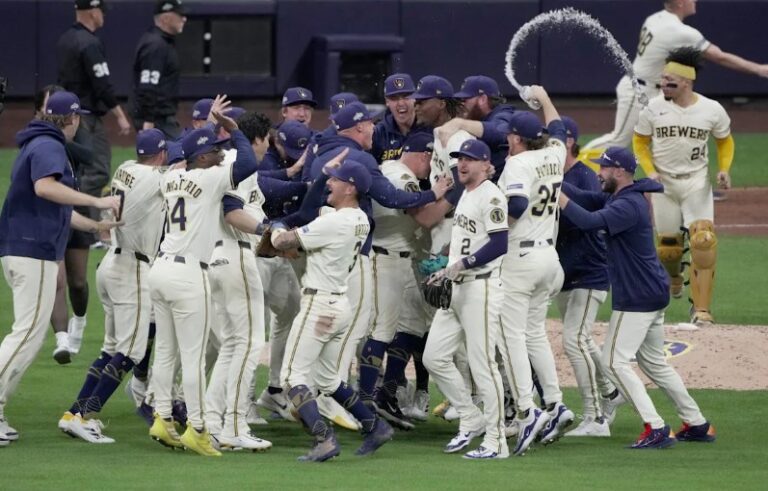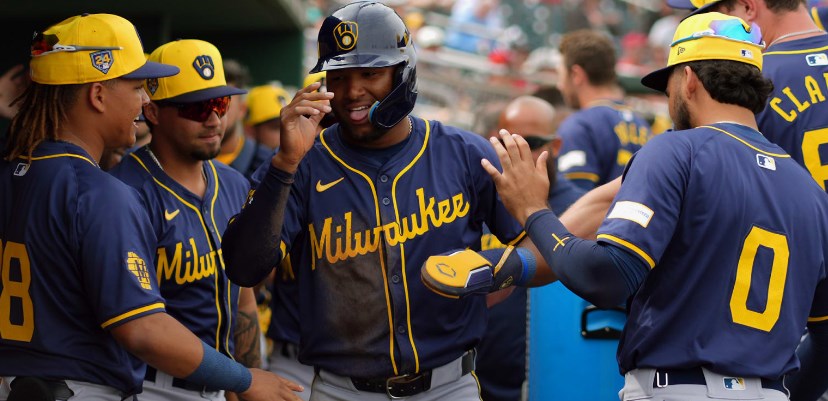
Brewers payroll breakdown: How Milwaukee built World Series winner on a small-ball budget – The Milwaukee Brewers have finally reached the top of Major League Baseball, and they did it without spending like the sport’s financial heavyweights. After winning a franchise-record 103 games during the regular season, Milwaukee defeated the Los Angeles Dodgers in the National League Championship Series before beating the Tampa Bay Rays in five games to capture its first World Series title.
What makes the achievement even more impressive is the money behind the roster. The Brewers entered the 2026 season with a reported payroll allocation of approximately $146.2 million, ranking 19th among MLB teams. Meanwhile, several of baseball’s biggest spenders invested far more in their rosters without reaching the championship stage. Milwaukee’s victory demonstrates that building a winning team is about more than signing expensive free agents. It requires identifying talent, developing young players, and making trades that deliver value over time.
Milwaukee’s Payroll Shows That Spending Is Not Everything
The Brewers’ estimated 2026 payroll allocation of $146.2 million placed them comfortably outside baseball’s highest-spending group. According to figures reported by the Milwaukee Journal Sentinel using Spotrac data, Milwaukee ranked 19th in total payroll allocations, while the Tampa Bay Rays ranked 28th at approximately $95.6 million.
The difference between Milwaukee and the sport’s biggest spenders was much more dramatic. The New York Mets carried a reported payroll of approximately $357.6 million, while the Los Angeles Dodgers spent hundreds of millions of dollars building a roster filled with established stars. Despite that financial advantage, the Dodgers could not get past Milwaukee in the NLCS.
Payroll figures can vary depending on whether a source measures actual salaries, total payroll allocations, or competitive-balance-tax calculations. Nevertheless, the broader picture remains clear: the Brewers assembled a championship-winning team without matching the financial commitments of baseball’s wealthiest clubs.
That does not mean money is irrelevant. A larger payroll can provide more opportunities to sign proven players, absorb expensive contracts, and improve a roster at the trade deadline. Milwaukee’s achievement instead highlights the importance of using available resources efficiently. For a small-market organization, avoiding expensive mistakes can be just as important as finding a future star.
Drafting and Developing Players Created the Foundation
One of Milwaukee’s biggest advantages was its ability to develop talent internally. Of the 26 players on the Brewers’ World Series roster, eight were draft picks. Their group included pitcher Jacob Misiorowski, second baseman Brice Turang, outfielder Sal Frelick, outfielder Garrett Mitchell, pitcher Aaron Ashby, and rookie shortstop Cooper Pratt.
Several of these players were selected outside the first round, showing why successful scouting and player development can be so valuable. Misiorowski, drafted in the second round in 2022, became a central figure in Milwaukee’s pitching plans. Pratt, selected in the sixth round in 2023, emerged as an important young contributor during the team’s postseason run.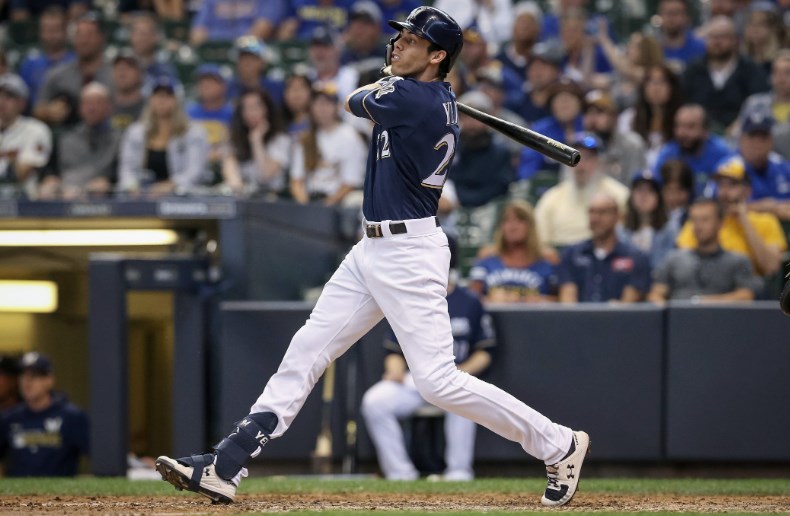
Drafting a player is only the beginning. Organizations must help prospects improve their mechanics, understand opposing hitters, develop consistency, and adjust to the demands of major-league competition. Not every prospect becomes a star, which makes the ability to identify and develop the right players essential.
Milwaukee also benefited from having young players contribute while their contracts remained relatively affordable. When homegrown talent performs at a high level before commanding major-market salaries, the front office gains flexibility to address other needs. That financial breathing room can be used to strengthen the bullpen, add depth, or pursue trades without committing the organization to several expensive long-term deals. Brewers payroll breakdown
Smart Trades Filled the Gaps
The Brewers did not build their championship roster entirely through the draft. Trades played an equally important role. According to the roster breakdown reported by The Sporting News, 14 of Milwaukee’s 26 World Series players were acquired through trades. That means more than half of the roster arrived through deals rather than the club’s own draft selections or major-league free agency.
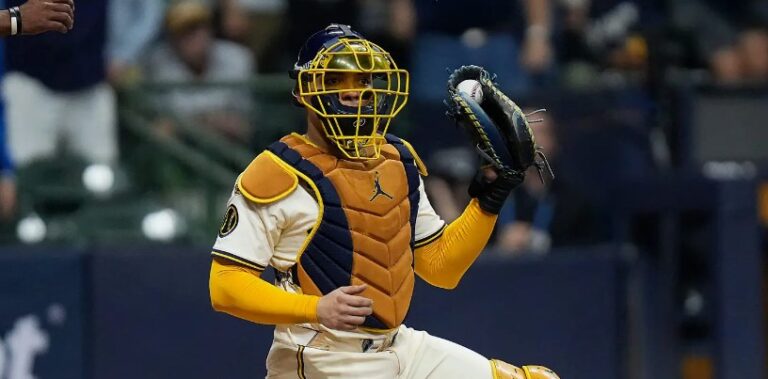
Catcher William Contreras is one of the clearest examples. Milwaukee acquired him in the three-team trade involving Sean Murphy in December 2022. Contreras developed into a central offensive presence and an important figure behind the plate, giving the Brewers a valuable player without requiring them to sign an expensive free agent at the position.
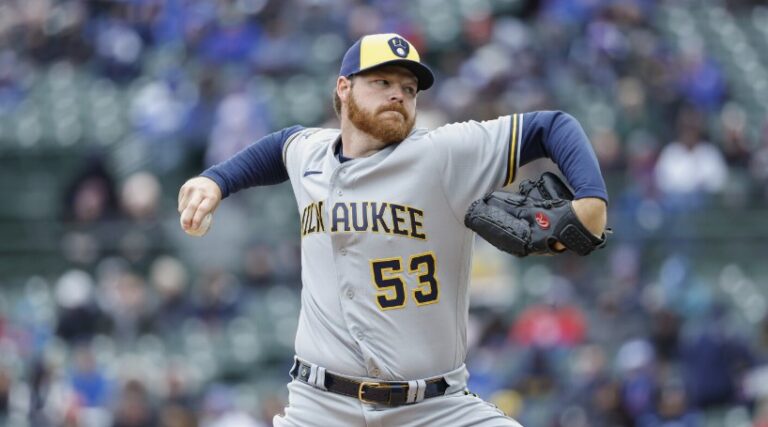
Other useful acquisitions included Trevor Megill, who arrived in a relatively modest transaction, and Joey Ortiz and pitcher DL Hall, who came from Baltimore in the Corbin Burnes trade. The Brewers also obtained Andrew Vaughn from the Chicago White Sox in 2025.
These moves illustrate an important part of Milwaukee’s approach: evaluating what a player could become, not just what he had already accomplished. A player who struggles to find a role with one club may thrive in a different environment with more consistent playing time or a better developmental plan.
Trading established players can be difficult for fans, particularly when those players have become popular or successful. However, Milwaukee has repeatedly shown a willingness to make decisions based on the long-term health of its roster. The World Series championship is a major reward for that strategy.
Affordable Signings and Contract Decisions Made a Difference
The Brewers also found value in international scouting and selective free-agent spending. Three players on their World Series roster—Jackson Chourio, Abner Uribe, and Luis Lara—were originally signed as international amateur free agents. Catcher Gary Sánchez, who joined Milwaukee on a one-year contract reported at $1.75 million, was the roster’s only major-league free-agent signing in the acquisition breakdown.
International scouting offers teams another path to discovering future contributors before they become established major-league players. Chourio, in particular, represents the potential payoff of identifying exceptional young talent early and giving that player a pathway to the highest level.
Contract extensions can be just as important. When a club commits to a young player before he reaches the open market, it may secure years of production under terms that provide greater financial predictability. Such agreements carry risks, but they can help a small-market team retain important players who might otherwise become difficult to afford.
Milwaukee’s payroll also illustrates why the highest-paid player is not necessarily the biggest contributor to a championship run. Christian Yelich and Brandon Woodruff accounted for substantial portions of the team’s salary commitments, yet their individual seasons were affected by performance and injury concerns. The Brewers needed contributions from players across the roster rather than relying exclusively on their most expensive names.
Scouting and Development Beyond the Major-League Roster
A low payroll does not necessarily mean a team spends little on its baseball operations. Milwaukee has invested in scouting and player development, areas that can create lasting advantages even when the club cannot compete financially for every prominent free agent.
MLB reported that the Brewers had 64 members in their scouting department, reflecting a commitment to evaluating players in person as well as through data. The organization’s approach combines traditional observation with analytical information, allowing scouts and decision-makers to consider a player’s skills, habits, athleticism, and potential fit.
This matters because statistics cannot always capture everything about a player. Watching someone play can help scouts assess defensive instincts, preparation, movement, and how a prospect responds to difficult situations. Data can then add context and help teams compare players across different leagues and levels of competition.
Milwaukee’s success also shows the value of building a consistent organizational identity. Developing players, evaluating trades, and making roster decisions all become more effective when the front office and coaching staff share a clear understanding of what they want from the team.
The Brewers’ championship should not be interpreted as proof that every low-budget club can win simply by following the same blueprint. Injuries, player development, and postseason results remain unpredictable. Still, Milwaukee demonstrated that investing in scouting and development can create a sustainable competitive advantage.
The World Series Win Adds Pressure to MLB’s Payroll Debate
Milwaukee’s championship arrives at a particularly important moment for baseball. The league’s collective bargaining agreement is scheduled to expire on December 1, 2026, and discussions about a possible salary cap are expected to be a major source of tension between team owners and the players’ union.
Owners have argued that a salary cap and minimum payroll could help improve competitive balance. Players have opposed the proposal, raising concerns about limits on earning potential and the division of baseball revenue. A lockout is widely anticipated if the sides cannot reach an agreement.
The Brewers’ success complicates the argument that smaller-market teams cannot compete without a new spending system. Milwaukee won the World Series with a payroll far below those of several major-market franchises. Tampa Bay also reached the championship series with a comparatively modest budget, reinforcing the idea that smart roster construction can overcome financial disadvantages.
However, one championship does not eliminate the structural challenges faced by teams with limited revenue. Nor does it prove that payroll disparities never matter. Milwaukee’s victory instead shows that scouting, player development, and effective decision-making can make a meaningful difference under the current system.
For Brewers fans, the immediate focus is on celebrating a historic achievement. The longer-term question is whether the organization can retain its core players and continue finding affordable talent as salaries rise and young contributors become eligible for more lucrative contracts. Brewers payroll breakdown
Final Thoughts
The Milwaukee Brewers’ first World Series championship is a triumph of roster construction as much as it is a sporting achievement. With a reported payroll allocation of approximately $146.2 million, Milwaukee finished well outside baseball’s biggest spenders but still produced a 103-win regular season and a championship run.
The formula combined eight drafted players, international signings, selective free-agent spending, and a deep network of trades. Just as importantly, the organization invested in scouting and development, giving its front office more ways to find players who could contribute without requiring blockbuster contracts. Brewers payroll breakdown
There is no guaranteed path to a championship, and the Brewers benefited from strong performances at the right moments. But their title offers a compelling reminder that financial resources are only one part of building a winner. A club that identifies talent early, develops its players, and makes disciplined roster decisions can compete with teams that spend considerably more.
Milwaukee has now turned that philosophy into its greatest achievement. The Brewers did not need the largest payroll in baseball to lift the World Series trophy. They needed the right players, the right decisions, and a team capable of delivering when the stakes were highest.
About the Author