
Samsung may soon release a desktop OLED screen with a maximum brightness of 1,400 nits. – OLED screens for laptops and monitors will soon be brighter. DisplayHDR True Black 1400 is a new display brightness certification tier introduced by the Video Electronics Standards Association (VESA). A desktop-grade OLED panel that satisfies this new certification may soon be released by Samsung Display.
The DisplayHDR True Black 1400 certification is intended for next-generation OLED panels that can sustain black levels as low as 0.0005cd/m² while achieving peak brightness of up to 1,400cd/m² (nits). Additionally, for OLED panels applying for this certification, VESA has increased the necessary sustained full-screen brightness to 700 nits. Compared to the current DisplayHDR True Black 1000 certification, the peak and sustained brightness standards are also substantial enhancements.

According to VESA, the improved testing infrastructure included with DisplayHDR CTS 1.2 is the foundation for the new certification. It has more stringent testing procedures and technical specifications, which makes it harder for display manufacturers to falsify data or take short cuts.
The Bilibili World 2026 event in Shanghai, which takes place from July 10 to July 12, 2026, will include the first items certified under the DisplayHDR True Black 1400 standard. Lenovo has already declared that the Yoga Pro 16, which may have an OLED panel from Samsung Display, will be the first laptop to obtain this certification.
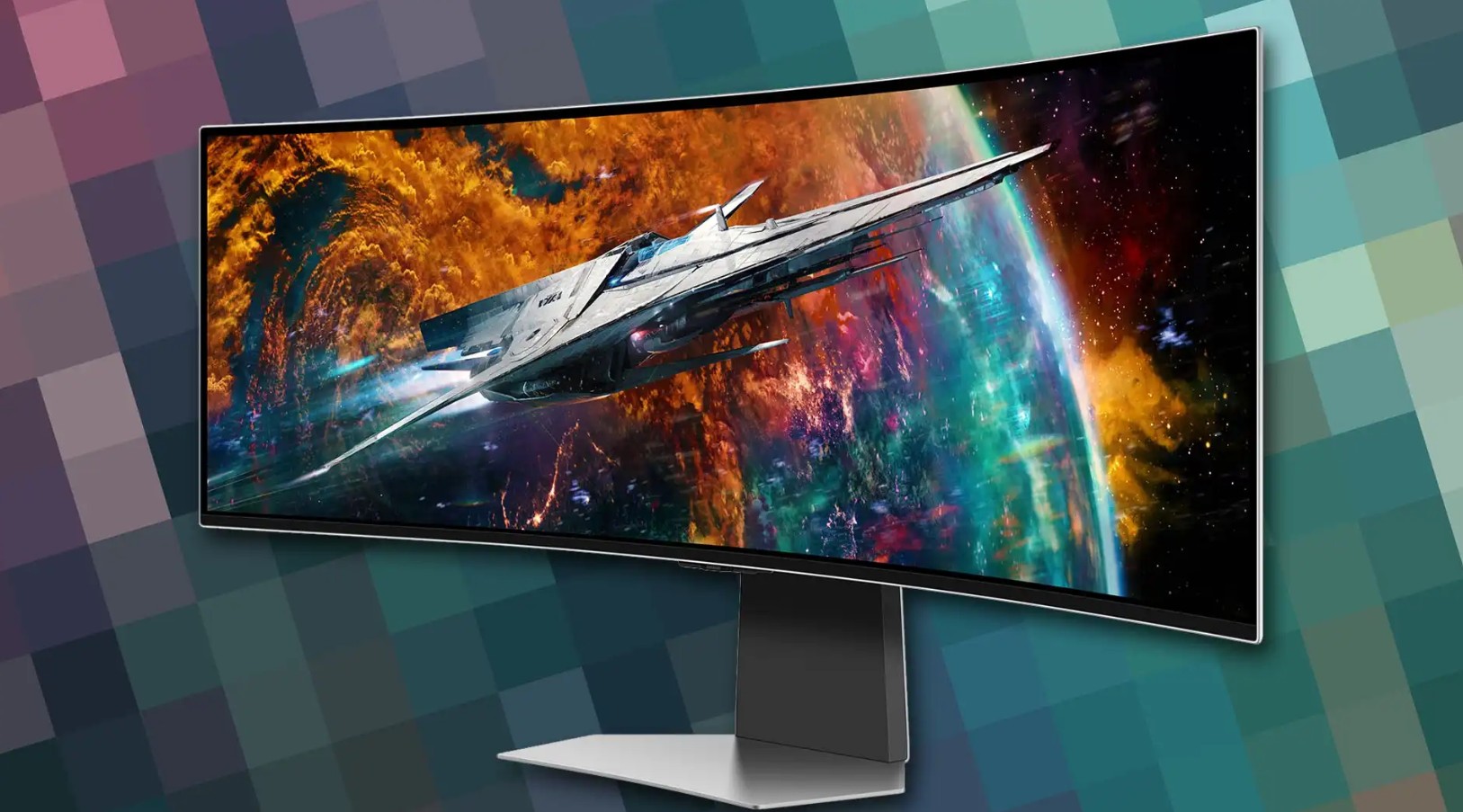
Additionally, a tandem OLED panel with DisplayHDR True Black 1400 certification is anticipated to be unveiled by Samsung Display shortly. Eventually, more items, including those made by Samsung Electronics, might incorporate that panel.
Read Also:
- A $16 billion headache awaits the guardians of Samsung’s Galaxy.
- Everybody is so freaked out over Microsoft’s revealed AI Windows. They are not supposed to be.
- Do you think you owned your PlayStation games? Think again.
- Looking to cancel PlayStation Plus? Sony could send you a proposition.
- Snapdragon, or Exynos? The Galaxy S27 Pro’s chipset could have been leaked.
About the Author