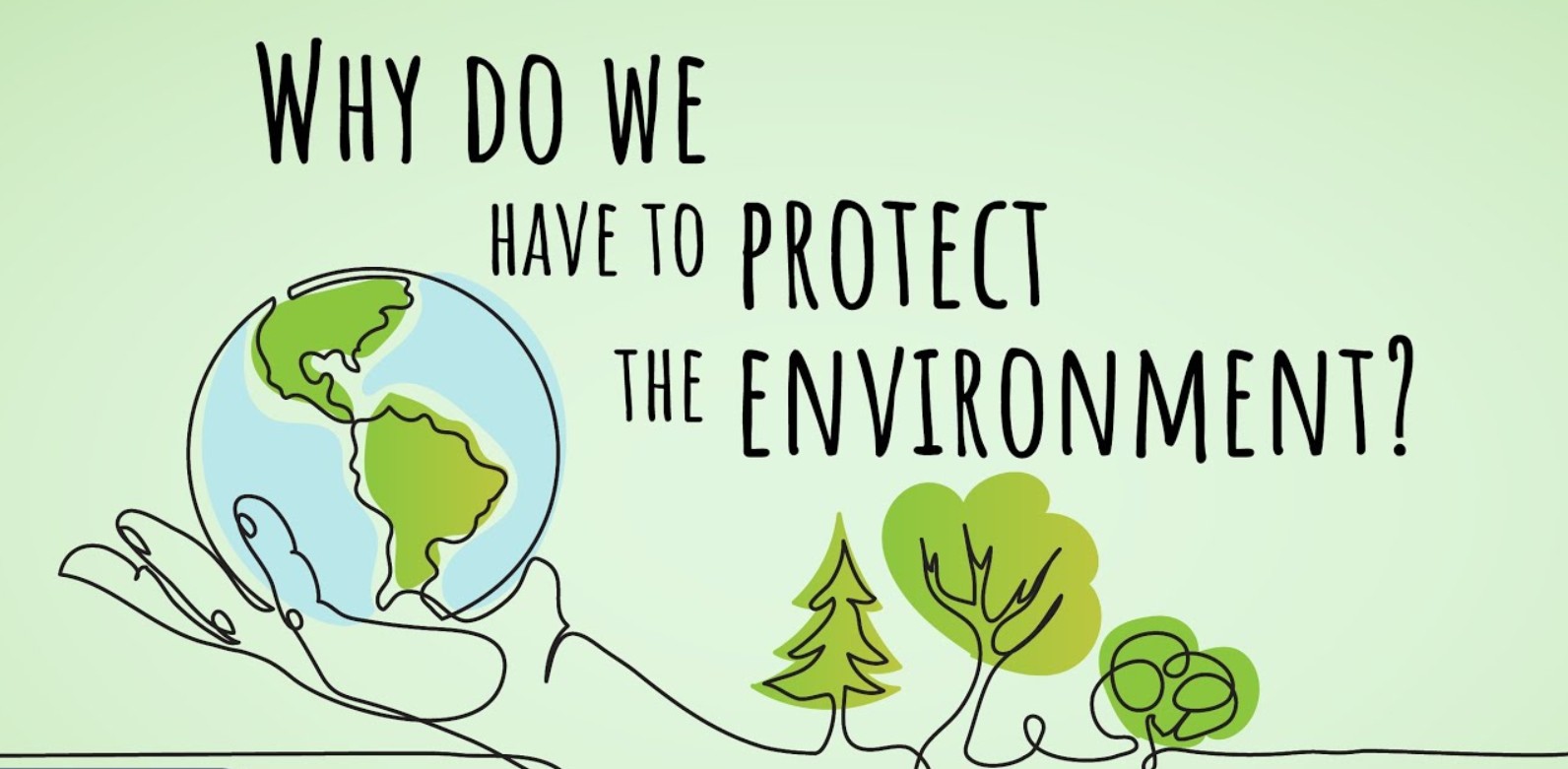
Taking steps to protect people and the environment does not mean giving up – By using new technologies and more environmentally friendly practices, the healthcare industry is leading the way in efforts to lessen its impact on the climate. In addition to lowering emissions, the goal is to simultaneously enhance patient care.
Every facet of human activity, from power generation and home heating to industrial transportation and agricultural, must take action to minimize harmful greenhouse gas emissions as a result of global climate obligations. This also applies to the healthcare industry, which is establishing guidelines and programs to reduce its carbon footprint and boost sustainability in several key areas.
The expansion of infectious diseases, heat-related disorders, emerging infections, and respiratory issues are among the conditions that could become more common as a result of climate change, which is expected to result in enormous health costs in the upcoming decades. If the healthcare industry were a nation, it would be among the top five largest pollutants due to its projected 5% worldwide emissions contribution.
As society’s knowledge of how human activity affects the climate continues to grow, better decisions may now be made to mitigate that influence.
The development of next-generation healthcare goods in particular has the potential to reduce emissions in a way that may not be on the public’s radar, and technology is playing a significant role in this effort to become greener.
Many people with lung conditions like COPD and asthma depend on inhalers to control their illness and alleviate their symptoms so they can live active, healthy lives. Metered dosage inhalers (MDIs) are one kind of inhaler that uses a propellant to deliver medication.
The global warming potential (GWP) of the propellant used in the majority of modern MDIs is many times higher than that of carbon dioxide.1 European legislation is gradually restricting the use of these gases in MDIs, and other nations are contemplating similar regulations, so manufacturers must consider this.
Although the use of MDIs varies by nation, the National Health Service (NHS) in the United Kingdom believes that they may be responsible for about 3% of the carbon footprint of healthcare. GSK, a pharmaceutical company, claims that MDIs account for about half of the company’s emissions.
Dry powder inhalers (DPIs), an alternative, are already on the market, propellant-free, and have a less carbon footprint than the majority of MDIs on the market today. Energy efficiency advancements and smart management systems provide a means of lowering power consumption, emissions, and expenses when it comes to cold storage technologies, which are crucial for medical supplies like vaccines.
Since supply chains are responsible for half of the emissions in the pharmaceutical and healthcare industries, policy changes in this area are crucial.
One of the top providers of cold storage systems in the world, GEA, has launched programs like waste-heat recovery, and twenty-four businesses in the health sector are currently sponsoring an education program that offers its suppliers free procurement assistance and education on renewable electricity.
Encouraging suppliers to take concrete steps toward reaching decarbonization targets is the aim. Taking steps to protect people and the environment does not mean giving up

The dividend of clean energy
Hospitals and other healthcare facilities contribute significantly to the sector’s carbon impact through direct emissions. Over one-third of all emissions associated with healthcare in the US are produced in hospitals.
Given that hospitals are frequently huge establishments with high 24-hour power consumption, this is not shocking.
Situated over the hospital parking lot, Nicosia Hospital, the biggest hospital on the island of Cyprus, recently opened a new solar park. During peak times, it will supply 1.3 megawatts of solar power.
Changes in behavior
Enabling patients to lower their carbon footprint can also result in significant emissions reductions, which will benefit society as a whole.
Reducing the number of needless journeys people make to hospitals, doctor’s offices, and other medical institutions will have a beneficial effect because transportation emissions are a persistent source of emissions. This is made feasible by encouraging the adoption of digital tools, which can cut down on pointless in-person consultations. The Covid epidemic demonstrated the potential benefits of remote labor, even in the healthcare industry.
Additionally, hospitals all over the world are working with local authorities and public transportation providers to provide non-emergency patients with greener options including bus and rail services.
In addition to cutting waste, digitalization and the move away from paper medical records maintain patient records more current and easily accessible. Patients and sustainability both benefit from that.
Reducing the incidence of diseases in the first place, especially through vaccination programs, can yield much greater advantages to society.

Together, in it
Since healthcare is only one part of society’s bigger emissions-generating machine, it is necessary for everyone to put forth effort in order to significantly reduce its carbon footprint through the use of innovative technologies and environmentally friendly practices. Failures elsewhere will erode and even nullify the gains made in healthcare if similarly ambitious policies and initiatives are not repeated in other sectors.
When accounting for decreased access to necessities like food security, clean air, safe drinking water, and sanitation, the World Bank projects that extra healthcare expenses resulting from climate change in low- and middle-income countries might surpass $21 trillion by 2050.5 In the end, healthcare will benefit more from effective climate change mitigation.
Healthcare organizations and institutions may prioritize patients and improve the environment at the same time if they work together.
GSK provided support to enable coverage of this subject, however The Brussels Times carried out all independent research and writing. Taking steps to protect people and the environment does not mean giving up
About the Author