NGOs warn that there is not much time left to safeguard US contraception kept in Belgium – Reproductive health organizations cautioned on Tuesday that if the remaining US-funded contraceptives kept in Belgium are not delivered immediately, an estimated 1.4 million women could lose access to contraception.
The Flemish center of competence on sexual health Sensoa is pressing Belgium and the European Union to take action before the supplies run out because only four truckloads of the initial stockpile are still usable.
Nearly a year has passed since the Trump administration stopped distributing contraceptives worth millions of dollars that were acquired through USAID, the US Agency for International Development, for family planning initiatives in Africa.
About 20 truckloads of contraceptives kept at Kallo (East Flanders) are no longer usable, according to Sensoa. Four truckloads that are still in storage in Geel (Antwerp) are still thought to be feasible, but they need to be moved quickly in order to get to their planned locations.
Uncertainty for months
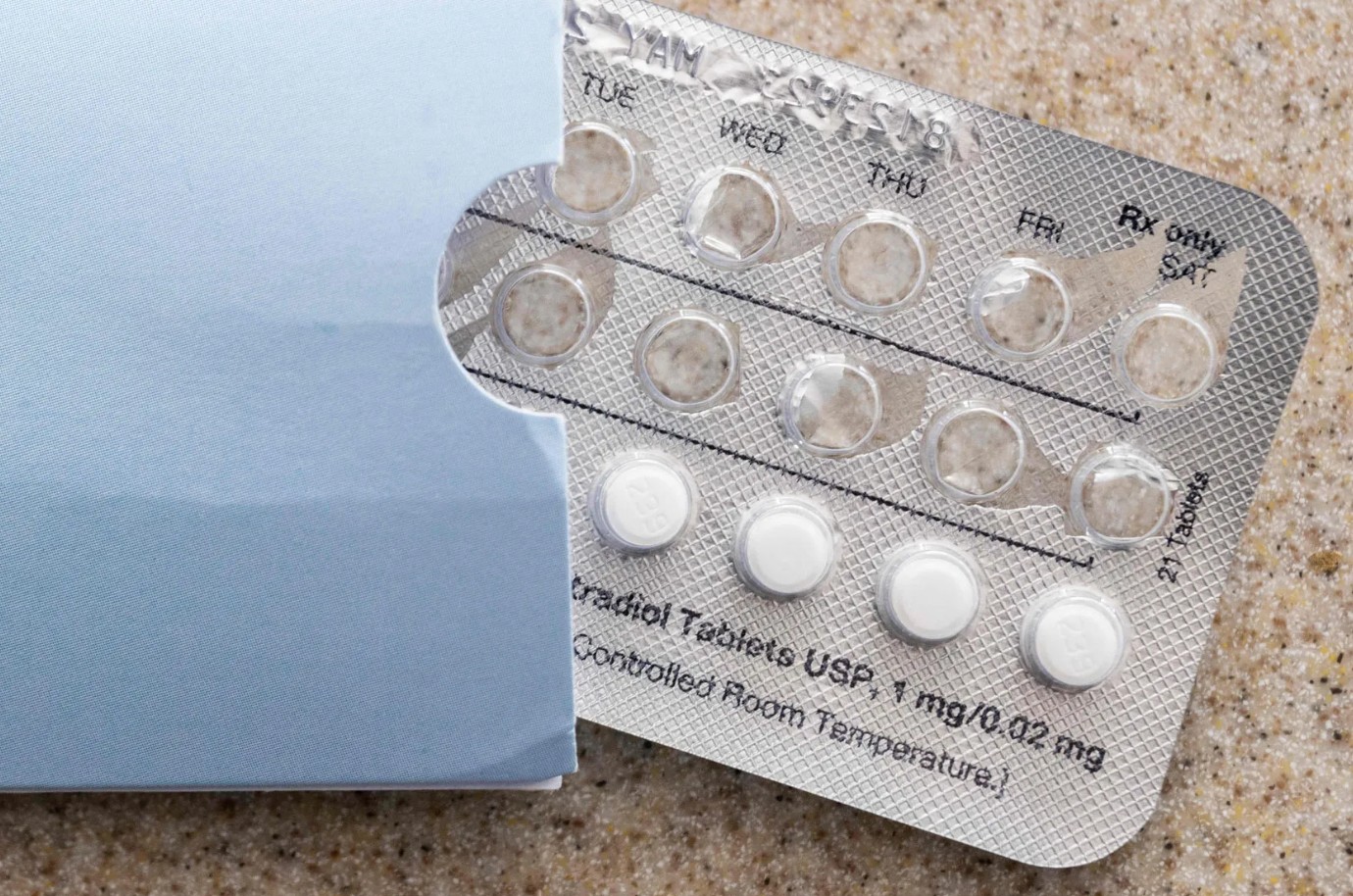
Long-acting contraceptives, such as intrauterine devices (IUDs), implants, injectable contraceptives, and pills containing levonorgestrel and ethinylestradiol, make up the majority of the shipment, which was originally intended for the Democratic Republic of the Congo, Kenya, Tanzania, Zambia, and Mali.
There are currently shortages of reproductive health items and humanitarian issues in a number of the targeted destination nations.
After months of uncertainty regarding the stockpile’s future, the most recent warning was issued.
After cutting foreign aid programs and eliminating a large portion of USAID, the Trump administration announced plans to eliminate the contraception earlier this year. Humanitarian organizations strongly protested Trump’s idea, stating that reusable medical equipment shouldn’t be destroyed while demand is still high. This led to legal battles and considerable criticism.
Despite claims from the White House to the contrary, Belgian authorities subsequently confirmed that the contraceptives had not been destroyed. The possibility of transferring the remaining supplies for humanitarian purposes has been discussed ever since.
Belgium proposed a few months ago to take over the remaining stockpile through a humanitarian organization and reroute the contraceptives to people in need, according to the office of Foreign Minister Maxime Prévot (Les Engagés). US authorities have not yet responded to the suggestion.The Brussels Times was informed by Prévot’s office that the United States now has complete control of the situation.Any advancement will be contingent upon an American decision.
Additionally, Sensoa and its partners cited recent findings from the USAID Office of Inspector General that indicate the US government is still spending about $24,000 (about €21,000) a month to store the contraceptives while negotiations are ongoing.
In addition to wasting US funds, the organizations contend that letting the remaining supplies expire would worsen the shortages of reproductive health supplies in the nations that were initially supposed to receive them.
The Reproductive Health Supplies Coalition estimates that 362,000 unwanted pregnancies, 161,000 unplanned births, and 110,000 unsafe abortions could result from not distributing the remaining contraceptives.
Sensoa contends that a larger change in US policy about sexual and reproductive health is reflected in the contraceptives’ extended storage.The organization claimed that women in the Global South and American taxpayers are suffering as a result of US government choices, saying, “This is a policy where women have no control over their bodies.”
The group is now urging Belgium and the EU to assist in reaching a deal that would permit the redistribution of the remaining contraceptives prior to their expiration. NGOs warn that there is not much time left to safeguard US contraception kept in Belgium.
Not going to squander
Prévot had already cautioned that redistribution becomes more challenging with each delay. He claimed that even while the expiration dates might seem far off, every day that goes by decreases the likelihood that those in need will receive the contraceptives.
According to the minister’s office, Belgium is still willing to assist in facilitating a humanitarian delivery of the contraceptives, but it emphasized that no further action can be performed without US clearance.According to their statement, “Belgium continues to believe that, whenever possible, usable supplies should be put to humanitarian use rather than go to waste.”
The ministry further stated that although Belgium has already made the required diplomatic efforts, it lacks the additional power to forward the process without Washington’s assistance.
The ministry stated that sexual and reproductive health is still a top objective of Belgian development cooperation policy, even if it acknowledged that neither Belgium nor the European Union could fully recover the cash lost after USAID programs were dismantled.
The United Nations Population Fund (UNFPA), its UNFPA Supplies program, and the World Health Organization’s Human Reproduction Program are just a few of the organizations that Prévot has chosen to continue sponsoring despite a 25% budget cut. NGOs warn that there is not much time left to safeguard US contraception kept in Belgium.
About the Author