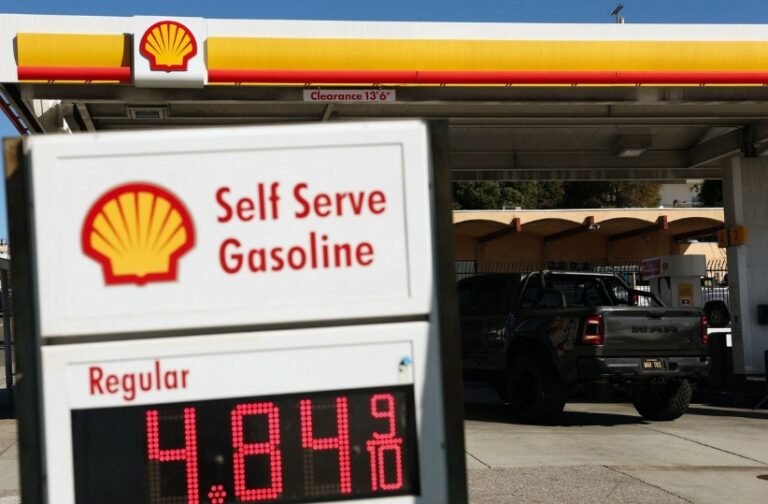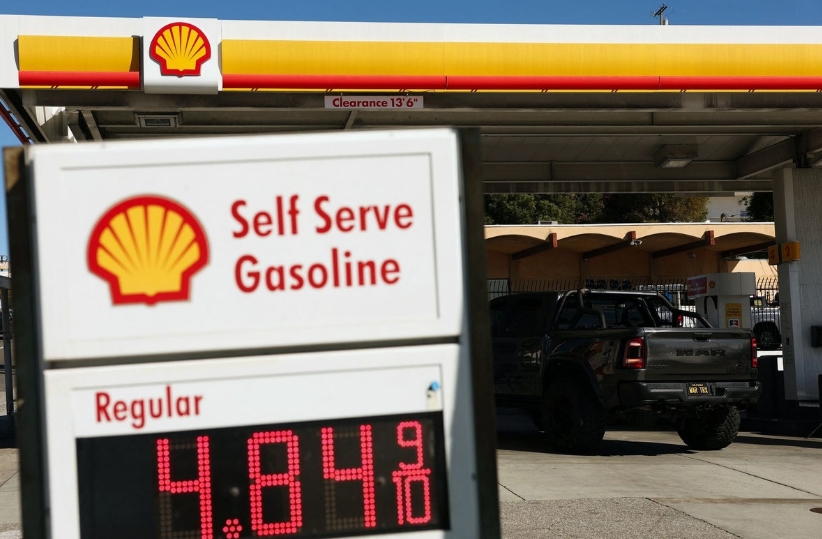
US gas prices hit highest level in 4 years amid Iran war – The cost of filling up a gas tank in the United States has soared to its highest level in four years, a strong and unexpected surge that underscores how profoundly global turmoil can ripple into everyday life. What might seem like a faraway geopolitical struggle—the ongoing battle with Iran—has suddenly transformed into something far more immediate for millions of Americans: rising prices at the pump, tighter household budgets, and increased economic worry. US gas prices hit highest level in 4 years amid Iran war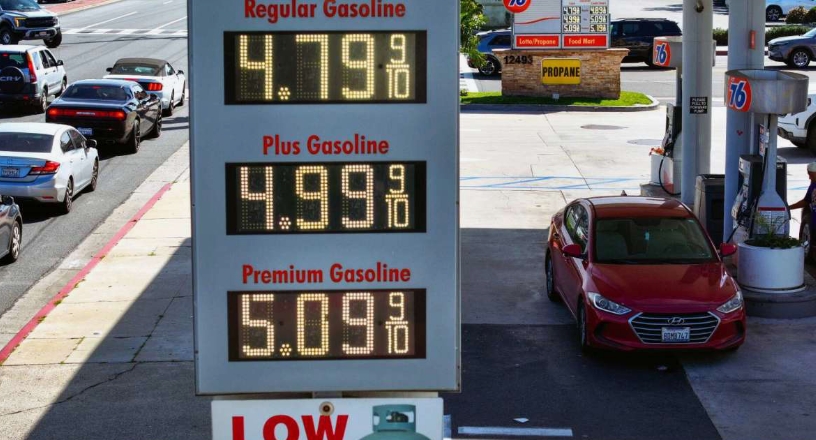
By late March and into April 2026, the national average price of gasoline in the US crossed the $4-per-gallon threshold, a level not seen since 2022 and essentially the highest in approximately four years. For many drivers, the increase felt abrupt. Just weeks previously, before the crisis erupted, prices were hovering closer to $3 per gallon. The rapid increase of almost $1.00/gallon highlights the vulnerability of energy markets to volatility, particularly when it impacts a crucial oil-producing region on a global scale.
A War That Disrupted the World’s Oil Lifeline
At the center of the surge sits a geopolitical choke point: the Strait of Hormuz. This tiny river is one of the most essential arteries for global oil transport, with around 20% of the world’s supply generally traveling through it. As tensions grew and military action mounted, shipping routes were disrupted, insurance premiums surged, and supply chains tightened virtually overnight.
The result was immediate. Oil prices increased globally, with benchmarks like Brent oil rising beyond $100 per barrel and, at times, much higher. Since gasoline prices are directly connected to crude oil costs—the key raw material—drivers in the US rapidly felt the impact.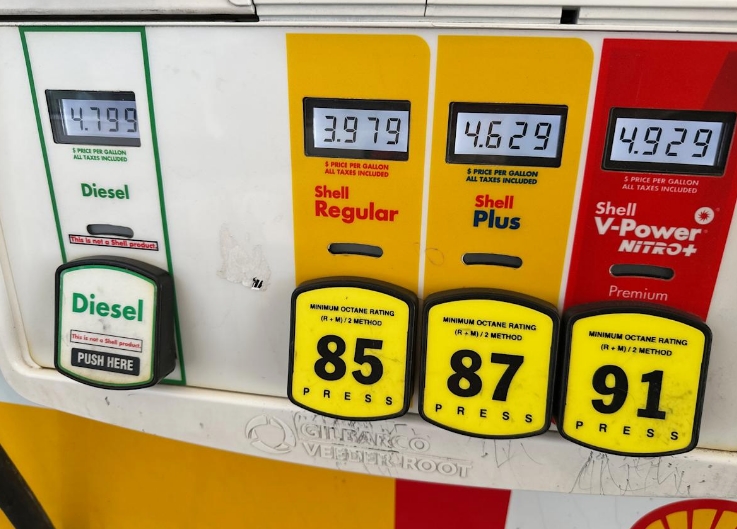
This isn’t the first time global tensions have shaken energy markets, but the volume and speed of the current increase have caught many off guard. Analysts note that even the idea of risk in such a critical region can send prices skyrocketing, as traders anticipate shortages and buy up futures contracts.
The Real Cost for Everyday Americans
For households across the country, the implications are clear. Filling up a regular 15-gallon tank now costs roughly $15 to $20 more than it did only a few weeks ago. For families already grappling with inflation in groceries, housing, and healthcare, the extra strain of increasing fuel expenses is stretching budgets even farther.
The pain is not distributed equally. Lower- and middle-income households—those who rely primarily on cars for commuting and daily errands—are hurt the hardest. Unlike wealthy consumers, they have less flexibility to absorb rising expenses or convert to alternatives like electric vehicles or remote work.
Businesses are feeling the burden as well. Transportation businesses, airlines, and delivery services suffer increasing fuel expenses, which sometimes get passed on to customers through increased prices. Airlines, for example, have already begun eliminating some flights and boosting rates as jet fuel costs grow.
A Broader Economic Ripple Effect
Gasoline prices don’t exist in isolation—they influence practically every corner of the economy. When fuel costs rise, so does the price of moving goods. That means food, online orders, and even construction materials become more expensive. US gas prices hit highest level in 4 years amid Iran war
Economists fear that persistent high energy prices could force inflation higher, hampering efforts by policymakers to stabilize the economy. There are clearly symptoms of strain: while consumer spending is reasonably steady, confidence levels are weak, showing a gap between economic activity and public opinion.
In practical terms, many Americans are altering their behavior. Some are driving less, combining errands into fewer trips, or deferring travel plans altogether. Others are cutting back in different areas—dining out less, deferring purchases, or reducing discretionary spending—to balance the growing cost of fuel.
Energy Companies Reap Windfall Profits
While customers struggle, energy businesses are experiencing a boom in earnings. Major oil businesses have announced huge earnings rises, driven largely by the spike in oil prices and increased trading activity. One big corporation, for example, reported profits more than double compared to the previous year, fuelled by volatility in global energy markets. This has renewed questions over whether oil corporations should suffer windfall taxes during periods of crisis, especially when their benefits are connected to geopolitical instability rather than greater productivity.
Critics claim that such earnings show an imbalance: while companies benefit from increased prices, ordinary consumers face the brunt of the costs. Supporters of the sector, however, claim that high costs are a natural byproduct of supply and demand, not corporate manipulation. US gas prices hit highest level in 4 years amid Iran war
Political Pressure and Public Frustration
Rising gas costs are not only an economic issue—they are a political one. Fuel costs are one of the most apparent markers of economic health, and surges typically lead to public discontent aimed at government leaders. Recent polling reveals that a significant number of Americans blame political decisions related to the conflict for the spike in prices. This puts further pressure on governments to find solutions, whether through diplomatic efforts to stabilize the area, releasing strategic oil reserves, or altering energy regulations at home.
However, possibilities are restricted. Energy markets are worldwide, and even large economies like the United States have only partial control over prices. While efforts like raising domestic output or removing specific restrictions can help at the edges, they are unlikely to totally balance the impact of a large geopolitical crisis.
What Comes Next?
The trajectory of gas prices will primarily depend on how the conflict progresses. If hostilities lessen and supply routes reopen, prices might stabilize or even decline. There have already been moments of cautious hope, with temporary cease-fire agreements resulting to minor drops in oil prices. US gas prices hit highest level in 4 years amid Iran war
But uncertainty is high. Any fresh escalation—or protracted disruption in key oil-producing regions—could push prices considerably higher. Some analysts warn that without a sustainable agreement, Americans may need to prepare for continued elevated fuel expenses.
A Reminder of Global Interdependence
Ultimately, the spike in US petrol prices serves as a sharp reminder of how interdependent the modern world is. A battle thousands of miles away may quickly transform the economic reality of everyday living, from the expense of a commute to the price of an airline ticket.
For now, drivers across the United States are stuck navigating a new normal—one where each trip to the gas station bears a bigger financial weight. And as long as geopolitical tensions continue to influence global energy supplies, that burden is unlikely to lift anytime soon. US gas prices hit highest level in 4 years amid Iran war
About the Author